-
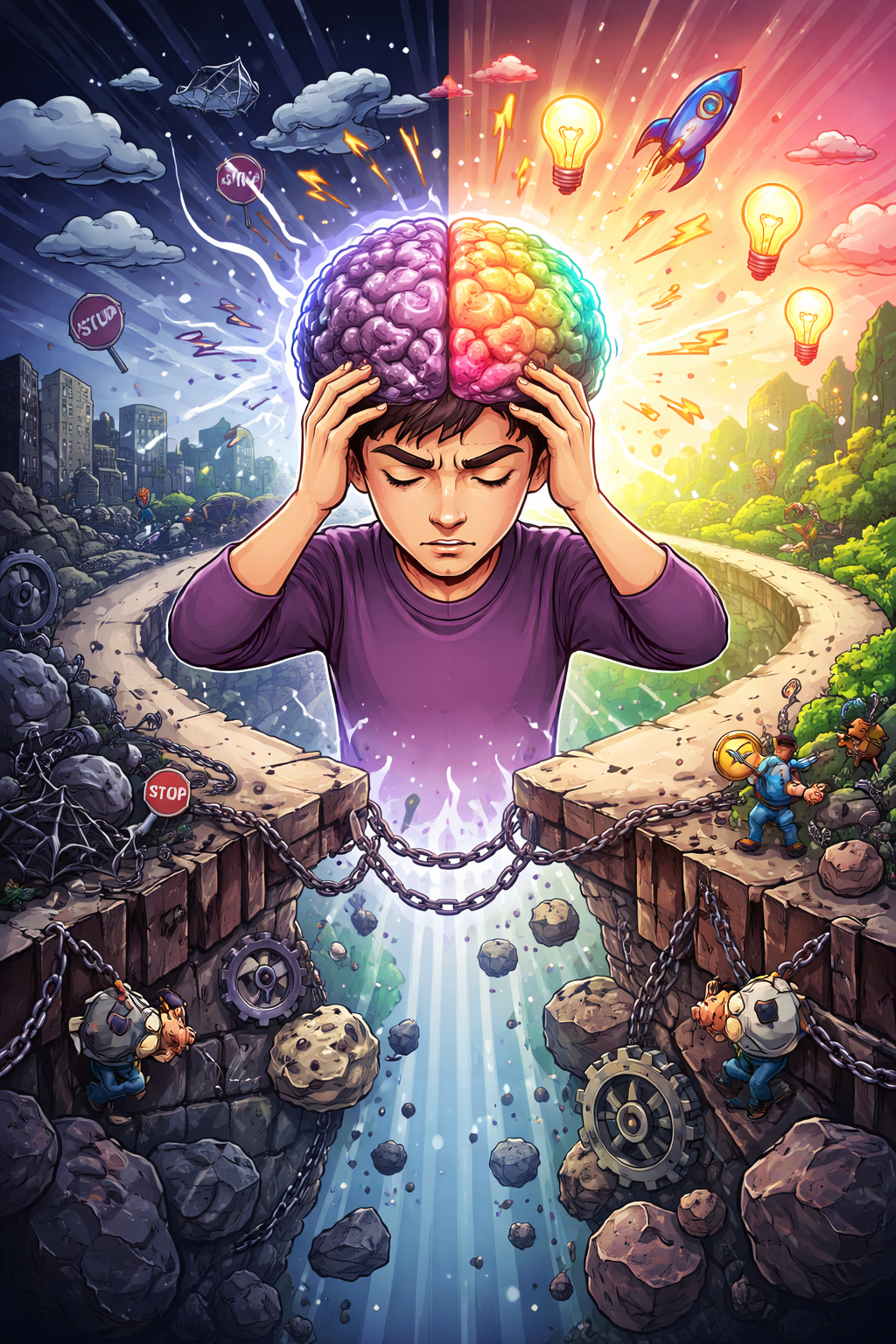
Why Thinking Differently Feels Unnatural: The Psychological Friction Your Brain Creates When You Start Changing
At the beginning of real change, the most surprising feeling is not excitement—it’s resistance. Many people expect transformation to feel empowering right away, but instead they experience hesitation, doubt, or even internal tension. This is often why thinking differently feels unnatural at first. Your mind has spent years reinforcing familiar patterns, so when you introduce…
-

How Mindset Changes Show Up Subtly: Why You Don’t Notice Growth Until You Realize You’ve Outgrown Your Old Self
Growth rarely announces itself. It doesn’t always arrive with dramatic breakthroughs or obvious turning points. More often, how mindset changes show up subtly is through small shifts in reaction, quieter self-talk, or the decisions you make when no one is watching. You might not notice it immediately, but the way you respond to stress, criticism,…
-

Why Changing Beliefs Takes Longer Than Expected: The Hidden Psychological Resistance Quietly Slowing Your Growth
You can decide to think differently today and still find yourself reacting the same way tomorrow. That gap is exactly why changing beliefs takes longer than expected. Beliefs are not just thoughts you casually agree with; they are interpretations wired through repetition, emotion, and identity. When people ask how long it takes to change beliefs,…
-

Fixed Mindset Habits: The Hidden Thought Patterns Quietly Blocking Your Growth
Growth is rarely blocked by lack of opportunity—it is often blocked by repetition of thought. Many people unknowingly operate through fixed mindset habits, subtle internal scripts that shape how they respond to challenges, feedback, and failure. These patterns are not loud or dramatic. They appear in everyday reactions: avoiding risks, dismissing effort, or interpreting setbacks…
-

Why Awareness Doesn’t Change Behavior: The Hidden Psychological Gap Between Knowing and Doing
You can know exactly what to do and still not do it. You can read the books, understand the science, even explain the strategy to someone else—yet remain stuck in the same patterns. This is the uncomfortable truth behind why awareness doesn’t change behavior. Information alone rarely transforms action. In fact, in the tension between…
-

Habit Tracking Benefits and Drawbacks: The Hidden Psychological Impact of Counting Every Day
There’s something deeply satisfying about marking a box at the end of the day. One checkmark feels small, but a chain of them feels powerful. Yet beneath that simple act lies a complex mental dynamic. Exploring the habit tracking benefits and drawbacks reveals that counting progress is never just about productivity—it’s about identity, motivation, and…
-

5 Reasons Why Habits Fail After One Week: The Psychological Trap That Quietly Kills Your Momentum
The first week of a new habit often feels powerful. You’re energized, focused, and convinced this time will be different. Then something shifts. The excitement softens, resistance creeps in, and suddenly you’re questioning your consistency. This is the uncomfortable reality behind why habits fail after one week. It’s not usually laziness or lack of discipline—it’s…
-

How Long Habits Take to Become Automatic: The Psychological Timeline Behind When Change Finally Feels Effortless
At some point in every habit journey, you ask the same quiet question: When will this feel easier? We often search for exact timelines, wondering how long habits take to become automatic and when the effort will finally fade. The truth is more nuanced than a fixed number of days. Change doesn’t shift from hard…
Looking for something?
Latest Articles
- Why Thinking Differently Feels Unnatural: The Psychological Friction Your Brain Creates When You Start Changing

- How Mindset Changes Show Up Subtly: Why You Don’t Notice Growth Until You Realize You’ve Outgrown Your Old Self

- Why Changing Beliefs Takes Longer Than Expected: The Hidden Psychological Resistance Quietly Slowing Your Growth

- Fixed Mindset Habits: The Hidden Thought Patterns Quietly Blocking Your Growth

- Why Awareness Doesn’t Change Behavior: The Hidden Psychological Gap Between Knowing and Doing

Follow Us
Advertisement