Understanding the Law of Attraction
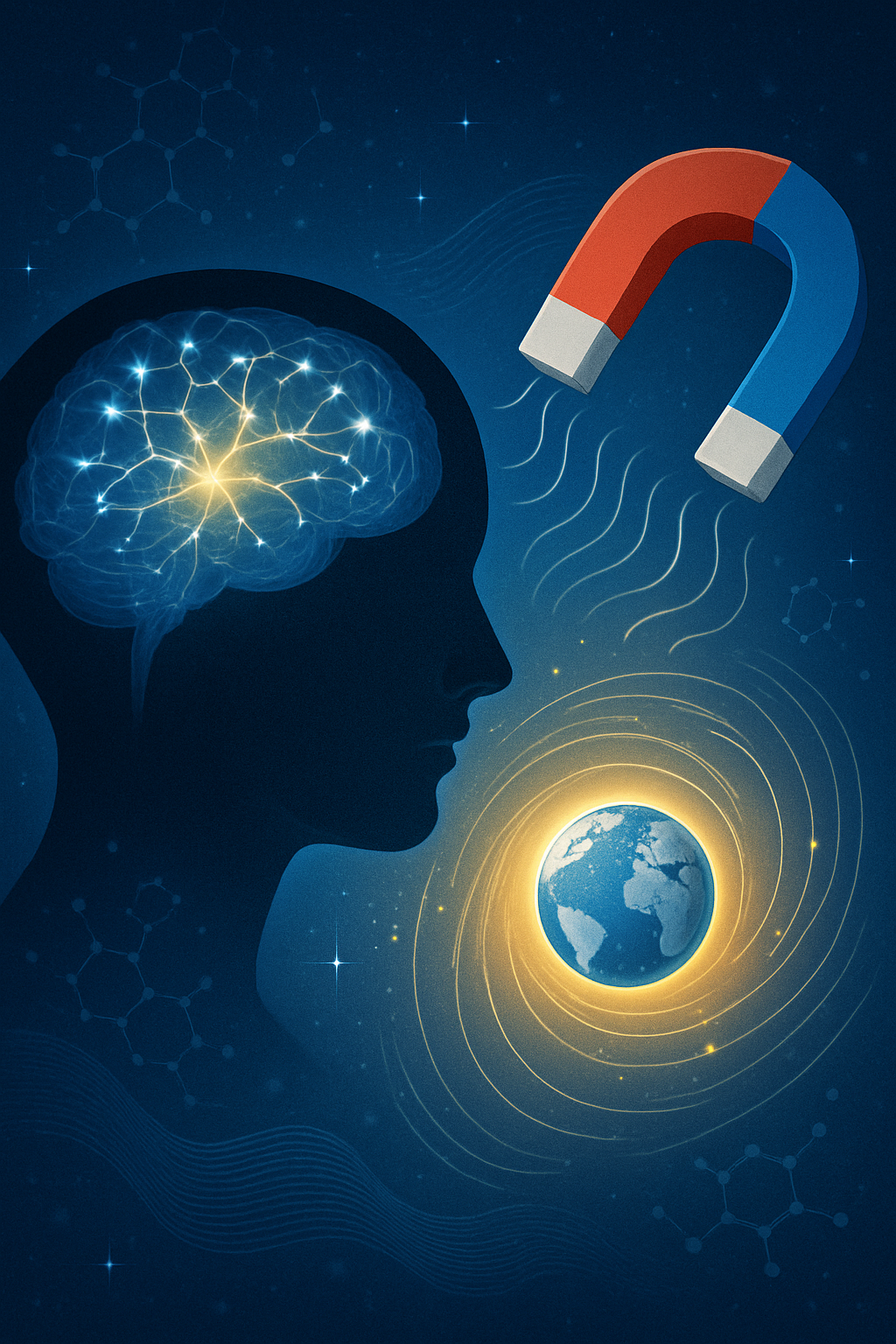
The Law of Attraction is a popular concept that suggests our thoughts, beliefs, and emotions can influence the events and circumstances of our lives. Advocates claim that by focusing on positive intentions, individuals can attract success, health, and happiness. But does this idea hold any scientific merit? In this article, we will explore the law of attraction science, drawing from psychology, neuroscience, and even physics to uncover what is fact and what is fiction.
While there is no scientific evidence that thoughts alone can directly alter external events, research in psychology does support the idea that beliefs and expectations strongly influence behavior and perception. Cognitive psychology shows that when people adopt a positive or goal-oriented mindset, they are more likely to notice opportunities, persist through challenges, and engage in behaviors that increase the likelihood of success. In this sense, the law of attraction aligns closely with how motivation, attention, and self-belief shape real-world outcomes.
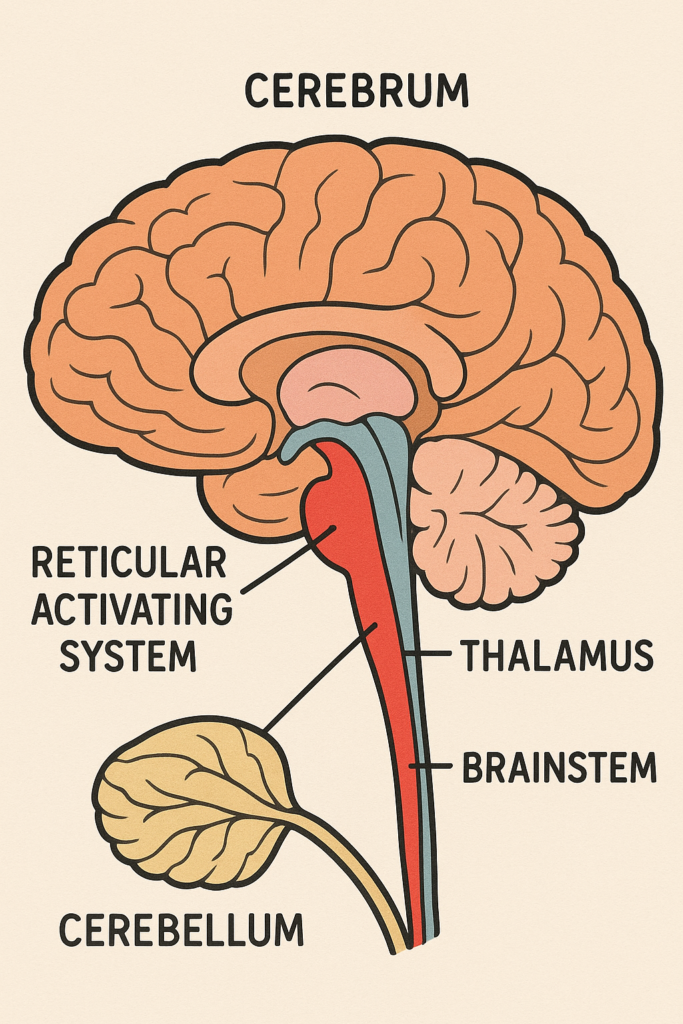
Neuroscience also provides insight into why the law of attraction feels effective for many people. The brain’s Reticular Activating System (RAS) acts as a filter, prioritizing information that aligns with our dominant thoughts and goals. When individuals focus consistently on certain outcomes, their brains become more attuned to relevant cues in their environment, making opportunities appear more frequent. While this is not proof of energetic attraction, it does explain how focused intention can influence awareness, decision-making, and behavior in measurable ways.
The Origins of the Law of Attraction
Ancient Philosophical Roots
The idea of manifestation is not new. Ancient traditions such as Hinduism, Buddhism, and Stoicism emphasized the power of the mind in shaping reality. These philosophies taught that focusing on inner peace and clarity could change how individuals experienced the world around them.
Modern Popularization in Self-Help
The modern law of attraction gained popularity through books like The Secret and the self-help movement of the 20th century. These works claimed that success could be achieved by visualizing goals and maintaining a positive outlook.
The Core Principle: Like Attracts Like

How Thoughts Influence Emotions and Actions
At the heart of the law of attraction is the idea that like attracts like. Positive thoughts lead to positive emotions, which influence behavior. Over time, this can create opportunities and results that align with the initial intention.
Visualization, Affirmations, and Belief Systems
Visualization exercises and affirmations are commonly used to reinforce beliefs. Neuroscience has shown that mental rehearsal activates similar brain regions as real experiences, making it a powerful tool for preparing the mind for success.
Does Law of Attraction Work?
Psychological Explanations for Manifestation
From a psychological standpoint, the law of attraction may work because it shifts attention and energy towards achievable goals. By maintaining focus, individuals are more likely to notice opportunities and take actions that lead to success.
Evidence for Manifestation in Daily Life
Many people report experiencing manifestation in small ways—like thinking of someone before they call, or visualizing a goal before achieving it. While anecdotal, these experiences highlight the mind’s role in shaping perception and action.
The Role of the Reticular Activating System (RAS)
How the Brain Filters Focus and Perception
The Reticular Activating System (RAS) is a network of neurons in the brainstem responsible for filtering sensory information. It acts like a spotlight, bringing certain stimuli into focus while ignoring others. When you set an intention, your RAS helps you notice opportunities aligned with that intention.
Training the RAS Through Intention and Awareness
By consciously setting goals and repeating affirmations, individuals can train their RAS to highlight relevant opportunities. This neurological explanation provides a scientific basis for some aspects of manifestation.
Placebo Effect and the Power of Mindset

Neuroscience of Expectation
The placebo effect demonstrates how belief can influence real outcomes. Patients who believe they are receiving treatment often show improvement, even when given a sugar pill. This highlights the profound impact of mindset on physical and emotional states.
Case Studies Linking Belief to Outcomes
Studies in medicine and psychology consistently show that expectation and belief can enhance performance, reduce pain, and improve recovery. This aligns with the law of attraction’s emphasis on positive belief.
Quantum Physics and Manifestation
Misinterpretations of Quantum Theory
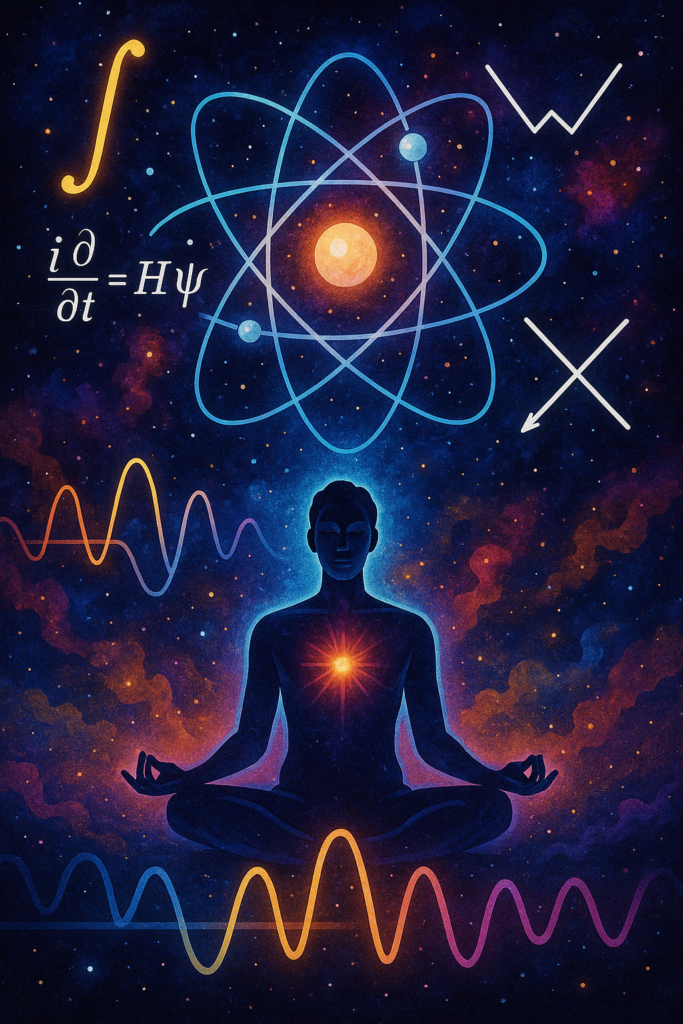
Many proponents of the law of attraction cite quantum physics, claiming that thoughts emit vibrations that shape reality. However, scientists caution against misinterpreting quantum theory, which operates at the subatomic level and doesn’t directly explain human consciousness or thought.
Scientific Perspectives on Energy and Probability
While quantum physics doesn’t prove manifestation, it does highlight the role of probability and interconnectedness in the universe. These ideas inspire philosophical interpretations that resonate with the law of attraction.
The Science of Positive Psychology and Attraction

Gratitude, Optimism, and Cognitive Reframing
Positive psychology emphasizes gratitude, optimism, and reframing negative thoughts. Research shows that people who practice gratitude experience better mental health, improved relationships, and higher levels of success.
Neuroplasticity and Thought Patterns
Neuroplasticity, the brain’s ability to rewire itself, supports the idea that repeated positive thinking can reshape neural pathways. Over time, this fosters habits and behaviors aligned with desired outcomes.
Skepticism and Criticisms of Law of Attraction
Lack of Empirical Scientific Evidence
Despite its popularity, the law of attraction lacks rigorous scientific validation. Critics argue that its claims are too vague and rely heavily on anecdotal evidence.
The Danger of Magical Thinking
Excessive belief in manifestation can lead to magical thinking, where individuals expect outcomes without taking action. This can result in frustration, disillusionment, or neglecting practical problem-solving.
Bridging Science and Spirituality
Mind-Body Connection and Holistic Approaches
The mind-body connection demonstrates how thoughts influence health and wellbeing. Practices like meditation, yoga, and mindfulness integrate both scientific and spiritual principles, aligning well with the law of attraction.
Practical Applications Without Dogma
Even without spiritual beliefs, practical techniques like goal-setting, affirmations, and visualization can help individuals achieve results. These methods work through psychology and neuroscience rather than mystical forces.
Real-Life Examples of Manifestation Practices
Success Stories and Testimonials
Countless individuals share stories of achieving goals through manifestation practices. While subjective, these stories highlight the motivational power of belief.
Evidence-Based Productivity and Goal Setting
When combined with evidence-based goal-setting strategies, manifestation techniques can enhance productivity. Breaking goals into actionable steps ensures progress while maintaining a positive outlook.
How to Practice Law of Attraction Scientifically
Steps to Align Beliefs with Actions
1. Define clear and achievable goals.
2. Use visualization and affirmations to reinforce focus.
3. Take consistent actions toward goals.
4. Reflect and adjust strategies as needed.
Tracking Progress and Measuring Outcomes
Journaling and progress tracking help measure whether manifestation techniques are effective. This transforms abstract ideas into tangible outcomes.
FAQs About the Science of Law of Attraction
Q1: Does the law of attraction have scientific proof?
While no direct scientific proof exists, psychological and neurological research supports aspects of it.
Q2: Can manifestation replace hard work?
No. The law of attraction works best when paired with consistent action.
Q3: What role does the Reticular Activating System play?
The RAS helps filter information and align focus with goals, making opportunities more noticeable.
Q4: Is the law of attraction just positive thinking?
It goes beyond optimism by combining belief, focus, and intentional action.
Q5: Can the placebo effect explain manifestation?
Yes, mindset and belief significantly influence real-world outcomes.
Q6: How can I apply the law of attraction practically?
Set clear goals, visualize them daily, take actionable steps, and remain persistent.
Conclusion: A Balanced View of Manifestation
The law of attraction remains a fascinating concept that bridges science, psychology, and spirituality. While it lacks definitive scientific proof, elements like the placebo effect, the Reticular Activating System, and neuroplasticity provide a rational basis for how it may influence outcomes. Ultimately, manifestation works best when paired with practical action, positive psychology, and mindfulness practices.
For further research, visit: https://www.psychologytoday.com/
Beyond its self-help popularity, the Law of Attraction has entered mainstream discussions about wellness, productivity, and even leadership. Many personal development coaches advocate it as a framework for aligning one’s mindset with long-term goals. While critics dismiss it as pseudoscience, its persistence across cultures suggests there may be psychological mechanisms at play that deserve serious consideration.
Quantum Physics and Manifestation (Extended)
One of the most controversial aspects of the law of attraction is its association with quantum physics. Advocates often claim that thoughts produce measurable energy frequencies that interact with the universe. While this makes for an inspiring narrative, mainstream science does not currently support this idea. Instead, what we know is that human consciousness remains one of the greatest mysteries of science, and researchers continue exploring how our perceptions shape our reality.
Interestingly, some scientific experiments, such as the observer effect in quantum mechanics, do highlight how measurement changes outcomes at the subatomic level. However, extending this to human thought directly influencing reality is speculative. A more grounded perspective is that the metaphor of quantum uncertainty can help individuals embrace flexibility and openness when pursuing their goals.
Positive Psychology in Practice
Positive psychology, founded by Martin Seligman, provides a scientific framework for understanding why optimism and gratitude improve life satisfaction. Instead of focusing only on fixing problems, it emphasizes building strengths and cultivating positive experiences. In this sense, the law of attraction aligns with evidence-based practices that boost mental resilience.
For example, keeping a gratitude journal has been shown to reduce stress and increase overall happiness. Similarly, visualizing success before a task can prime the brain to perform better. These practices may not literally attract external circumstances through invisible forces, but they create a psychological environment that improves the likelihood of success.
Real-Life Applications of Manifestation in Professional Settings
Corporate leaders, athletes, and artists frequently use visualization techniques to achieve peak performance. Olympic athletes, for instance, mentally rehearse their routines before competitions, activating the same neural pathways as physical practice. This demonstrates how belief and focus enhance measurable performance outcomes.
In business, vision boards and strategic affirmations are used to keep teams aligned with shared goals. These tools may not ‘attract’ success in a mystical sense, but they provide clarity, motivation, and a sense of direction that translates into tangible results.
In conclusion, the law of attraction may not be a scientific law in the strict sense, but its principles find resonance in psychology, neuroscience, and motivational science. Whether through the placebo effect, the RAS, or positive psychology, there is no denying that mindset shapes outcomes. The most effective approach is a balanced one—using the motivational power of belief while backing it with consistent effort, resilience, and evidence-based practices. In this way, the science behind the law of attraction becomes less about mysticism and more about empowering individuals to take control of their destiny.
A Deeper Look at Skepticism
Skeptics often argue that the law of attraction thrives because of confirmation bias—the tendency to notice and remember events that support our beliefs while ignoring those that contradict them. For example, if someone visualizes getting a new job and later receives an interview call, they may attribute it to manifestation while ignoring the role of their qualifications, networking, or job applications. This selective perception fuels the belief that manifestation works even when other variables are at play.
Furthermore, critics warn that blind faith in the law of attraction can create false hope. If individuals believe they can think their way out of financial debt or serious illness without taking practical steps, they may delay seeking professional help. This is where responsible teaching of manifestation becomes crucial: it should empower, not mislead.
The Placebo Effect Beyond Medicine
While the placebo effect is well-documented in medical settings, its influence extends to other areas of life. Students who believe they are well-prepared for exams often perform better due to reduced anxiety and heightened focus. Athletes who trust in their training techniques show improved results, even when the actual methods are not objectively superior. These examples suggest that belief itself is a performance enhancer, echoing the principles of the law of attraction.
Researchers in psychology also explore the concept of ‘expectancy theory,’ which explains how expectations drive behavior. When individuals expect positive outcomes, they are more likely to engage in actions that make those outcomes a reality. This creates a feedback loop where belief and action reinforce one another.
Practical Daily Exercises for Applying the Law of Attraction
To make the law of attraction more actionable, individuals can adopt structured daily exercises. One effective method is the ‘369 manifestation technique,’ where a person writes down their intention three times in the morning, six times during the day, and nine times before bed. This repetition strengthens focus and keeps goals top of mind.
Another strategy is mindfulness meditation. By quieting the mind, individuals can become more aware of their thought patterns and redirect negative thinking toward constructive intentions. Journaling is also powerful—it not only records progress but also serves as evidence of small manifestations building toward larger goals.
Importantly, these exercises should be paired with practical planning. For example, someone manifesting financial success should also create a budget, develop new skills, and explore income opportunities. The combination of mindset and action creates a balanced pathway to achievement.
Law of Attraction in Relationships and Wellbeing
Beyond professional success, the law of attraction is frequently applied in the areas of relationships and health. People who practice self-love and positive affirmations often report improved romantic relationships, as they project confidence and attract partners aligned with their values. Similarly, individuals who maintain a positive outlook during recovery from illness often experience faster healing, partly due to reduced stress and improved immune function. In terms of wellbeing, manifestation aligns with lifestyle choices that enhance quality of life. Visualization of a healthy body, combined with nutrition and exercise, reinforces positive behaviors. The key takeaway is that attraction works synergistically with consistent habits that support long-term health and happiness.
Leave a Reply