
The Hidden Link Between Beliefs and Manifestation
When people set intentions but experience little visible change, they often conclude that manifestation “doesn’t work.” In most cases, the real issue lies in deeply rooted belief systems. Beliefs shape perception, influence decision-making, and guide behavior, often without conscious awareness. When internal beliefs contradict external goals, progress becomes inconsistent or stalled. Understanding the connection between limiting beliefs and manifestation is essential for creating lasting change.
This article examines how belief systems and reality are interconnected, explains how reshaping beliefs can reshape life outcomes, and provides practical strategies for identifying, challenging, and replacing internal patterns that prevent intentional growth and aligned action.
Belief Systems and Reality: The Foundation of Your Worldview
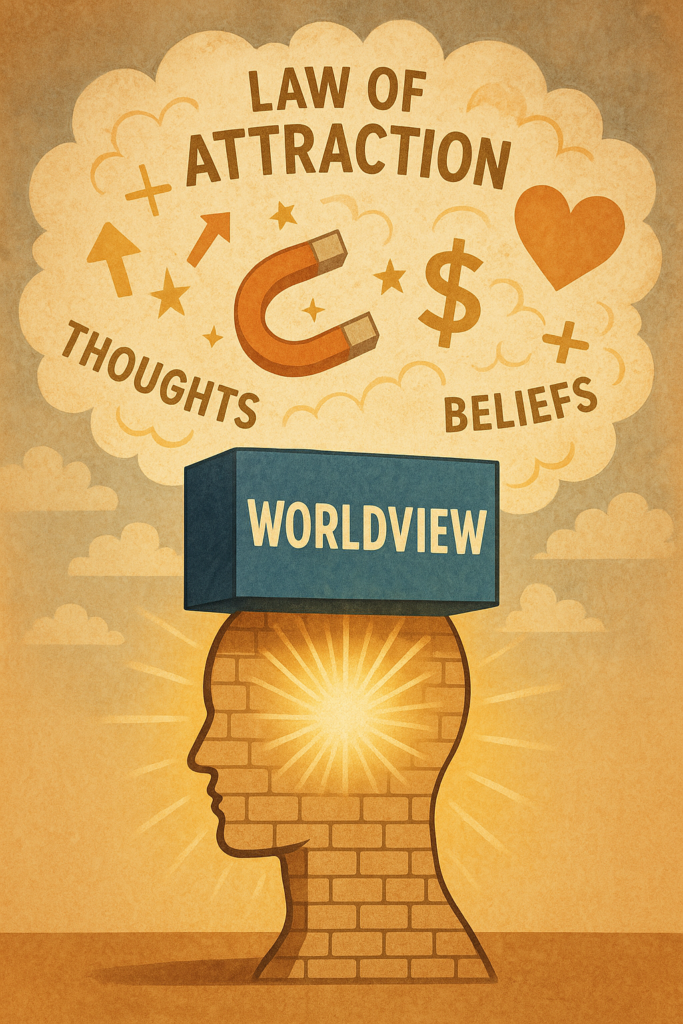
Your belief system functions like an internal operating system, shaping which opportunities you notice and which possibilities you unconsciously dismiss. If you believe, for example, that “money is hard to earn,” you may overlook chances to grow wealth because your mind filters information to match that assumption. This is why belief systems and reality are deeply connected—your thoughts don’t merely interpret the world, they actively influence how you engage with it.
Manifestation works by aligning inner conviction with outer action, but when beliefs contradict goals, hesitation, avoidance, or self-sabotage can slow progress. Shifting those beliefs allows perception and behavior to work together, creating conditions where new outcomes become possible.
When beliefs shift, behavior follows more easily and consistently. Instead of forcing action through willpower alone, aligned beliefs make progress feel natural rather than resistant. You begin to recognize opportunities with less effort, respond with greater confidence, and persist through challenges without excessive doubt. This alignment reduces internal friction, allowing intention, perception, and action to reinforce one another—an essential condition for meaningful and sustainable manifestation.
Limiting Beliefs and Manifestation: Why You Stay Stuck
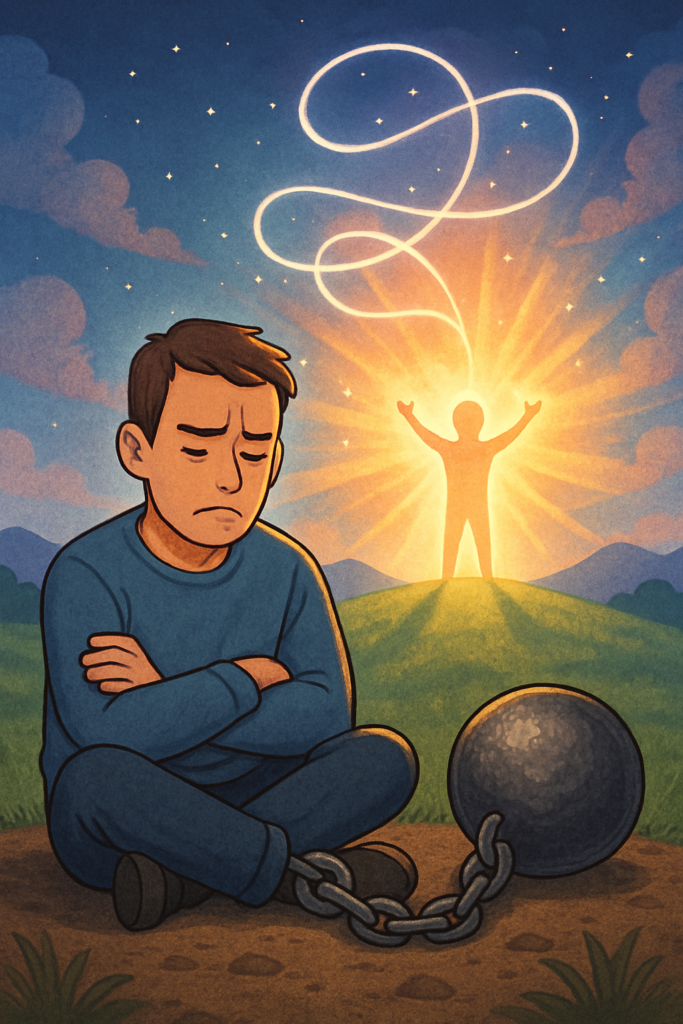
Limiting beliefs are silent barriers that quietly sabotage progress, often operating beneath conscious awareness. They tend to surface as familiar inner phrases like, “I’m not good enough,” “Success isn’t meant for people like me,” or “I’ll fail if I try.” Many of these beliefs take root in childhood through repeated experiences, authority figures, or emotional moments, eventually solidifying into internal rules about what feels possible or safe. Over time, they become invisible scripts that influence choices, behaviors, and self-expectations in adulthood without being questioned.
The link between limiting beliefs and manifestation is direct and unavoidable. No matter how often you visualize, affirm, or set intentions, progress will feel blocked if your identity contradicts what you desire. When a goal challenges a deeply held belief, the mind often responds with hesitation, avoidance, or self-sabotage to maintain internal consistency. True manifestation requires alignment between intention and identity, which is why addressing limiting beliefs is not optional—it is the foundation for turning desire into achievable outcomes.
Subconscious Beliefs Manifestation: The Power Beneath Awareness

Most beliefs operate below conscious awareness, quietly influencing behavior without being questioned. You might consciously say, “I want abundance,” while subconsciously fearing responsibility, visibility, or failure. This inner contradiction creates resistance, often experienced as procrastination, self-doubt, or stalled progress. These internal conflicts are common mindset blocks that prevent intention from translating into action. Because the subconscious mind drives the majority of automatic decisions and emotional responses, unresolved beliefs continue to shape outcomes even when conscious goals feel clear.
This is why identity shift manifestation is so powerful—it addresses change at the level where behavior originates. Real transformation occurs when hidden beliefs are brought into awareness and deliberately reshaped, allowing actions to feel aligned rather than forced. As old mindset blocks dissolve, a new self-concept begins to take form, one that supports growth instead of resisting it. Through consistent reflection and intentional practice, identity shift manifestation helps align subconscious patterns with conscious goals, creating the internal coherence necessary for lasting change.
Mindset Blocks That Derail Progress
Mindset blocks are the practical expression of limiting beliefs. They show up as procrastination, fear of failure, perfectionism, or self‑sabotage. These blocks explain why talented people remain stuck despite working hard. Manifestation requires you to notice when limiting thought patterns appear and consciously choose new responses instead of old habits.
Identity Shift Manifestation: Becoming the Person Who Has What You Want

One of the fastest ways to dissolve limiting beliefs is to shift your identity rather than fixating solely on outcomes. When change is approached only from the perspective of results, progress often feels forced or fragile. Identity-based change works differently—it focuses on who you are becoming instead of what you are trying to get. This is the core of identity shift manifestation: aligning your self-concept with the reality you want to experience, so actions flow more naturally and consistently.
For example, instead of repeatedly saying, “I want to run a marathon,” you adopt the identity, “I am a disciplined athlete.” That shift changes daily behavior almost automatically—you prioritize training, recovery, and nutrition because they now match who you believe yourself to be. Each aligned action reinforces the identity, and that identity, in turn, rewires underlying beliefs. Over time, identity shift manifestation creates a feedback loop where belief drives action and action strengthens belief, making transformation sustainable rather than dependent on motivation alone.
How to Change Beliefs to Change Life
If beliefs shape reality, then upgrading beliefs is the fastest way to change life. Here are practical steps:
- Identify limiting beliefs by journaling repeated negative thoughts.
- Challenge them by asking, “Is this absolutely true?”
- Replace them with empowering statements that align with your goals.
- Reinforce new beliefs with small, consistent actions.
- Surround yourself with people and environments that reflect the reality you want.
This is the essence of change beliefs to change life: reprogramming your mental “software” so your external reality can update.
Case Study #1: Breaking Free from Financial Scarcity
Maria grew up hearing, “Money doesn’t grow on trees.” As an adult, she earned enough but always felt broke. Through coaching, she realized her subconscious beliefs manifestation pattern kept her anxious. She practiced gratitude, reframed her money story, and started a side business. Within a year, she not only increased income but also felt financially secure for the first time. Her success shows how belief systems and reality interact directly.
Case Study #2: Identity Shift for Health
Darren wanted to lose weight but kept sabotaging himself. He believed, “I’ll never be athletic.” Once he adopted identity shift manifestation, things changed. He began saying, “I am someone who takes care of his body,” and proved it with small habits like walking daily and cooking balanced meals. His belief shift transformed his choices, and he lost 40 pounds in a year.
Case Study #3: Overcoming Mindset Blocks at Work
Sophia had the skills for a promotion but hesitated to apply. A deep‑seated belief—“I’m not leadership material”—created limiting thought patterns. With mentorship, she challenged that belief, rehearsed leadership behaviors, and applied anyway. Within six months, she received the promotion. Her story illustrates how to change beliefs to change life through deliberate practice.
Practical Exercises to Reprogram Beliefs

- Awareness Meditation: Sit quietly and write down every recurring thought that surfaces. Label them as helpful or limiting.
- Belief Swap: Take one limiting belief and create its empowering opposite. Repeat it daily while taking aligned action.
- Visualization Upgrade: Instead of only picturing outcomes, visualize yourself living as the new identity.
- Evidence Log: Keep track of small wins that prove your new beliefs true. Over time, your brain accepts them as reality.
FAQs on Beliefs and Manifestation
Q1: Can one limiting belief stop manifestation entirely?
A: Yes. If a core belief contradicts your goal, it blocks progress until it’s replaced.
Q2: How do subconscious beliefs affect daily actions?
A: They guide 95% of automatic behavior. Subconscious beliefs manifestation shapes habits, choices, and even body language.
Q3: How can I spot mindset blocks?
A: Notice repeated patterns like procrastination, perfectionism, or fear. These are signs of underlying limiting beliefs.
Q4: What is the fastest way to create an identity shift manifestation?
A: Start with language. Say, “I am” statements that reflect the person you want to become, and follow with daily proof.
Q5: How do I maintain new beliefs long term?
A: Consistency. Reinforce them with small actions and supportive environments until they become automatic.
Conclusion: Rewriting the Script of Your Life

Beliefs are not destiny—they are internal programs shaped by experience, repetition, and interpretation, and they can be rewritten. By understanding how limiting beliefs influence manifestation, uncovering subconscious patterns, and consciously shifting identity, you gain the ability to redesign how you experience reality. This process is not about forcing positivity, but about replacing outdated narratives with perspectives that support growth, confidence, and action.
When mental resistance or self-doubt arises, it’s a signal to apply the tools you’ve learned—reflection, reframing, and intentional behavior—to install more empowering scripts. Over time, these small internal shifts compound into meaningful external change. When beliefs evolve, choices follow, and manifestation stops feeling mysterious or unpredictable. Instead, it becomes a natural expression of alignment between who you are, how you think, and how you show up in the world.
Additional Layers of Belief Systems and Manifestation
To fully understand the relationship between limiting beliefs and manifestation, we must explore how beliefs create filters in the brain. Neuroscience shows that the reticular activating system (RAS) determines which information we notice. If you believe opportunities are scarce, your RAS literally edits out chances for growth.
This demonstrates how belief systems and reality interact on a biological level. By upgrading core beliefs, you train your brain to notice doors that were always there but previously in.
How Limiting Beliefs and Manifestation Affect Relationships
Most people associate manifestation with money or career, but limiting beliefs also shape love and friendships. For example, someone who believes, “I am not worthy of love,” may unconsciously sabotage healthy relationships. This is a powerful reminder that limiting beliefs and manifestation are connected across all life areas.
When you change beliefs to change life in one area, the positive ripple often touches everything else too.
Subconscious Beliefs Manifestation in Daily Life
Subconscious beliefs manifestation is not limited to dramatic life goals. It influences everyday behaviors like how you greet colleagues, how confidently you ask for help, or whether you take initiative on small opportunities.
By bringing awareness to these subtle patterns, you can spot where mindset blocks silently erode confidence. The more often you catch these small contradictions, the faster you rewire your reality.
Case Study #4: Breaking Through Mindset Blocks in Creativity
Amira was a talented painter but struggled to sell her art. Deep down, she held the belief, “Artists don’t make money.” This limiting belief became a major block in her progress. After working with a coach, she reframed it to, “Creativity is valuable and people invest in inspiration.” She supported this new belief with small, intentional actions, such as pricing her work fairly and promoting it online.
Within months, she sold her first large commission. Her story illustrates how limiting beliefs and manifestation interact with internal barriers to determine success, showing that shifts in perception often precede tangible results.
Practical Belief Reprogramming Toolkit (Extended)
- Inner Dialogue Audit: Track recurring self‑talk throughout the day. Highlight phrases that reflect limiting beliefs and manifestation blocks.
- Anchored Affirmations: Tie empowering beliefs to physical anchors, such as touching your heart while affirming “I am capable.” This creates strong subconscious links.
- Role‑Model Method: Study people who embody the reality you desire. Borrow their empowering beliefs until they become natural.
- Night Reprogramming: Listen to affirmations or guided meditations before sleep. The subconscious absorbs suggestions deeply in this state.
- Identity Rehearsal: Act “as if” by rehearsing daily behaviors of the version of you who already lives your desired outcome. This builds evidence that reshapes belief systems and reality.
Addressing Mindset Blocks More Effectively
Internal resistance can feel stubborn, but they are not permanent. Procrastination, perfectionism, and fear are not signs that manifestation is broken—they are cues to look deeper. Ask yourself: What belief is fueling this block? For instance, procrastination often hides the belief, “If I try and fail, it will confirm I’m not enough.” When the underlying belief shifts, the block naturally releases.
This connection between mindset barriers and the role of limiting beliefs in manifestation is fundamental and should not be overlooked.
FAQs (Extended)
Q6: Why do limiting beliefs feel harder to change than habits?
A: Beliefs sit deeper than habits. They shape identity and perception, which is why they require consistent reprogramming.
Q7: Can subconscious beliefs manifestation influence health?
A: Absolutely. Studies show that placebo effects demonstrate how beliefs shape the body’s healing responses. Subconscious patterns can accelerate or delay recovery.
Q8: How long does it take to change beliefs to change life?
A: Results vary, but consistent practice over 60‑90 days often creates noticeable shifts. The brain needs repetition and reinforcement.
Q9: Is identity shift manifestation only for big goals?
A: No. Even small upgrades—like shifting from “I am disorganized” to “I am learning order”—compound over time. Small identity shifts lead to big transformations.
Q10: What is the simplest way to overcome mental barriers?
A: Start with awareness. Name the block, trace it to the underlying belief, and replace it with one small empowering action.
Case Study #5: Transforming Childhood Programming
Lena grew up hearing constant reminders from her parents that “dreamers never succeed,” a message that quietly shaped her choices well into adulthood. This belief followed her everywhere, causing her to second-guess herself whenever she considered starting a creative business. Although she felt drawn to expressing her ideas, doubt surfaced at every decision point. Through coaching, Lena recognized this mindset as inherited conditioning rather than truth.
She began reshaping her inner narrative by replacing the old message with a more empowering one: “creativity creates value.” By taking small, deliberate actions—selling her art locally, reinvesting early earnings, and building confidence through experience—she demonstrated how transforming core beliefs can reshape outcomes. As her perspective shifted, her actions followed, proving that lasting change begins when internal narratives are intentionally rewritten.
Final Reflection: Belief Upgrades as a Lifelong Practice
It’s important to understand that addressing limiting beliefs in manifestation is an ongoing process rather than a one-time effort. As you grow and evolve, new experiences often surface deeper subconscious belief patterns that influence behavior and outcomes. Regularly revisiting and reassessing your belief system prevents internal resistance from quietly rebuilding over time.
Think of this process as mental housekeeping—each intentional shift clears space for greater clarity, confidence, and possibility. Over months and years, these small but consistent upgrades compound into meaningful transformation, reinforcing the truth that reshaping beliefs leads to lasting changes in how life unfolds.
Conclusion: Beliefs as the Gateway to Manifestation
Your beliefs shape your reality more than any single technique. Your manifestation, your doubts and limiting beliefs are always linked—if the belief system doesn’t align, the outcome cannot stabilize. The good news is that beliefs are not fixed. With consistent practice, you can transform your beliefs to reshape your life, unlock subconscious patterns that influence manifestation, overcome mental barriers, and use identity shifts to fully embody your goals.
When you deliberately reshape your belief systems and how you relate to reality, manifestation becomes less about momentary motivation and more about sustained alignment, where thoughts, actions, and identity work together to create lasting change.
Leave a Reply