
Understanding the RAS and Its Connection to Focus
The Reticular Activating System, or RAS, is one of the most fascinating parts of the brain, especially when people explore evidence for manifestation from a scientific perspective. The RAS functions as an internal filter, determining which information from the environment reaches conscious awareness and which remains in the background. When examining how thoughts influence perception and behavior, the role of reticular activating system in focus becomes central, as it explains why sustained attention on a goal increases awareness of relevant opportunities, ideas, and signals that support intentional action.
Many people encounter the RAS when they first hear about manifestation or mindset work. While manifestation isn’t considered a scientific law, the RAS provides a scientific explanation for why certain techniques appear effective. By focusing your attention on a specific goal or desire, you’re training the RAS to identify relevant opportunities, patterns, and information that support that goal.
This makes the RAS a powerful anchor when exploring evidence for manifestation: what research says. It doesn’t prove manifestation as a mystical force, but it offers insight into how your awareness shifts based on your thoughts. In real-life situations, this shift alone can influence behavior, motivation, and results in meaningful ways.
The Reticular Activating System Function

The reticular activating system location is within the brainstem, where it forms part of the broader reticular formation and connects to key areas such as the thalamus and cerebral cortex. Because of this central positioning, it acts as a gateway between incoming sensory information and conscious awareness, helping regulate alertness, attention, and wakefulness.
The strategic reticular activating system location allows it to influence which stimuli are prioritized and which are ignored, directly shaping focus, mental clarity, and responsiveness. This explains why shifts in attention or intention can quickly change what you notice in your environment, as the system’s placement enables it to coordinate awareness across multiple regions of the brain simultaneously.
The reticular activating system function refers to the brain’s ability to filter incoming information and determine what reaches conscious awareness. Every moment, your senses take in far more data than your mind can process, so this system acts as a gatekeeper, prioritizing information that aligns with your goals, concerns, and expectations. Without this filtering mechanism, attention would be scattered and overwhelming, making focus and decision-making extremely difficult.
One of the most important aspects of this system is the role of reticular activating system in focus. When you set a clear intention or repeatedly think about a specific objective, this network becomes more sensitive to related cues in your environment. As a result, you begin to notice opportunities, ideas, or resources that were previously ignored. This explains why people often feel like chances “suddenly appear” after they commit to a goal, even though those opportunities existed before.
Understanding the reticular activating system function helps explain how mindset influences behavior and outcomes in a practical, scientific way. By consistently directing attention through clear goals, reflection, and repetition, you train this system to support purposeful action. Over time, this selective awareness strengthens focus, improves decision-making, and increases follow-through, making progress feel more natural and less forced.
The Reticular Activating System vs Reticular Formation
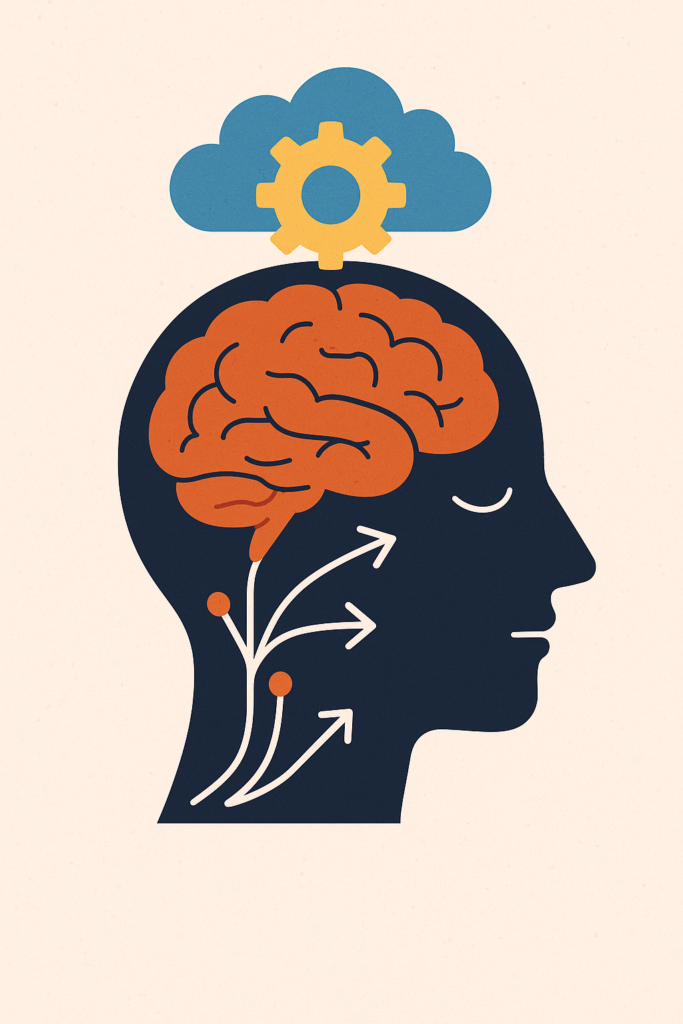
Understanding reticular activating system vs reticular formation begins with recognizing that these terms describe related but distinct components of the brain. The reticular formation is a broad network of neurons located in the brainstem that regulates essential functions such as arousal, sleep–wake cycles, and baseline alertness. The reticular activating system (RAS) is a specialized subset of this network that specifically influences awareness, attention, and conscious perception. While the reticular formation keeps the brain awake and responsive, the RAS determines what the brain pays attention to once it is awake and engaged.
The reticular activating system function centers on filtering information so the brain is not overwhelmed by sensory input. Every second, the nervous system receives far more data than conscious awareness can handle, so the RAS prioritizes information that aligns with current goals, beliefs, and expectations. This selective filtering explains why people often notice relevant opportunities after setting a clear intention. Practices such as reticular activating system exercises, including goal writing and visualization, help train this filtering process by repeatedly signaling what information is important to notice.
When comparing reticular activating system vs reticular formation, the key difference lies in selectivity and purpose. The reticular formation supports general alertness and physiological regulation, while the RAS fine-tunes conscious awareness. The reticular activating system function is closely tied to goal-directed attention, which explains the role of reticular activating system in focus. By consistently engaging in reticular activating system exercises, individuals can strengthen this selective awareness, improving concentration, follow-through, and intentional behavior as attention, perception, and action become more aligned.
Reticular Activating System Exercises
Reticular activating system exercises are designed to train the brain’s attention filter so it becomes more responsive to your goals and intentions. Because the reticular activating system function is to decide what information reaches conscious awareness, these exercises work best when practiced consistently and with clarity.
- Daily Goal Writing – Write down 1–3 specific goals every morning. This repetition signals importance to the brain and trains the reticular activating system to prioritize information related to those goals throughout the day.
- Visualization with Detail – Spend 3–5 minutes visualizing your desired outcome as vividly as possible. Include emotions, environment, and actions. This is one of the most effective reticular activating system exercises because the brain responds to imagined experiences similarly to real ones.
- Focused Affirmations – Use short, present-tense statements that reflect who you are becoming. Repeating affirmations reinforces identity-based focus, helping the brain filter for opportunities that match your self-concept.
- Environmental Cues – Place visual reminders of your goals in your workspace, phone background, or journal. These cues repeatedly activate attention, strengthening selective awareness.
- Evening Pattern Review – At the end of the day, note any ideas, conversations, or opportunities that aligned with your goals. This reinforces learning and sharpens the brain’s filtering ability.
- Reduce Cognitive Noise – Limit unnecessary distractions such as excessive notifications or multitasking. A calmer mental environment allows the reticular activating system function to operate more efficiently.
Practiced daily, these exercises strengthen focus, improve clarity, and make goal-aligned opportunities easier to notice and act on.
How the RAS Filters Information and Supports Manifestation

When discussing evidence for manifestation from a research-based perspective, the filtering role of the brain becomes essential. Every second, your mind is exposed to millions of sensory inputs, far more than conscious awareness can handle. The reticular activating system function exists to prevent overload by filtering out information that does not match your current focus, goals, or expectations. This is why, when someone buys a new car, they suddenly notice the same model everywhere—the car did not suddenly appear more often, but the brain began prioritizing it. Understanding this reticular activating system function helps explain how attention reorganizes perception in everyday life.
This process becomes even more effective when supported by intentional practice. Reticular activating system exercises, such as goal writing, visualization, and focused reflection, train the brain to recognize information aligned with your intentions more efficiently. As these reticular activating system exercises reinforce selective awareness, perception shifts first, followed by changes in behavior and decision-making. While this does not prove manifestation in a mystical sense, it demonstrates how directed focus influences the reality you experience, producing outcomes that feel aligned with manifestation principles through measurable cognitive and behavioral mechanisms.
The Science Behind Expectation and Belief
Expectation influences attention, behavior, and emotional states. When you expect positive outcomes, you behave in ways that increase your chances of achieving them. This psychological mechanism pairs naturally with manifestation ideas.
In scientific discussions, this becomes one of the strongest evidence for manifestation: what research says tips because expectation often determines how people pursue goals and whether they persist through challenges.
Visualization and the RAS
Visualization is one of the most widely used techniques in manifestation, but many don’t realize it has scientific grounding. When you visualize success, the brain activates neural pathways similar to actually performing the action.
This creates familiarity, which encourages confidence. As confidence grows, the RAS becomes more responsive to opportunities aligned with the imagined outcome.
How Emotion Strengthens RAS Signals
Emotions play an important role in strengthening RAS activation because they directly influence attention and memory. When you experience excitement, curiosity, or motivation, the brain releases neurotransmitters that heighten focus and engagement. This emotional reinforcement supports the reticular activating system function by signaling what information is meaningful and worthy of conscious awareness. As a result, goal-related cues stand out more clearly against background noise, making it easier to recognize opportunities and act on them.
This is why pairing intention with positive emotional states enhances the effectiveness of reticular activating system exercises. Practices such as visualization, goal journaling, or affirmations become more impactful when they evoke genuine feeling rather than repetition alone. Emotion adds intensity and relevance, helping the brain prioritize aligned information more consistently. Over time, this combination of emotion and focused practice trains attention, improves follow-through, and strengthens the brain’s natural filtering process.
The RAS and Cognitive Bias
Your brain naturally looks for information that supports your existing beliefs. This cognitive bias influences manifestation because positive beliefs lead to positive interpretations of events.
Understanding this connection helps explain why people who believe in their goals tend to achieve more than those who doubt their abilities.
How the RAS Supports Goal Setting and Clarity
Goal setting becomes significantly more effective when you understand how the RAS works. One of the key points in evidence for manifestation: what research says is that clarity improves cognitive efficiency. Your brain cannot amplify what you cannot define. When you set clear goals, the RAS receives more specific instructions on what to prioritize. This is why writing down goals often leads to higher achievement—your RAS begins filtering your environment in favor of those goals.
The more vividly you define what you want, the easier it becomes for the RAS to recognize relevant opportunities. Your brain starts connecting information that supports your intentions. In psychological terms, this process strengthens cognitive alignment and improves your ability to stay focused. Even though this doesn’t prove manifestation in a supernatural sense, it strongly supports the idea that your mindset can influence your experience through selective attention.
The RAS and Behavioral Change
Many people wonder how behaviors change when they shift their thoughts or intentions. According to evidence for manifestation: what research says guide resources, the RAS indirectly shapes behavior by influencing what you notice, how you interpret situations, and how you respond. When you direct your focus toward growth, your brain starts noticing growth-oriented choices. When you focus on fear, your brain notices more obstacles.
This filtering effect is subtle but powerful. Over time, these micro-decisions compound into major life changes. The RAS acts like a background mechanism that nudges you toward behaviors that match your dominant thoughts. This shows why mindset work, affirmations, and visualization become powerful tools for behavior modification—not because they create magic, but because they influence what your brain treats as important.
How the RAS Influences Your Self-Belief
Self-belief is one of the most influential psychological components of success. The RAS plays a major role in how you interpret your identity. When you repeatedly expose your mind to thoughts that affirm your abilities, the RAS begins prioritizing information that supports that identity. This is often emphasized in how to evidence for manifestation: what research says discussions, because identity shapes choices.
For example, if you believe you are capable of achieving your goals, your RAS will highlight evidence of your progress. If you believe you’re unworthy or incapable, your RAS will highlight obstacles and failures. The brain is always collecting data—but what data it highlights depends on your belief system. This neurological effect supports the idea that changing your identity can change your outcomes.
Leave a Reply