Introduction
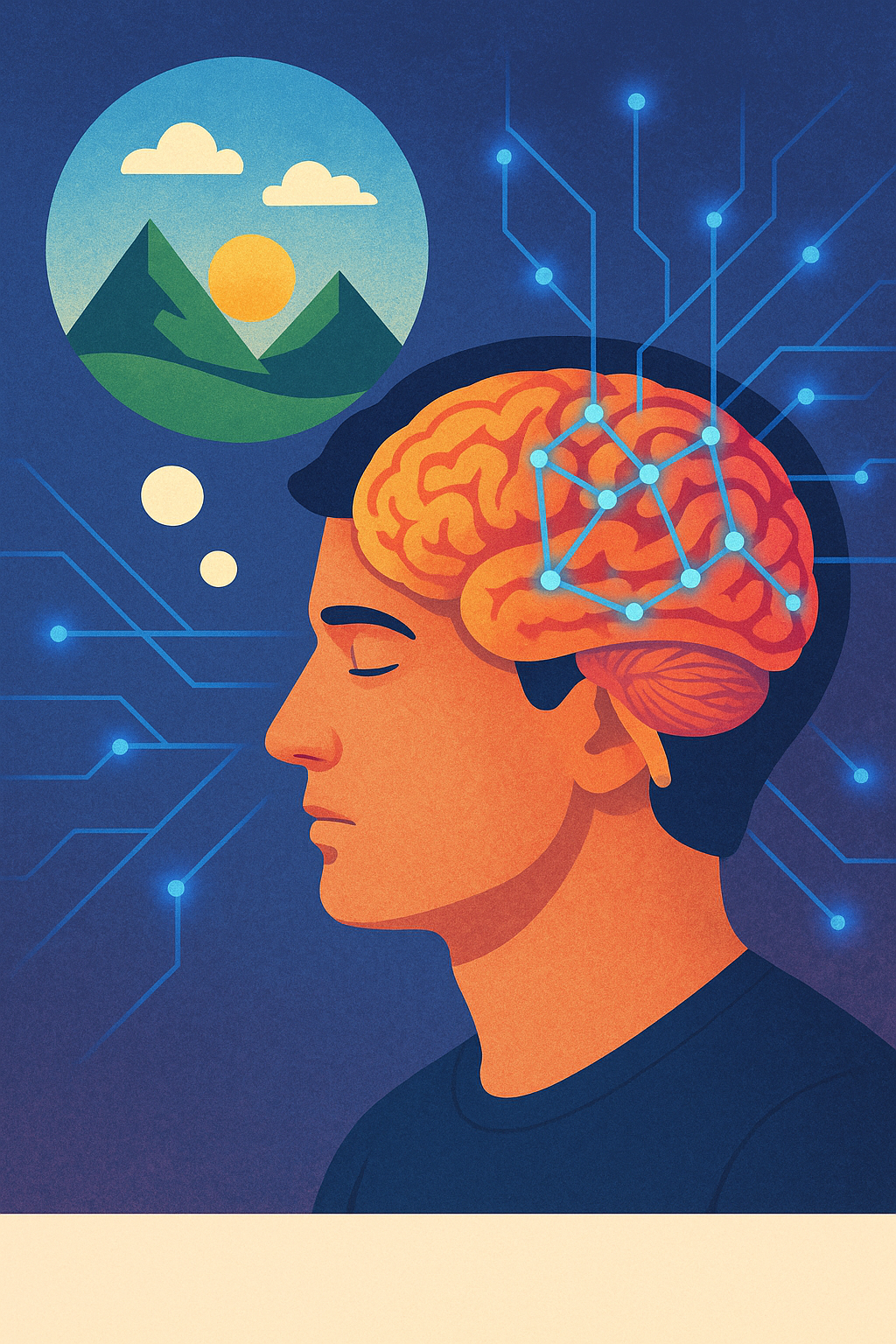
Visualization has captured the interest of scientists, athletes, and mindset practitioners alike—and with good reason. Modern neuroscience has given us clearer insight into how the mind responds when we imagine experiences vividly. Visualization and brain activation studies show that mental imagery activates many of the same brain regions involved during real-life actions. This means your brain interprets imagined events as practice, strengthening neural pathways that support performance, confidence, emotional balance, and learning.
The idea that you can influence your brain through thought alone may sound strange at first, but it is deeply supported by research. Functional MRI scans reveal that visualizing movement, speech, or emotional states triggers activation in motor areas, memory centers, and even the autonomic nervous system. When used strategically, visualization becomes a tool for shaping behavior, calming anxiety, and preparing for high‑pressure situations.
This article breaks down what visualization and brain activation studies reveal, how to apply those insights using proven visualization techniques in daily life, and why mental rehearsal has been widely adopted by therapists, athletes, students, and professionals. You’ll find simple explanations, practical steps, and tips you can start using today.
The Science Behind Visualization and Brain Activation
Visualization and brain activation studies consistently demonstrate that imagining yourself performing a task fires neural pathways almost identical to those used during physical execution. For example, when you’re rehearsing a speech in your mind, the same motor speech areas activate—even without uttering a word. Likewise, athletes visualizing their routines show measurable increases in coordination, timing, and precision.
Researchers often describe visualization as “mental simulation.” Your brain constructs an inner model of the world and uses it to predict, adapt, and prepare. This simulation becomes even more powerful when paired with sensory and emotional detail. In other words, the more real it feels, the more your brain responds.
One reason visualization is so effective is neuroplasticity—the brain’s ability to reorganize itself. Every time you visualize a successful behavior, you deepen the neural connections associated with that skill. Over time, repetition turns imagined behavior into natural behavior. That’s why visualization has become a core technique in performance psychology, therapy, and personal development.
Emotional Conditioning

Emotions play a powerful role in how the brain learns and adapts. When you combine visualization techniques with emotions such as excitement, gratitude, or confidence, the brain encodes the imagined experience more deeply. This emotional layer signals importance, telling the brain that the mental rehearsal is worth remembering. As a result, the neural pathways associated with the visualized behavior become stronger, making it easier to recall and apply the response in real-life situations.
Pairing visualization with simple brain activation activities, such as controlled breathing or light movement, can further enhance this effect. These activities help regulate the nervous system and increase focus, allowing emotional visualization to feel more vivid and grounded. Over time, this combination helps rewire automatic responses, supporting calmer reactions under stress and greater confidence when facing challenges.
The Role of Emotion in Visualization
Emotion is the secret ingredient that transforms visualization from an intellectual exercise into a powerful psychological tool. Visualization and brain activation studies show that emotional engagement increases neural firing, deepens memory encoding, and strengthens motivation. When you feel the experience—not just imagine it—you teach your brain “this matters.”
For example, imagining yourself succeeding while feeling pride or relief conditions your brain to associate success with positive emotions. This reduces fear, hesitation, and anxiety around real‑world attempts. It’s not wishful thinking—it’s emotional training.
How to Apply Visualization and Brain Activation Studies
Applying insights from visualization and brain activation studies begins with understanding that mental rehearsal is most effective when it is intentional, detailed, and emotionally engaging. Research shows that when you vividly imagine performing an action, the brain activates many of the same neural circuits involved in actually doing it. To apply this in daily life, start by choosing a specific goal or behavior you want to improve. Instead of visualizing vague success, imagine the exact steps involved—what you see, hear, feel, and think while taking action. This level of detail helps the brain treat the visualization as meaningful practice rather than passive daydreaming.
Effective application also requires consistency and structure. One of the most practical ways to use findings from visualization and brain activation studies is to pair visualization with existing routines, such as morning preparation or evening reflection. Spending even a few minutes rehearsing a desired behavior strengthens neural pathways associated with confidence, focus, and readiness. Using structured visualization techniques, such as mentally walking through a challenging conversation or rehearsing a task before starting work, reduces anxiety and improves performance because the brain has already “experienced” the situation.
Finally, visualization works best when combined with real-world action and feedback. Visualization techniques are not meant to replace effort but to support it by priming the brain for success. After visualizing, take small, aligned actions and reflect on what worked and what felt different. This loop—visualize, act, reflect—reinforces learning and adaptability. Over time, applying visualization and brain activation studies in this way helps train the mind to respond more effectively to challenges, making progress feel more natural and sustainable rather than forced.
Why Visualization Works Even Without Physical Practice
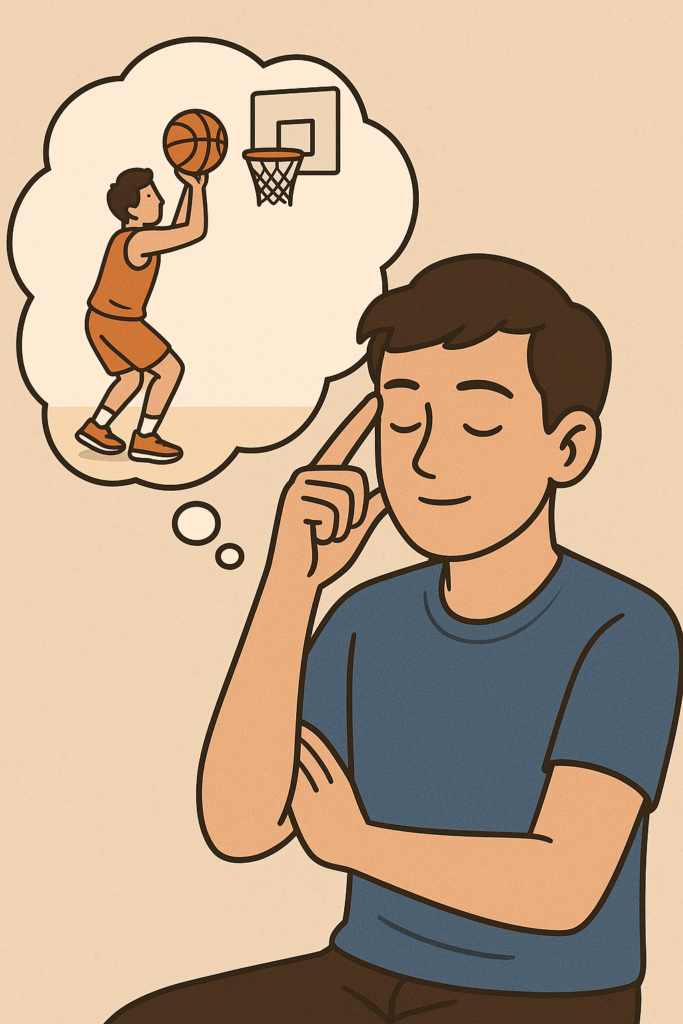
One of the most surprising findings from visualization and brain activation studies is that visualization alone can improve performance by activating many of the same neural pathways used during physical execution. While it does not replace hands-on practice, it significantly amplifies results by preparing the brain in advance. Using structured visualization techniques, individuals can mentally rehearse movements, decisions, and emotional responses, which builds confidence and reduces hesitation. This mental preparation primes the brain for smoother execution when real action takes place.
This effect is especially valuable for people recovering from injuries or preparing for situations where physical rehearsal is limited. In these cases, combining visualization with light brain activation activities, such as focused breathing or gentle movement, helps maintain neural engagement without physical strain. Visualization supports skill retention, preserves coordination patterns, and strengthens the cognitive aspects of performance, making the transition back to physical practice more efficient and less intimidating.
Visualization Techniques
Visualization Techniques involve using mental imagery to rehearse goals, behaviors, or outcomes before they occur in real life. By vividly imagining specific actions and the feelings associated with success, the brain activates similar neural pathways to those used during actual performance. This makes desired behaviors feel more familiar and achievable, increasing confidence and focus.
When practiced consistently, visualization techniques help clarify intention, reduce anxiety, and support goal-directed action by training the mind to expect progress and respond more effectively to challenges.
Step‑by‑Step
1. Sit comfortably and breathe deeply.
2. Picture a clear goal or moment.
3. Engage multiple senses.
4. Add emotion for intensity.
5. Practice daily for at least 30 days.
Visualization and Brain Activation Studies Tips
When applying insights from visualization and brain research, a few practical tips can make the process more effective and sustainable. Start by keeping visualizations short and focused, as the brain responds better to clear, specific imagery than long, unfocused sessions. Engage multiple senses—imagine sights, sounds, and physical sensations—to deepen neural engagement.
Pair visualization with simple brain activation activities, such as deep breathing, light movement, or brief mindfulness exercises, to increase alertness and focus before you begin. Consistency matters more than intensity, so practicing for a few minutes daily builds stronger neural pathways than occasional long sessions. Finally, always follow visualization with action, even small steps, so the brain links mental rehearsal with real-world behavior and learning.
1. Start small—short visualizations are effective.
2. Use emotion to strengthen impact.
3. Repeat consistently to reinforce pathways.
Additional Insights on How Visualization Influences Learning

One often overlooked benefit of visualization is its ability to significantly enhance learning. When you use visualization techniques to imagine a concept vividly, the brain processes the information as if it were an actual experience rather than abstract data. Experiences create stronger neural imprints than facts alone, which is why visualized information is easier to understand and remember. By mentally engaging with ideas—seeing diagrams, processes, or outcomes unfold—the brain builds richer connections that support deeper comprehension.
Visualization also strengthens retrieval pathways, which are the neural routes the brain uses to access stored information. Rehearsing material visually makes recall faster and more accurate, especially under pressure. This is particularly useful for subjects that involve complex problem-solving, layered concepts, or step-by-step reasoning. Over time, consistent use of visualization techniques improves both memory retention and cognitive flexibility, helping learners apply knowledge more effectively rather than simply memorizing it.
Expanding the Mind-Body Connection Through Visualization

One of the most fascinating discoveries in recent visualization and brain activation studies is how mental imagery influences physical responses in the body. When you picture yourself relaxing, breathing deeply, or releasing tension, your nervous system often mirrors those imagined states. This is why guided imagery is used in medical settings to reduce pain, calm pre-surgery anxiety, and support recovery. The brain sends signals to the body based on what it believes is happening, demonstrating how deeply intertwined the mind and body truly are.
Visualization can also enhance motivation by strengthening your internal sense of identity. When you repeatedly imagine yourself as someone disciplined, confident, or successful, your brain begins adopting that identity as truth. This subtle shift influences the choices you make throughout the day. Instead of forcing motivation, visualization helps align your internal beliefs with the behaviors needed to achieve your goals. Over time, this alignment becomes more stable, making progress feel natural rather than forced.
Finally, visualization encourages creativity and problem‑solving by activating brain regions associated with imagination and innovation. When you visualize potential solutions—whether for work, relationships, or personal growth—your brain generates new connections and ideas. This process expands your capacity to think strategically and respond flexibly to challenges. Visualization is not simply about imagining a desired outcome; it is about activating the mental processes that help you create it.
Leave a Reply