Introduction
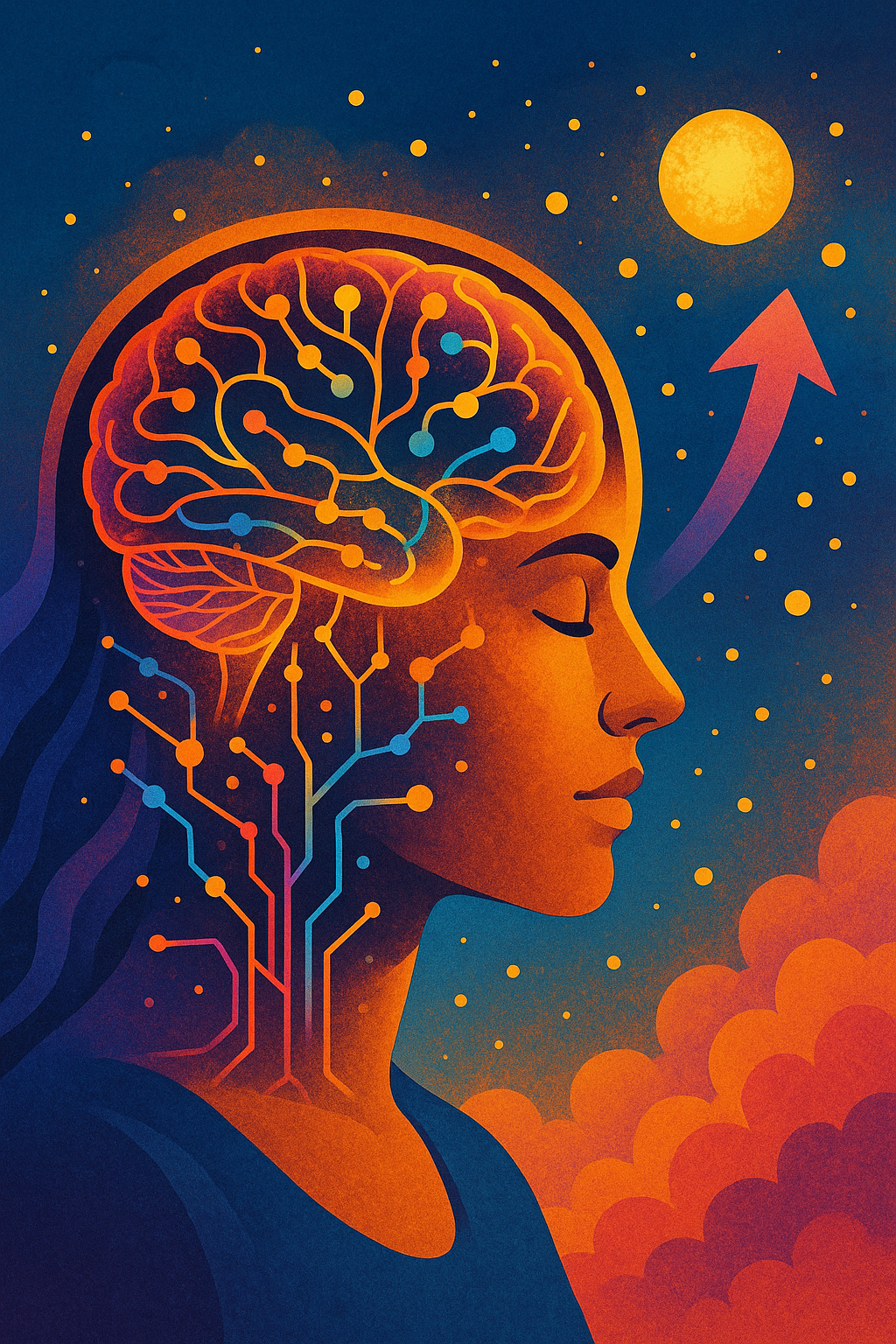
Neuroplasticity has become one of the most important discoveries in modern neuroscience. It refers to the brain’s ability to change, reorganize, and form new neural connections throughout life—a concept grounded in neuroplasticity theory. Rather than being fixed after childhood, the brain continuously adapts based on experience, repetition, and focus. This means that thoughts, emotions, and behaviors are not just psychological events; they have physical consequences in the brain. As neural pathways strengthen through repeated use, certain patterns of thinking and acting become more automatic, shaping how people respond to challenges, opportunities, and goals.
This is where the relationship between neuroplasticity and manifestation becomes especially relevant. Manifestation is often misunderstood as passive positive thinking, but in reality, it aligns closely with proven neuroplasticity principles such as repetition, attention, emotional intensity, and reinforcement. When individuals repeatedly visualize outcomes, affirm beliefs, or emotionally engage with a goal, they are training the brain to recognize related cues and act in alignment with those expectations. Over time, this mental training influences decision-making, confidence, and behavior, making desired outcomes feel more attainable not because of magic, but because the brain has been conditioned to support them.
Clear neuroplasticity examples can be seen in everyday life, such as learning a new language, developing healthier habits, or overcoming limiting beliefs. Each repeated action strengthens the neural circuits associated with that behavior, while unused pathways gradually weaken. The same process applies to manifestation-focused practices: consistent mental rehearsal, emotional regulation, and intentional action reshape internal patterns that guide external behavior. When practiced consistently, these changes accumulate, leading to noticeable shifts in habits, emotional responses, and life direction. In this way, manifestation becomes a form of mental training rooted in neuroscience—one that leverages the brain’s natural ability to adapt and evolve over time.
What are the 4 Stages of Neuroplasticity?
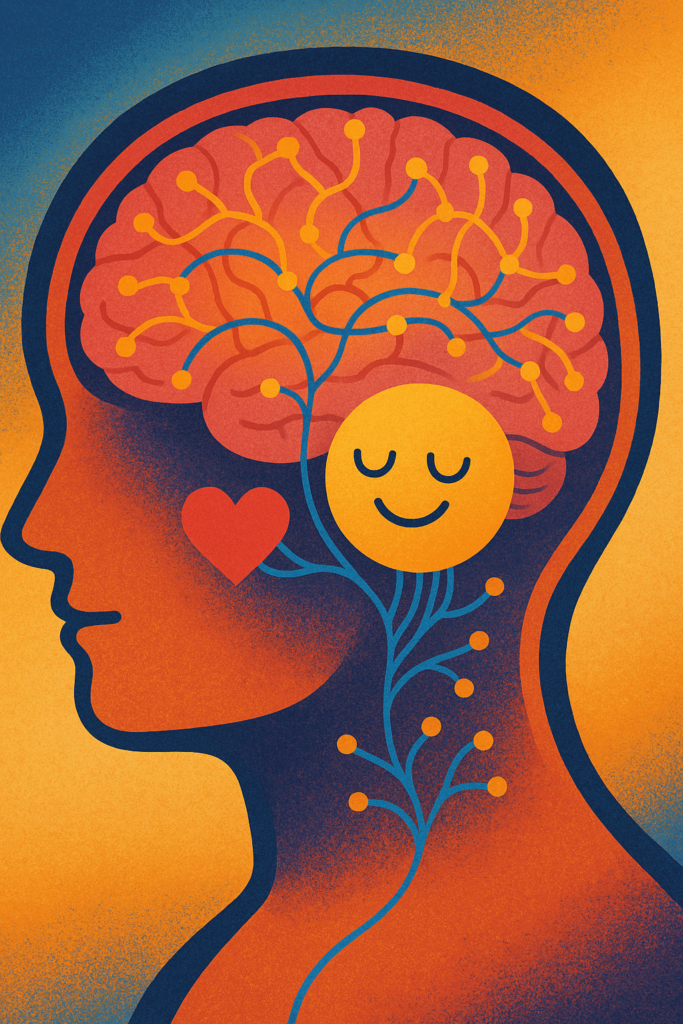
The first stage of neuroplasticity is awareness and stimulation, where the brain is exposed to a new experience, thought pattern, or behavior. This stage aligns closely with neuroplasticity theory, which explains that change begins when neurons are activated in response to novelty or intention. At this point, the brain is essentially noticing something new and preparing to adapt. This is also where neuroplasticity and manifestation intersect, because focused attention, intention, and emotional engagement act as the initial stimulus that signals the brain a change is needed.
The second stage is repetition and reinforcement, one of the most important neuroplasticity principles. Neural pathways strengthen only when they are activated repeatedly. Occasional effort creates awareness, but repetition creates structure. Whether you are practicing a new skill, adopting a new belief, or visualizing a goal consistently, repetition tells the brain that this pathway matters. Many neuroplasticity examples—such as learning a language or changing a habit—demonstrate that consistent mental and behavioral rehearsal is what turns intention into neurological change.
The third stage is consolidation, where new neural pathways become more efficient and stable. During this phase, the brain prunes weaker connections and prioritizes the strengthened ones, making the new pattern easier and more automatic. This is why behaviors that once required effort eventually feel natural. In the context of neuroplasticity and manifestation, this stage explains why long-term mindset work leads to lasting identity shifts. The brain begins operating from the new pattern rather than reverting to the old one.
The final stage is integration and automation, where the change becomes part of your default operating system. At this point, the brain no longer needs conscious effort to maintain the new pattern. This stage reflects advanced neuroplasticity principles, showing that true transformation occurs when thoughts, emotions, and behaviors align effortlessly. Common neuroplasticity examples at this stage include automatic confidence, emotional regulation, or disciplined habits. This is where manifestation feels effortless—not because of magic, but because the brain has fully adapted to support the new reality.
Understanding the Link Between Neuroplasticity and Manifestation
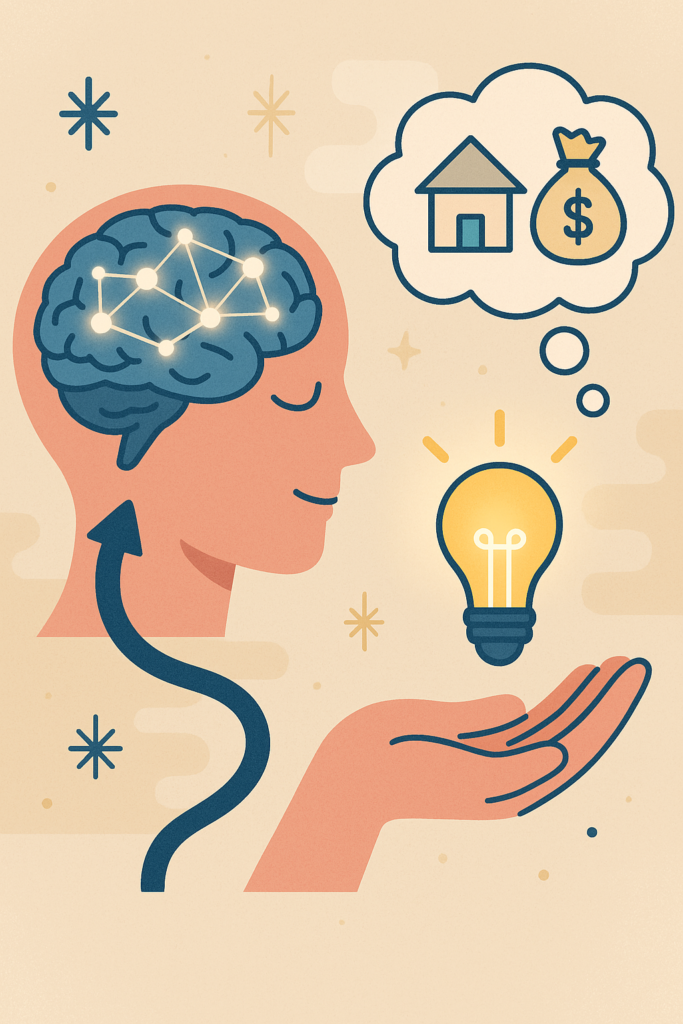
To understand neuroplasticity and manifestation, you first need to look at how thoughts influence the brain. Neurons communicate through electrical impulses, and the pathways they form grow stronger the more they are used. When you repeatedly imagine success, confidence, healing, or abundance, the neural networks associated with those states begin to strengthen. This makes it easier for your mind and body to adopt those patterns automatically.
The same is true in reverse. When you rehearse fear, doubt, or defeat in your mind, those pathways also strengthen. That is why manifestation is not just about imagining what you want — it is also about rewiring the patterns that have been working against you. Neuroplasticity gives manifestation its practical foundation by explaining how mental repetition leads to cognitive, emotional, and behavioral change.
A powerful example of neuroplasticity in action is visualization. Studies show that imagining movements activates the same motor regions of the brain as physical practice. This helps athletes, performers, and professionals improve skills simply by rehearsing mentally. When applied to manifestation, visualization becomes a tool for signaling to the brain, “This is the direction we are moving.” The more vividly and consistently you visualize, the more your brain begins adapting to that imagined reality.
How Neuroplasticity Supports the Manifestation Process
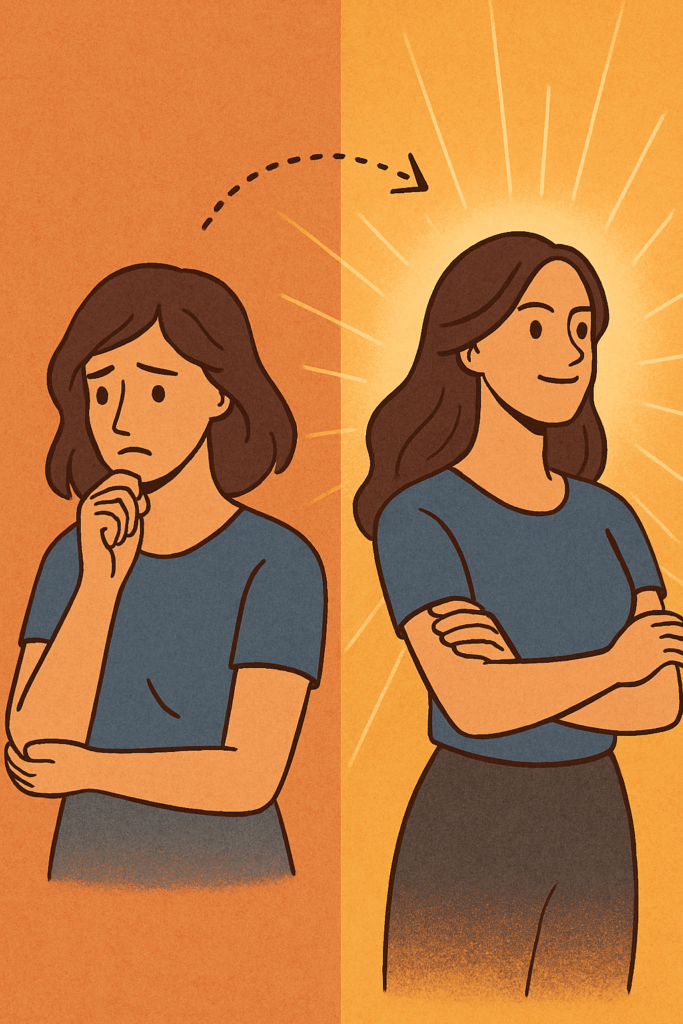
Neuroplasticity supports manifestation by making the brain more receptive to new beliefs, habits, and emotional patterns. When you think about a desired outcome repeatedly, your brain begins treating it as familiar. Familiarity reduces fear and resistance, allowing you to take action more confidently. This is why a person who spends time visualizing their goals often behaves more boldly than someone who only thinks about them occasionally.
Another way neuroplasticity supports manifestation is through emotional conditioning. When you pair a visualization with strong emotions like gratitude, excitement, or relief, the brain encodes the imagined experience more deeply. This emotional reinforcement helps shift your identity — from someone who hopes for change to someone who expects it. Manifestation becomes much easier when your brain believes the new identity you are stepping into.
Why Repetition Strengthens Manifestation
Repetition is what drives neuroplasticity. Every thought you repeat becomes easier for the brain to access. This is why manifestation teachings emphasize consistency. Whether you are repeating affirmations, visualizing your future, or acting in alignment with your goals, each repetition strengthens the neural networks that support those behaviors.
Repetition also reduces mental resistance. When your brain becomes familiar with a new idea, it stops interpreting it as a threat or unrealistic possibility. This mental shift increases your willingness to take action, which is the bridge that turns manifestation into real-world results.
The Role of Emotion in Brain Rewiring
Emotion is a key component of neuroplasticity and manifestation because emotional experiences activate more powerful neural responses than neutral ones. When you visualize a goal and feel joy, confidence, or gratitude, your brain encodes the memory more deeply. This emotional imprint makes the visualization more believable, which is essential for manifestation.
Similarly, emotional responses help rewire limiting beliefs. When you consciously replace fear or doubt with calmness or determination, you weaken old neural circuits and strengthen new ones. Over time, emotional mastery becomes one of your strongest manifestation tools.
How do you rewire your brain for Neuroplasticity?
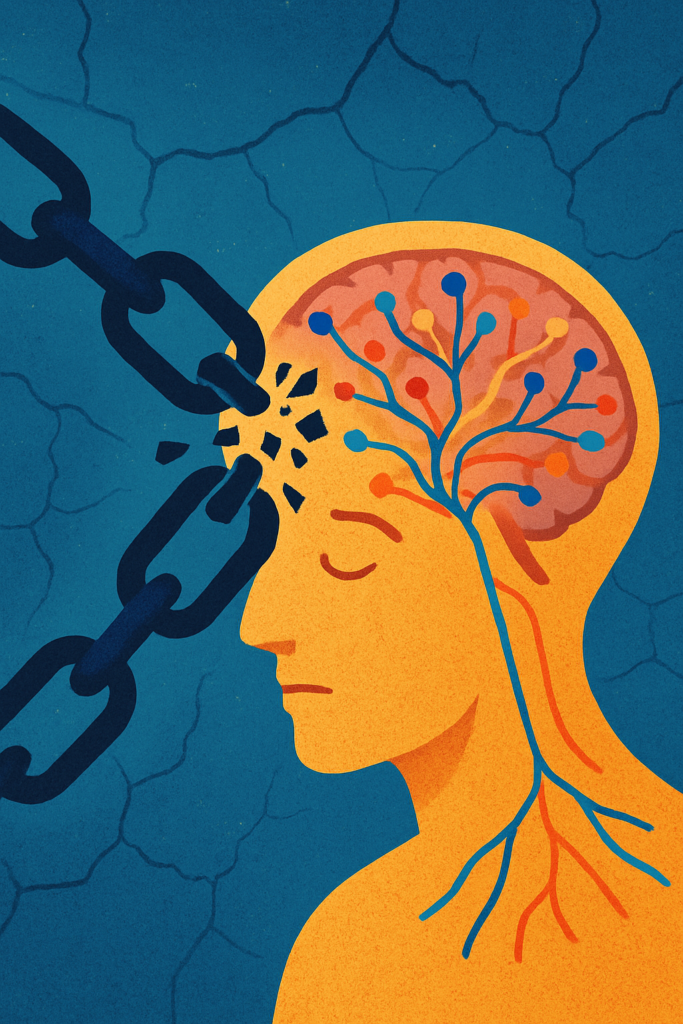
Rewiring your brain for change begins with understanding neuroplasticity theory, which explains that the brain adapts based on repeated thoughts, emotions, and behaviors. The most effective approach is intentional repetition combined with focused attention. When you repeatedly practice a new skill, belief, or habit, neurons that fire together begin to wire together, strengthening that pathway over time. This is one of the core neuroplasticity principles—change does not come from a single effort but from consistent reinforcement. Visualization, mindful attention, emotional engagement, and deliberate practice all accelerate this process by signaling to the brain that a new pattern is important and worth maintaining.
Equally important is creating the right conditions for change. Real-world neuroplasticity examples show that learning environments, emotional states, and daily routines strongly influence how quickly the brain rewires. Sleep, stress management, and repetition play critical roles in stabilizing new neural connections. For instance, practicing a new habit at the same time each day strengthens consistency, while positive emotional reinforcement increases motivation and retention. By aligning behavior, mindset, and environment with proven neuroplasticity principles, the brain gradually shifts from effortful change to automatic adaptation, making long-term transformation sustainable and natural.
The Identity Shift in Manifestation
Manifestation becomes more powerful when you begin identifying as the version of yourself who already embodies your goals. Neuroplasticity supports this shift by rewiring the beliefs, behaviors, and emotional states connected to your chosen identity. When your brain believes a new identity is true, your actions start aligning with it automatically.
This is one reason why manifestation often begins internally before external change appears. You become the energetic match for your goals by embodying them mentally and emotionally first.
A Practical Neuroplasticity and Manifestation Guide
A simple neuroplasticity and manifestation guide includes:
1. Choose a specific goal or identity shift.
2. Visualize it daily with emotion.
3. Interrupt limiting thoughts.
4. Replace them with supportive beliefs.
5. Take aligned action each day.
Neuroplasticity and Manifestation Tips
Here are beginner-friendly neuroplasticity and manifestation tips:
1. Stay consistent — frequency matters more than intensity.
2. Use emotions to enhance visualizations.
3. Celebrate small shifts to reinforce new neural circuits.
How Neuroplasticity Makes Manifestation More Consistent
One of the biggest challenges people face with manifestation is consistency. You might visualize strongly for a few days, feel motivated for a week, and then slip back into old thinking patterns. Neuroplasticity finally explains why this happens: your old neural pathways are still stronger than your new ones. The brain prefers familiar patterns because they require less energy. This means that even when you consciously want change, your brain might still default to the belief systems and emotional reactions you’ve practiced for years.
The good news is that neuroplasticity also provides the solution. Every time you visualize, repeat affirmations, or emotionally embody your desired identity, you strengthen the pathways aligned with your goals. Over time, these pathways become more dominant than your old ones. This is when manifestation begins to feel natural rather than forced — your brain automatically supports the thoughts, behaviors, and opportunities that align with your desires.
Another reason neuroplasticity improves manifestation consistency is because it reduces mental resistance. When a new belief feels unfamiliar — for example, “I am confident,” “I am worthy,” or “I attract abundance” — the brain initially treats it as unrealistic. But through repetition, the belief becomes familiar, then comfortable, and ultimately accepted. Once the brain accepts a belief, it begins filtering your experiences through that lens. You notice opportunities that match your new identity and ignore those that don’t.
Finally, neuroplasticity reinforces the emotional alignment required for manifestation. When you repeatedly feel the emotions of your desired reality — gratitude, pride, peace, excitement — the brain learns to access those emotional states more easily. This stabilizes your vibration and keeps manifestation from fluctuating based on mood or external circumstances. In this way, neuroplasticity becomes the engine that keeps manifestation running smoothly, predictably, and powerfully over time.
This ongoing neural reinforcement strengthens your inner belief system, making your intentions feel increasingly achievable and aligned with your lived reality.
Conclusion
Neuroplasticity and manifestation work together to reshape your inner world and your external reality. Your brain adapts to what you repeatedly imagine, feel, and practice. Through consistent visualization, emotional alignment, and intentional thought patterns, you strengthen the neural pathways that support your goals. Manifestation becomes the natural outcome of a brain trained to expect and create change.
Leave a Reply