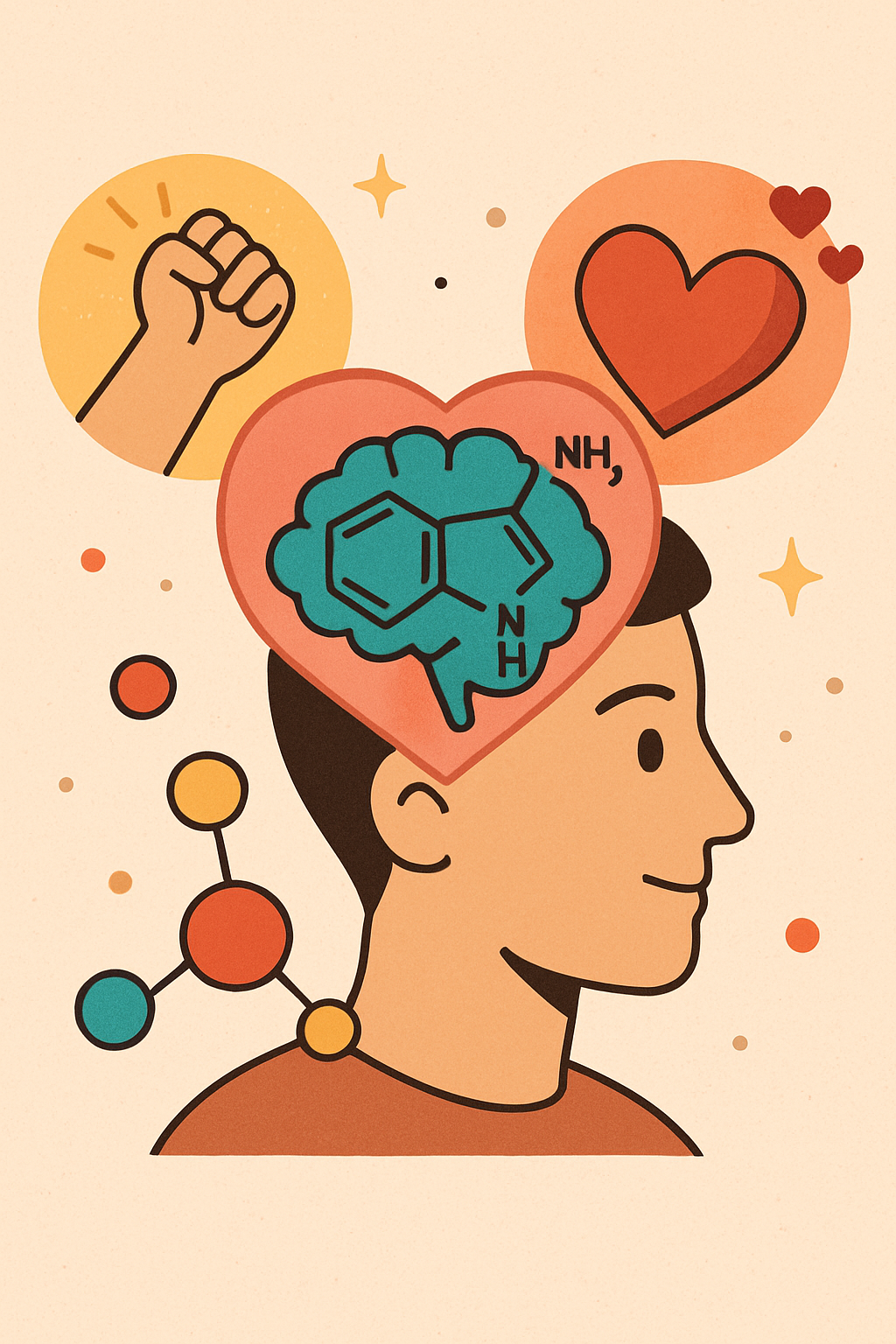
Dopamine is one of the most fascinating chemicals in the human brain. Often associated with pleasure, excitement, and reward, dopamine function extends far beyond simply making us feel good. The role of dopamine in motivation and attraction is rooted in how this neurotransmitter drives goal-seeking behavior, curiosity, and emotional engagement. It influences how we pursue ambitions, form connections with others, interpret experiences, and decide what feels desirable or worth effort. When dopamine levels rise, curiosity sharpens, energy increases, and motivation strengthens, making action feel more natural and rewarding rather than forced.
Many people think of dopamine as the “feel-good molecule,” but in reality, dopamine function is centered on anticipation rather than reward itself. It is not the reward that triggers the dopamine spike, but the expectation of it—this is why dopamine is so essential to motivation. As a dopamine hormone, it helps the brain focus on potential outcomes, fuels goal-directed behavior, and sustains drive even when progress is slow or challenging. Without healthy dopamine activity, even the most exciting goals would feel dull, distant, and unmotivating, making sustained effort far more difficult.
This same mechanism is also connected to attraction. Dopamine shapes how we form emotional bonds, how strongly we crave connection, and how deeply we feel drawn to someone. When you experience attraction, dopamine signals create that sense of excitement, butterflies, and intense focus. Understanding the role of dopamine in motivation and attraction gives you a clearer picture of why you behave the way you do — and how you can use this awareness to create healthier habits and meaningful relationships.
Why Dopamine Plays a Central Role in Human Behavior
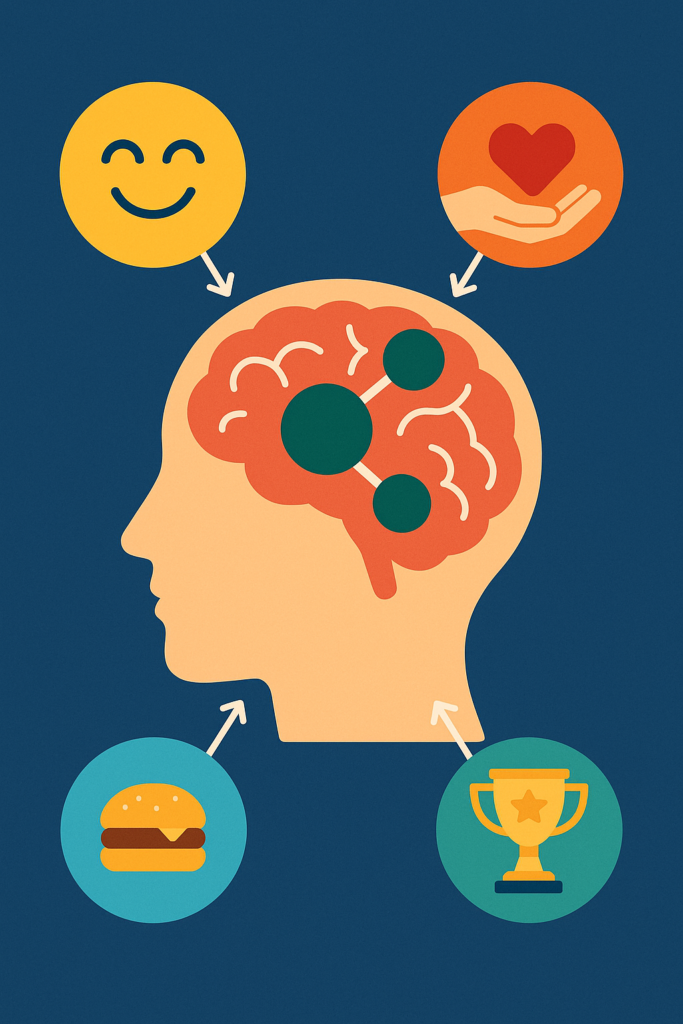
The role of dopamine in motivation and attraction is deeply tied to how the brain processes rewards, and dopamine function plays a central role in this process. Acting like a spotlight, dopamine highlights experiences, goals, and people that the brain believes will be beneficial. As a dopamine hormone, it amplifies interest and directs attention toward what feels meaningful—whether that is achieving a goal, learning a new skill, or forming an emotional connection. This selective focus is why dopamine is so influential in shaping long-term habits, preferences, and patterns of attraction over time.
Dopamine also drives persistence. When you experience small wins — checking off a task, receiving positive feedback, or making progress — your brain rewards you with dopamine bursts. These moments encourage you to keep going. They create a loop of anticipation, action, and satisfaction. Without this loop, motivation would be incredibly difficult to maintain. You would understand a goal intellectually but feel no emotional pull to pursue it.
Another interesting element of dopamine is how unpredictable rewards increase its power. When something feels uncertain or new, dopamine spikes even higher. This is why people often find themselves more motivated by challenges than guarantees. The brain is wired to pursue possibilities, not just outcomes. Dopamine ensures that humans remain curious, driven, and constantly exploring what’s next.
How Dopamine Affects Attraction
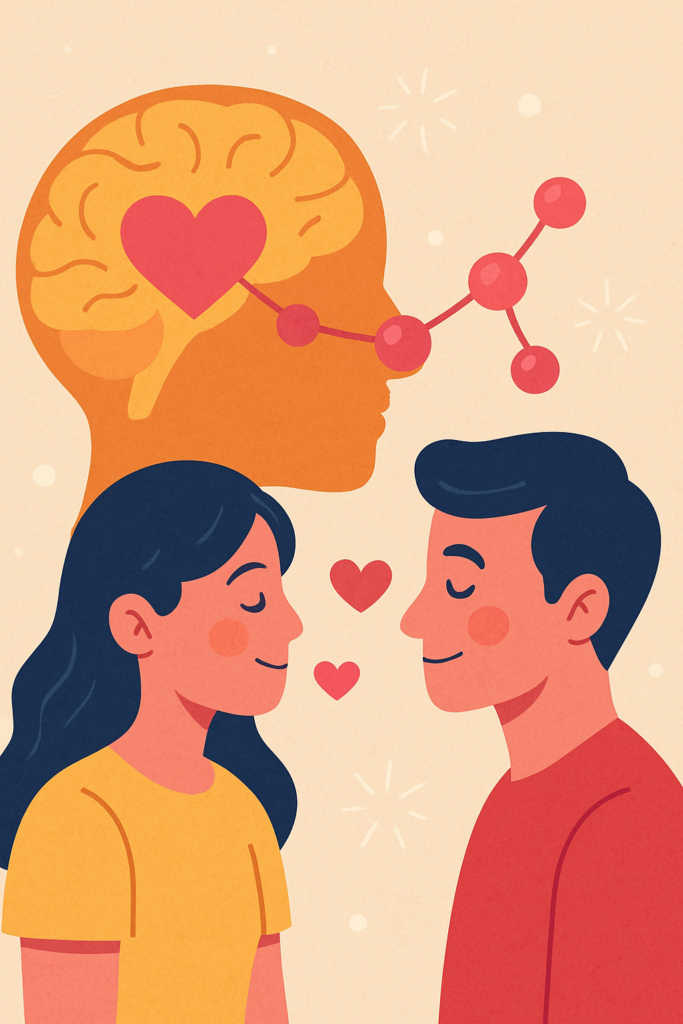
Attraction is not just emotional or physical — it is chemical. Dopamine plays a major role in why we feel drawn to certain people. When you interact with someone who energizes you, excites you, or makes you feel seen, dopamine levels rise. This creates a feeling of connection and intensity that can become addictive in its own way.
Dopamine also contributes to the “honeymoon phase” of relationships. During these early stages, novelty is high, uncertainty is present, and emotions feel amplified. These conditions trigger strong dopamine responses that make experiences feel special and memorable. As you grow closer to someone, dopamine helps reinforce those feelings of attachment and reward.
This is why understanding the role of dopamine in motivation and attraction can help you build healthier relationships. When you recognize what chemicals are influencing your feelings, you can make clearer decisions and avoid confusing temporary excitement with long-term compatibility.
How to Understand the Role of Dopamine in Motivation and Attraction
Many beginners search online for “how to the role of dopamine in motivation and attraction”, even though the phrase is grammatically incorrect, because they’re trying to understand how dopamine influences desire and motivation.
The corrected phrasing — how to understand the role of dopamine in motivation and attraction — involves learning how dopamine impacts your habits, relationships, and internal drive. When you understand what increases dopamine and what diminishes it, you gain more control over your motivation patterns and emotional responses. This awareness helps you support behaviors that energize you and minimize those that drain you.
Dopamine and Goal-Setting
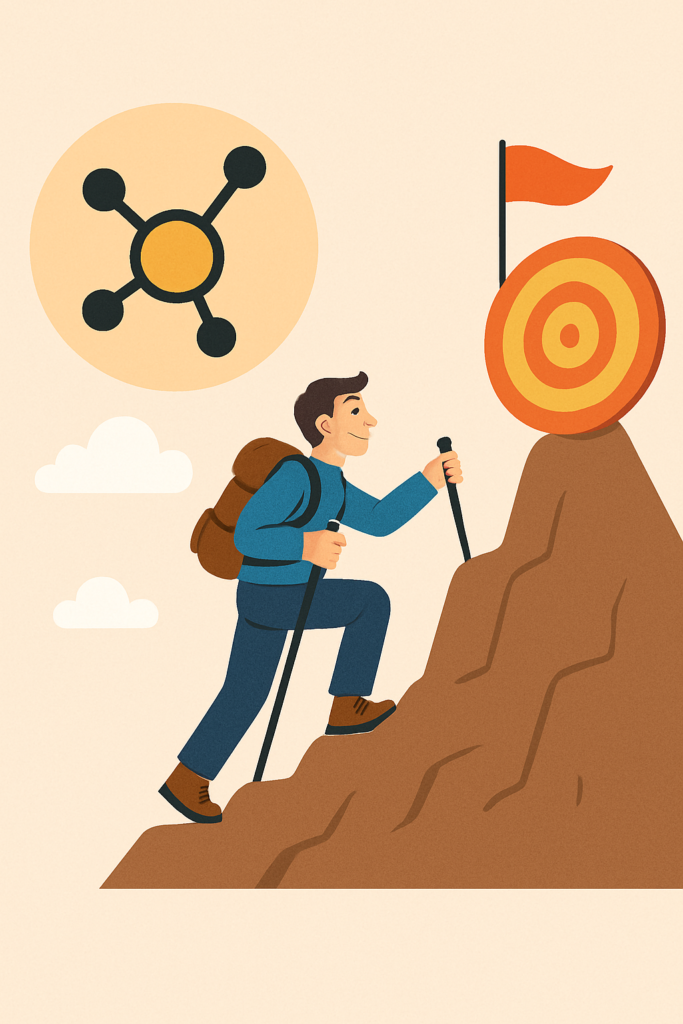
Goal-setting becomes far more effective when you understand how the dopamine function supports motivation and follow-through. Dopamine responds strongly to progress, not just outcomes, which is why breaking goals into small, achievable steps works so well. Each completed task signals progress to the brain, creating a brief dopamine release that reinforces the behavior. These frequent “wins” build momentum, making it easier to stay engaged rather than overwhelmed by distant end goals.
The dopamine hormone is also closely tied to emotional meaning. Goals that feel personally important, exciting, or aligned with your identity naturally stimulate higher dopamine levels. This emotional connection makes action feel less forced and more rewarding. When your goals resonate on a deeper level, dopamine helps sustain effort over time, even when challenges arise, turning consistency into a natural response rather than a struggle.
Dopamine and Habit Formation
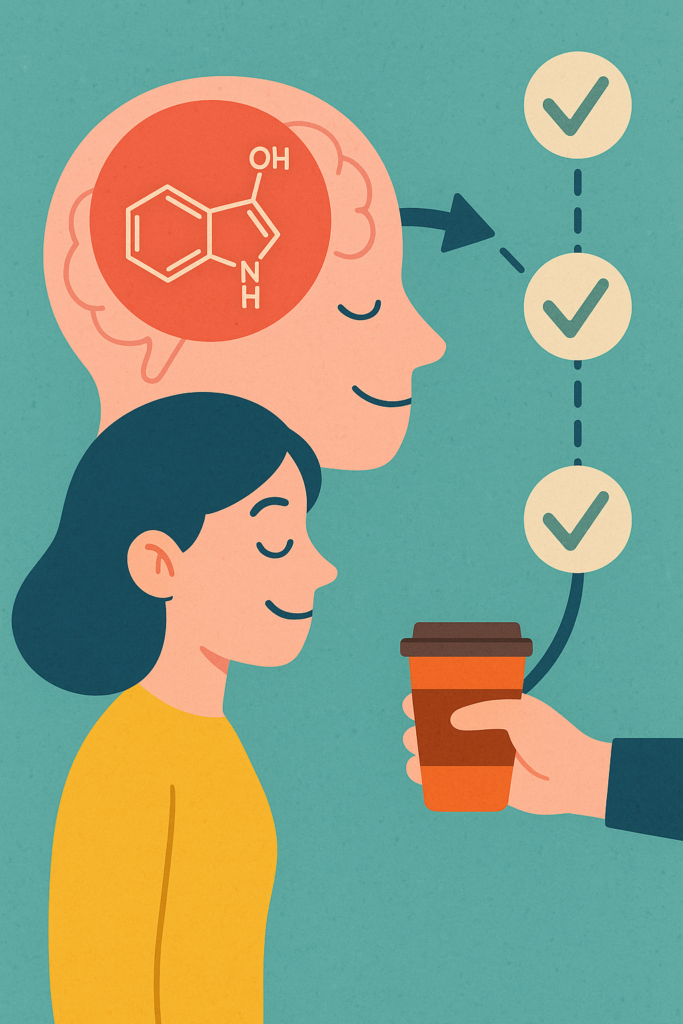
Dopamine is at the heart of all habits, both good and bad, because its dopamine function is to reinforce behaviors that the brain associates with reward or progress. When an action produces even a small sense of satisfaction, accomplishment, or relief, dopamine signals the brain to remember that behavior and repeat it in the future. This is why habits can form quickly—whether they are healthy routines like exercise or unhelpful patterns like scrolling or snacking. The brain is not judging the quality of the habit; it is simply responding to the chemical feedback that says, “This worked—do it again.”
Understanding the role of the dopamine hormone allows you to intentionally shape better habits instead of fighting against your biology. Celebrating small wins, tracking progress, or pairing a new habit with something enjoyable increases dopamine release and strengthens motivation. Over time, these repeated positive signals make the behavior feel more natural and less forced. Rather than relying on willpower alone, successful behavior-change systems use dopamine strategically—by designing habits that feel rewarding early on, they leverage the brain’s natural learning system to create consistency and long-term change.
Dopamine’s Role in Romantic and Social Attraction
Social bonds are strengthened by dopamine. When someone makes you laugh, supports you, or shares uplifting experiences with you, dopamine reinforces those interactions. This increases attachment and trust.
In romantic attraction, dopamine can feel electrifying. It heightens focus, amplifies emotions, and creates anticipation. Recognizing these chemical influences helps you distinguish genuine compatibility from dopamine-driven excitement — a crucial distinction for long-term stability.
A Practical Guide to the Role of Dopamine in Motivation and Attraction
A simple the role of dopamine in motivation and attraction guide includes:
1. Breaking goals into small, dopamine-rewarding steps
2. Reducing habits that drain motivation
3. Choosing environments and people that energize you
This guide helps you work with your brain rather than against it, making motivation more natural and sustainable.
The Role of Dopamine in Motivation and Attraction Tips
Here are some helpful the role of dopamine in motivation and attraction tips:
1. Use novelty to spark motivation
2. Practice consistency rather than intensity
3. Create social connections that uplift you
These tips boost your dopamine system in a healthy, balanced way.
Dopamine vs Serotonin: What’s the Difference?
When comparing dopamine vs serotonin, the key difference lies in what each chemical motivates and regulates in the brain. Dopamine is primarily associated with drive, anticipation, and reward-seeking behavior. It pushes you toward goals, novelty, and achievement by creating a sense of excitement and motivation before a reward is obtained. This is why dopamine is closely linked to ambition, focus, habit formation, and attraction. Serotonin, on the other hand, is more closely tied to emotional balance, contentment, and overall well-being. Rather than driving you forward, serotonin helps you feel calm, stable, and satisfied with the present moment.
Understanding dopamine vs serotonin also explains why both are essential for a healthy mindset and sustainable motivation. Too much dopamine-driven behavior without serotonin balance can lead to restlessness, burnout, or constant dissatisfaction, because the brain is always chasing the next reward. Serotonin helps regulate mood, patience, and emotional resilience, making it easier to feel grounded even when goals take time to achieve. In simple terms, dopamine helps you pursue what you want, while serotonin helps you feel okay where you are. When these two systems work together, they support both progress and inner stability
Deepening Your Understanding of Dopamine’s Influence on Daily Life
Beyond motivation and attraction, dopamine also influences how you interpret rewards, maintain long-term goals, and stay emotionally resilient. Many people underestimate how closely dopamine is tied to their sense of purpose and direction. When dopamine is balanced, you feel energized, curious, and emotionally engaged with life. When dopamine is low or dysregulated, everything can feel heavier, slower, or less meaningful—even when nothing externally has changed. Understanding this deeper layer of dopamine’s influence allows you to approach challenges with more clarity and self-awareness.
Dopamine also shapes how quickly you bounce back from setbacks. When you face disappointment or failure, your brain temporarily reduces reward signaling. This can make it harder to feel motivated or hopeful. However, by intentionally creating small wins—like completing simple tasks or engaging in activities you enjoy—you can trigger gradual dopamine recovery. This is why therapists often recommend breaking goals into tiny steps. Each step restores a sense of progress and triggers micro-rewards that rebuild confidence.
Another important aspect to explore is how dopamine affects decision-making. When dopamine levels are high, people tend to take more risks, explore new opportunities, and trust their instincts more. This can be incredibly beneficial when pursuing goals or stepping out of your comfort zone. But it can also lead to impulsive decisions if not balanced with reflection. Recognizing how dopamine impacts your choices helps you pause, evaluate, and make decisions that align with long-term fulfillment rather than short-term excitement.
Finally, dopamine plays a significant role in your relationship with discipline and consistency. Many people assume discipline is purely about willpower, but in reality, motivation chemistry plays a major part. When you design habits that naturally boost dopamine—such as tracking progress, celebrating milestones, or connecting your goals to meaningful emotions—discipline becomes easier and more automatic. You’re not forcing yourself to stay motivated; you’re working with your brain’s natural reward system. Understanding this makes it possible to build a lifestyle where progress feels enjoyable, sustainable, and aligned with your personal growth.
Conclusion
Dopamine significantly shapes how we pursue goals, connect with others, and interpret our experiences. When you understand the role of dopamine in motivation and attraction, you begin to see why certain behaviors feel rewarding and others feel exhausting. By learning how to work with your dopamine system — through small wins, meaningful connections, and emotionally aligned goals — you create a life driven by purpose rather than pressure. Your motivation grows stronger, your relationships become deeper, and your overall well-being improves.
Leave a Reply