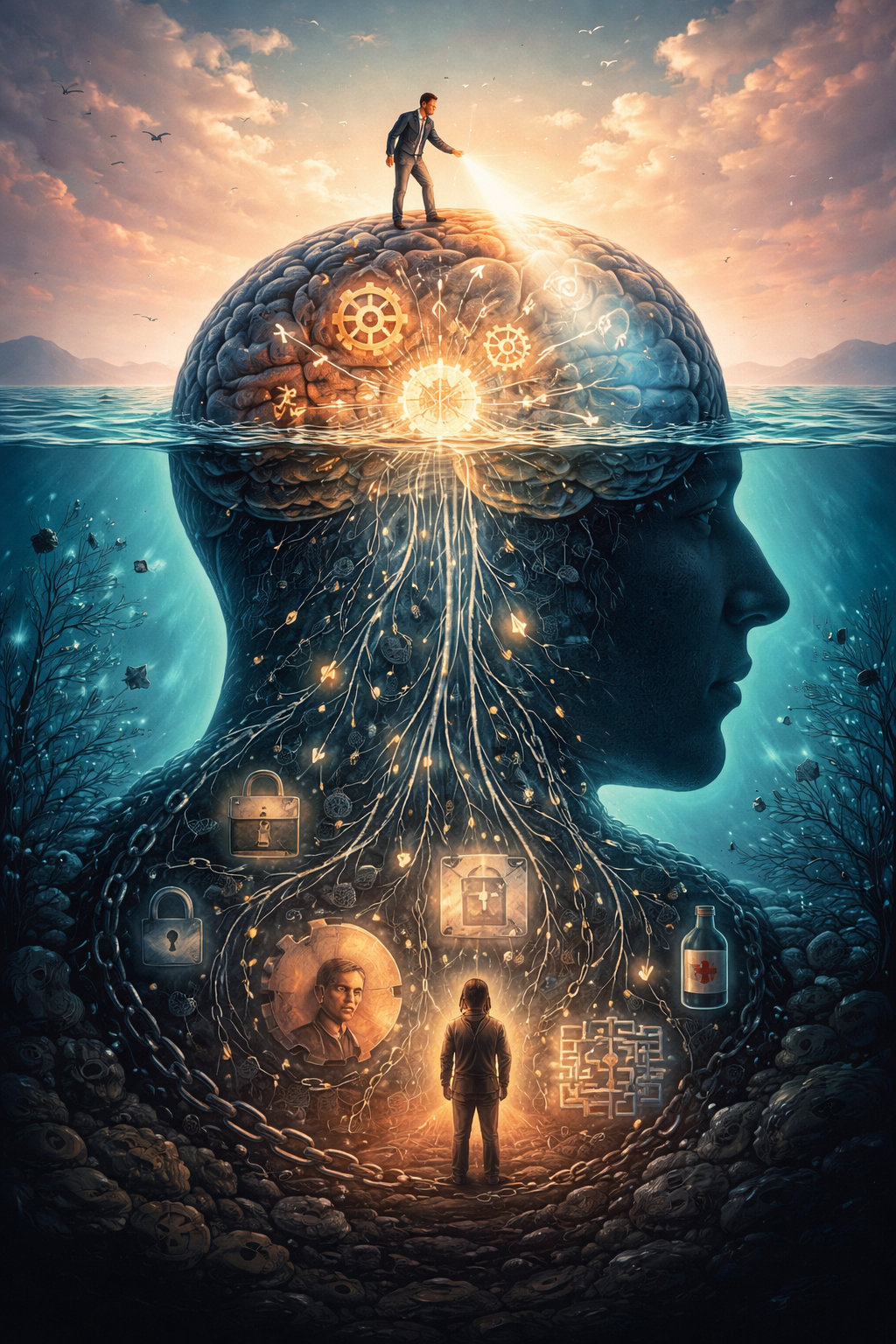
Most daily decisions feel deliberate, yet many of them are guided by patterns formed long before conscious choice steps in. This is why changing subconscious beliefs becomes such a powerful turning point—because the subconscious mind operates as the background system running your life. If you want a deeper understanding of this dynamic, the article How Belief Systems Affect Manifestation explores how internal narratives silently shape external outcomes. The subconscious mind filters what feels possible, safe, or familiar, quietly influencing how you respond to opportunities, relationships, and challenges. Long before logic weighs in, the subconscious has already framed the situation.
Understanding how the subconscious works reveals why willpower alone rarely creates lasting change. The subconscious is not concerned with goals; it is concerned with consistency. It repeats what has been emotionally reinforced, even if those patterns no longer serve you. When beliefs stored beneath awareness remain unexamined, they shape habits, reactions, and expectations automatically. This is why people often know what they want to change, yet continue choosing the same outcomes.
This process explains how the subconscious mind creates reality—not through magic, but through repetition and perception. What you consistently believe influences what you notice, tolerate, and pursue. When subconscious beliefs shift, decisions shift naturally, without force. This introduction invites you to look beyond surface behavior and into the deeper patterns that govern choice, helping you understand that real change begins not with effort, but with awareness and alignment beneath the surface.
Changing Subconscious Beliefs: Why Awareness Alone Rarely Breaks Old Patterns
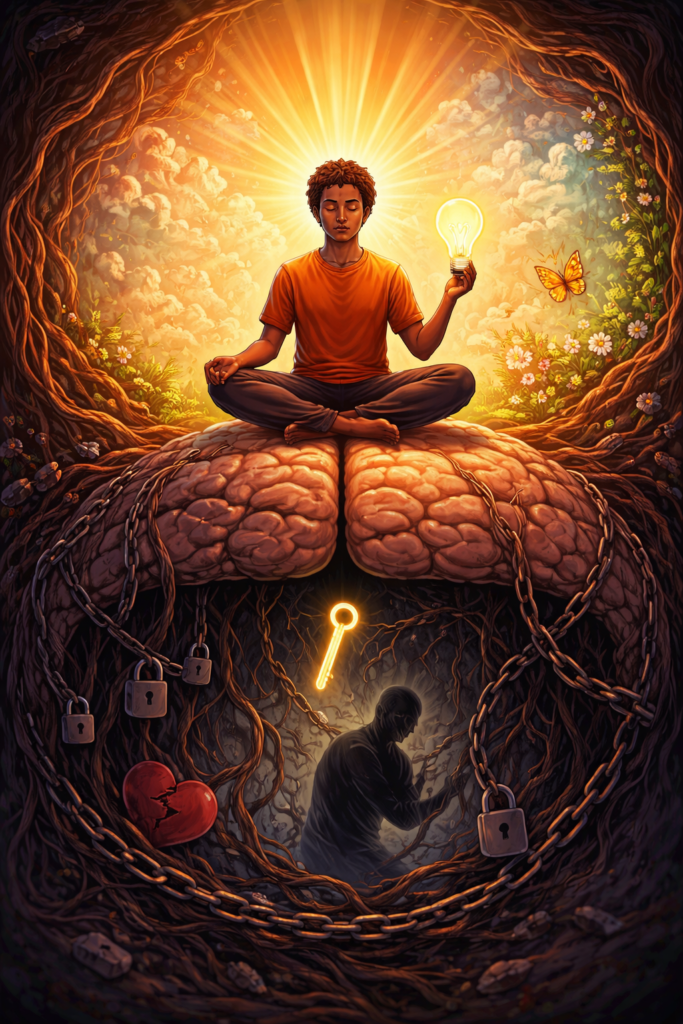
Awareness is often mistaken for change, but noticing a pattern doesn’t automatically dismantle it. This is why changing subconscious beliefs can feel frustrating at first—people recognize what’s happening yet continue responding the same way. The subconscious mind doesn’t update through insight alone; it updates through repetition, emotion, and safety. Awareness shines a light on the pattern, but the pattern remains intact until the system learns that a new response is not only possible, but safe to repeat.
To understand this, it helps to look at how the subconscious works. The subconscious is not analytical—it’s associative. It links beliefs to emotional outcomes and prioritizes what has been reinforced over time. Even when awareness introduces a better option, the subconscious often defaults to the familiar because familiarity equals predictability. Old patterns persist not because you don’t know better, but because the emotional body hasn’t yet been given a new reference point.
This is also how the subconscious mind creates reality in a quiet, consistent way. Beliefs guide perception, perception shapes decisions, and decisions reinforce the belief loop. Lasting change happens when awareness is paired with new experiences that emotionally contradict the old belief. Small, repeated actions that feel aligned begin to rewrite the internal script. Over time, the subconscious updates its expectations—and reality shifts without force. Awareness opens the door, but embodiment is what carries you through it.
The Invisible Rules Running Your Life While You Think You’re Choosing Freely

Most people experience choice as freedom, yet much of what feels like decision-making is actually pre-selection happening beneath awareness. The subconscious mind operates through learned rules—what feels acceptable, risky, familiar, or off-limits—long before a conscious preference is formed. These invisible rules quietly narrow your options, shaping what you consider realistic or “for people like you.” This is why two people can face the same situation and choose entirely different paths without realizing their choices were filtered long before logic stepped in.
Understanding how the subconscious works reveals that these rules weren’t consciously chosen; they were absorbed through repetition, emotion, and early experience. The subconscious prioritizes consistency over truth, replaying patterns that once helped you belong, avoid pain, or feel safe. Even when circumstances change, the rules often remain. This is why changing subconscious beliefs isn’t about forcing new decisions—it’s about questioning the assumptions that decide which options even feel available in the first place.
Over time, these hidden rules demonstrate how the subconscious mind creates reality through a feedback loop: beliefs shape perception, perception guides behavior, and behavior reinforces belief. The life you experience begins to mirror the rules you’ve been living by, not the goals you consciously hold. When those rules are brought into awareness and gently challenged through new experiences, choice expands. Freedom doesn’t come from trying harder—it comes from updating the unseen framework that has been quietly deciding for you all along.
How Familiar Thoughts Quietly Override Logic, Goals, and Good Intentions
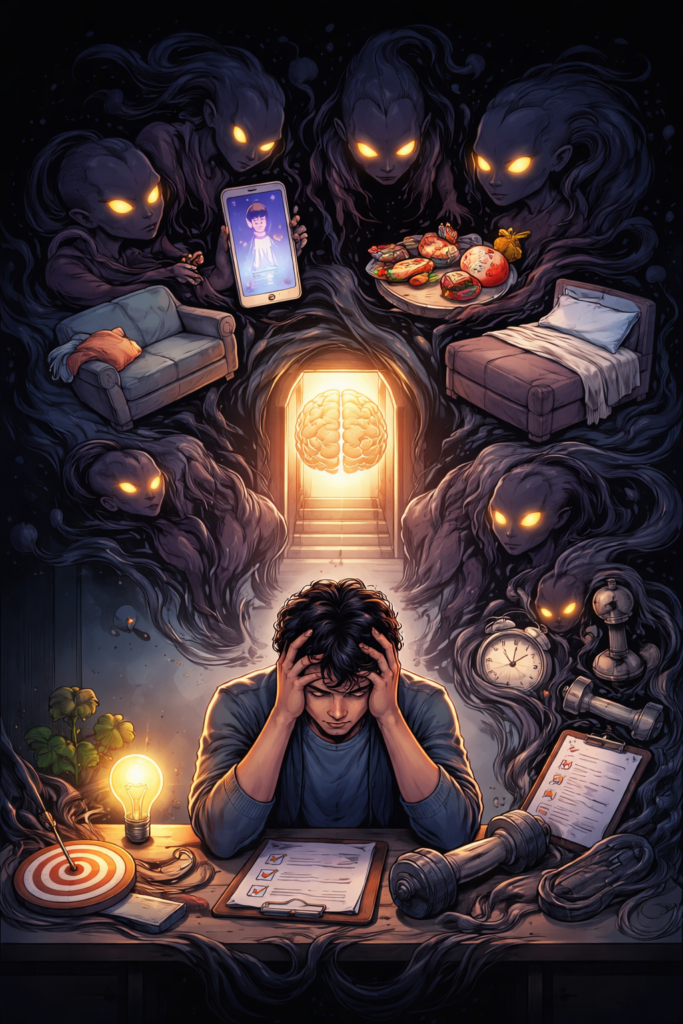
Familiar thoughts carry authority not because they are accurate, but because they are known. When faced with decisions, the subconscious mind often favors what feels recognizable over what makes logical sense. This is why people can clearly define goals, set strong intentions, and still act against them. The mind defaults to patterns that have been repeated and emotionally reinforced, quietly steering behavior while conscious reasoning plays catch-up.
To see why this happens, it helps to understand how the subconscious works. The subconscious processes information faster than conscious thought and evaluates choices based on emotional memory rather than logic. When a familiar thought appears—this won’t work, this isn’t for me, I’ve tried before—it feels trustworthy simply because it has been rehearsed. These thoughts override intention not through force, but through familiarity. This is why changing subconscious beliefs requires more than convincing arguments or better planning.
Over time, these repeated thought patterns demonstrate how the subconscious mind creates reality. Thoughts shape emotional responses, emotions influence decisions, and decisions reinforce the original belief. The loop continues quietly, producing outcomes that match the familiar inner narrative rather than the conscious goal. When familiar thoughts are gently challenged through new experiences and consistent awareness, the loop weakens. Logic regains influence, intentions gain traction, and reality begins to shift—not through effort alone, but through alignment at the subconscious level.
Why Your Daily Decisions Often Protect Comfort Instead of Growth
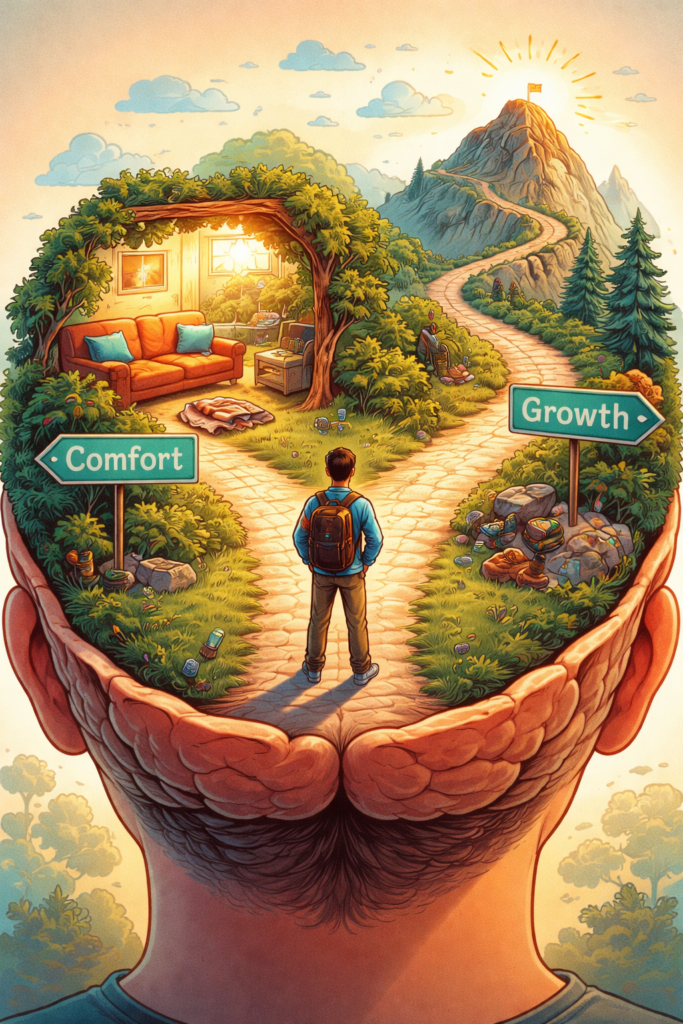
Most daily decisions aren’t evaluated by whether they move you forward, but by whether they maintain internal ease. The subconscious mind is constantly scanning for comfort, familiarity, and emotional safety, often favoring the path that reduces tension in the short term. This is why choosing rest over effort, avoidance over risk, or familiarity over challenge can feel instinctive. These choices aren’t conscious failures; they are automatic responses shaped by what the system has learned to equate with security.
Understanding how the subconscious works reveals that growth is rarely prioritized unless it also feels safe. The subconscious doesn’t measure long-term fulfillment—it measures immediate emotional cost. When a decision introduces uncertainty, visibility, or discomfort, the system subtly redirects behavior toward relief. Over time, these small comfort-based decisions accumulate, reinforcing patterns that feel stable but limiting. This is where changing subconscious beliefs becomes essential, because no amount of conscious intention can override a system that is protecting against perceived threat.
This process illustrates how the subconscious mind creates reality through repetition. Comfort-driven decisions shape habits, habits reinforce identity, and identity narrows what feels possible. Growth doesn’t disappear because you lack ambition—it’s delayed because comfort keeps winning quietly. When subconscious beliefs begin to shift, discomfort is no longer interpreted as danger but as information. At that point, decisions expand, growth becomes tolerable, and reality starts to reflect not what feels safest—but what truly matters.
How Bringing the Unseen to the Surface Restores Choice, Confidence, and Control
Much of what shapes your life operates quietly beneath awareness—guiding reactions, narrowing choices, and influencing decisions before conscious thought arrives. When these unseen patterns remain hidden, life can feel reactive rather than intentional, as if momentum is pulling you instead of the other way around. Bringing what operates in the background into awareness changes that relationship. It shifts you from being driven by habit to becoming an active participant in your own direction.
As inner patterns surface, something subtle but powerful happens: distance is created between impulse and action. That space is where choice lives. You begin to notice not just what you’re doing, but why you’re doing it. Confidence grows here—not from certainty or control over outcomes, but from understanding yourself more clearly. When reactions are no longer automatic, you regain the ability to respond rather than repeat.
This process restores control in a grounded, sustainable way. Not the kind that relies on force or constant self-correction, but the kind rooted in awareness and alignment. When unseen influences are acknowledged, they lose their grip. Decisions become clearer, actions feel more intentional, and trust replaces inner friction. Bringing the unseen to the surface doesn’t change who you are—it allows you to choose who you become, with clarity and self-respect guiding the way forward.
Conclusion
Daily decisions often feel intentional, yet much of what guides them has already been decided beneath awareness. Invisible rules, familiar thought loops, and comfort-driven reactions quietly narrow what feels possible, logical, or safe. Awareness alone reveals these patterns, but lasting change happens when new experiences gently challenge them. As familiar thoughts lose authority, logic and intention regain influence, and choices begin to reflect direction rather than default.
When unseen patterns are brought to the surface, control is restored without force. Decisions no longer revolve around avoiding discomfort but around aligning with what truly matters. Confidence grows from clarity, not certainty, and choice expands as old internal limits dissolve. What once felt automatic becomes optional. In that shift, life stops being managed by habit and starts being shaped by awareness—one conscious decision at a time.
Leave a Reply