-
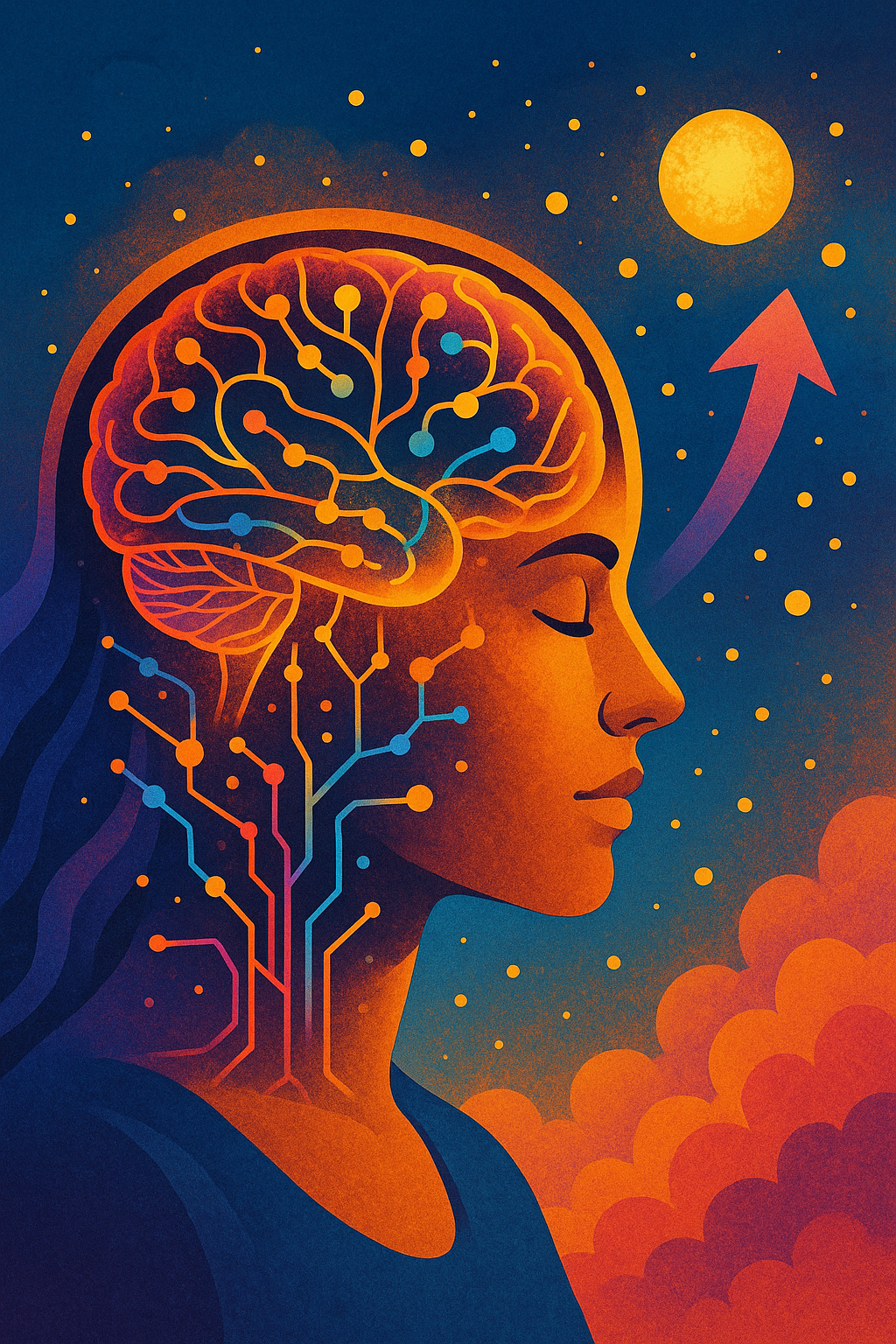
Neuroplasticity and Manifestation
Introduction Neuroplasticity has become one of the most important discoveries in modern neuroscience. It refers to the brain’s ability to change, reorganize, and form new neural connections throughout life—a concept grounded in neuroplasticity theory. Rather than being fixed after childhood, the brain continuously adapts based on experience, repetition, and focus. This means that thoughts, emotions,…
-
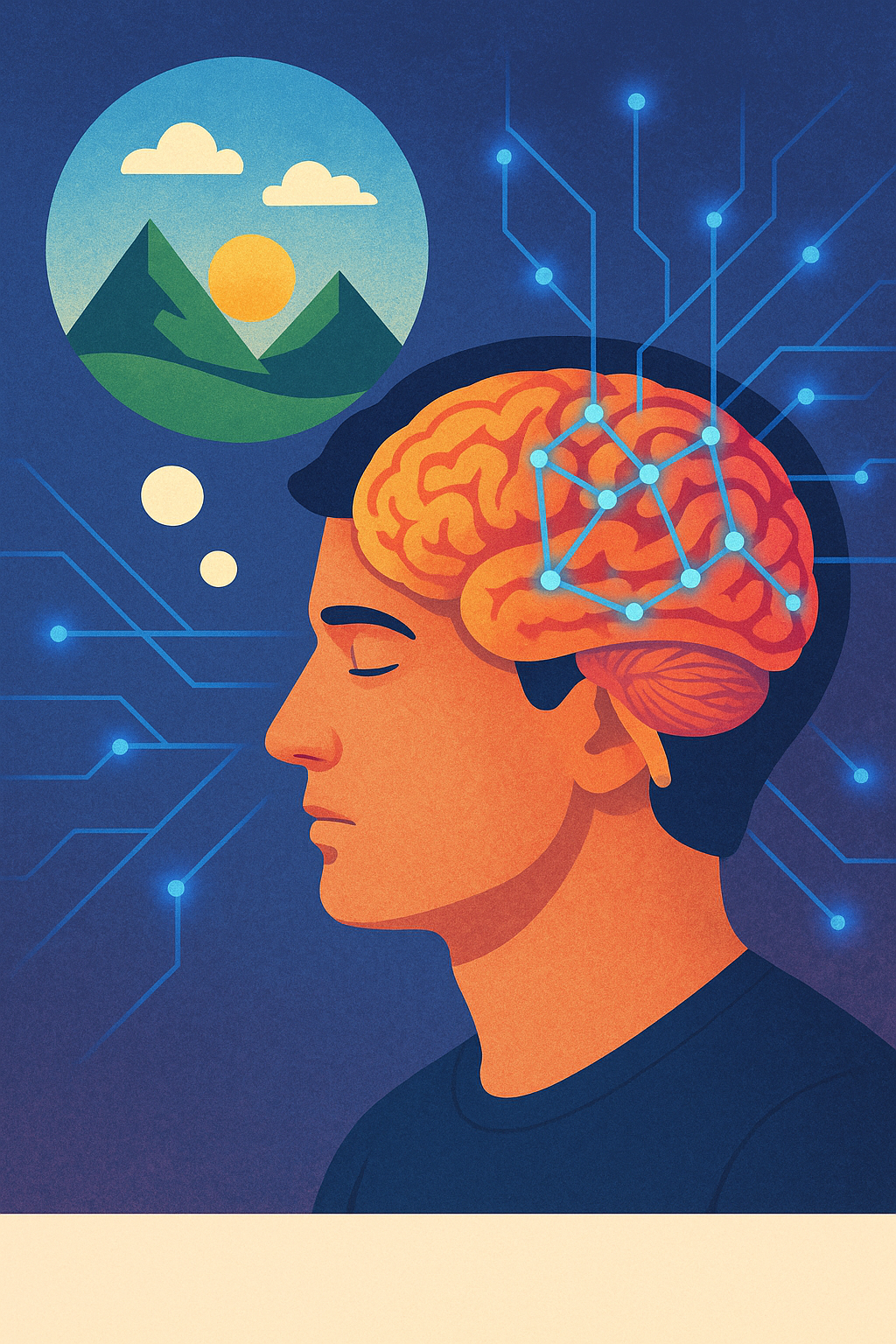
Visualization and Brain Activation Studies
Introduction Visualization has captured the interest of scientists, athletes, and mindset practitioners alike—and with good reason. Modern neuroscience has given us clearer insight into how the mind responds when we imagine experiences vividly. Visualization and brain activation studies show that mental imagery activates many of the same brain regions involved during real-life actions. This means…
-

How Optimism Shapes Reality
Optimism is more than simply looking at the bright side of things—it is a mindset that can influence how you experience life, make decisions, and create outcomes. Many people wonder how optimism shapes reality because the idea sounds almost magical. Yet, research, psychology, and real-life stories consistently show that how we think affects what we…
-
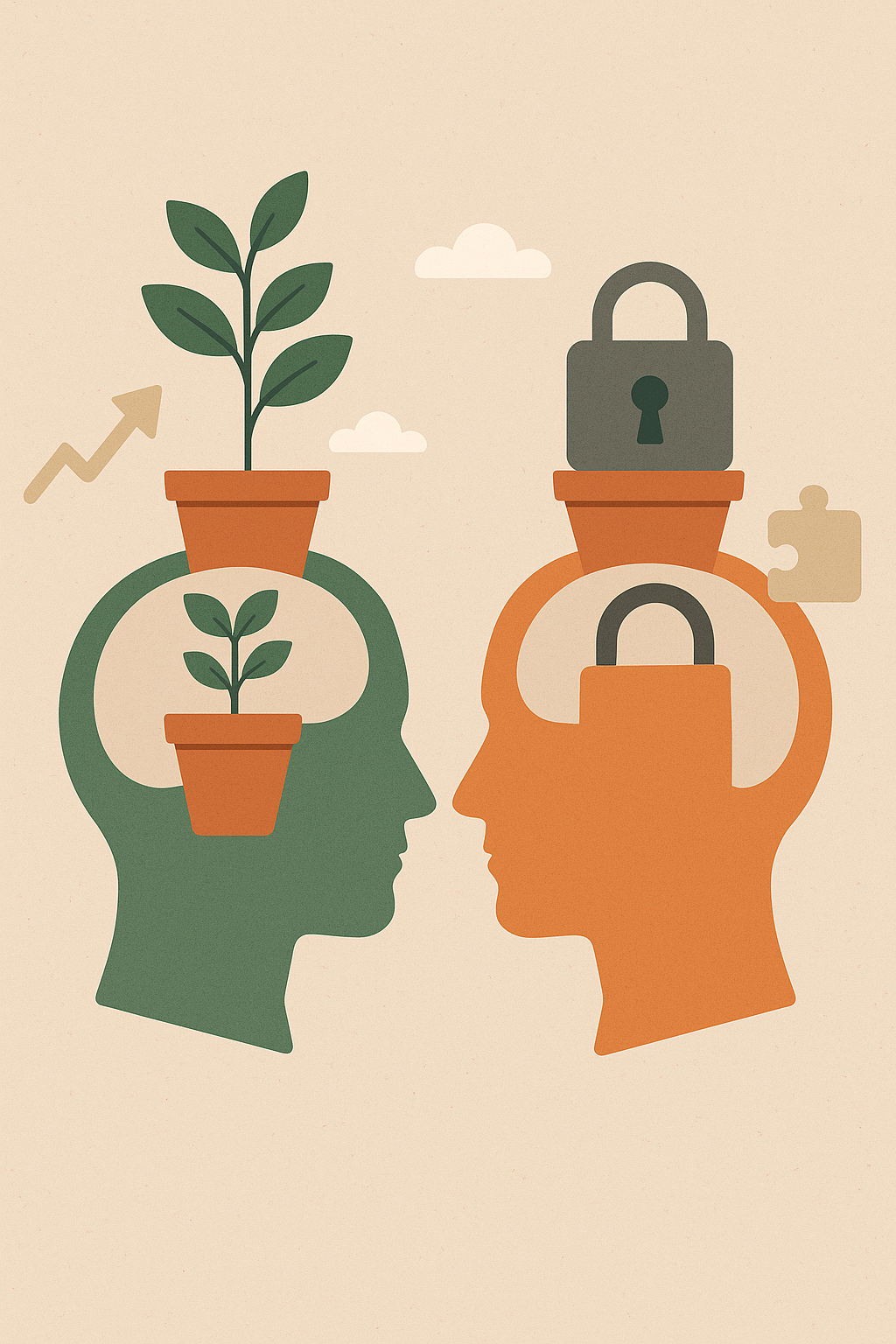
The Psychology of Growth vs Fixed Mindset
Understanding how people think about their abilities, challenges, and potential is one of the most important factors in personal development. This is where the psychology of growth vs fixed mindset comes in. Your mindset influences how you respond to obstacles, how you view failure, and how willing you are to try something new. Whether you…
-

Using Affirmations to Reinforce Habits
Building habits is one of the most powerful ways to change your life, but the process can feel slow, inconsistent, and draining—especially when motivation dips. While techniques like habit stacking and the 21/90 rule help create structure, there is another psychological tool that can strengthen habit formation on a deeper level: using affirmations to reinforce…
-

The 21/90 Rule for Lasting Habits
Building Lasting Habits with the 21/90 Framework Building lasting habits is something almost everyone struggles with. We start strong, filled with motivation and excitement, but somewhere along the way the consistency fades. This is where the 21/90 rule for lasting habits comes in—a simple but powerful framework suggesting that it takes 21 days to build…
-
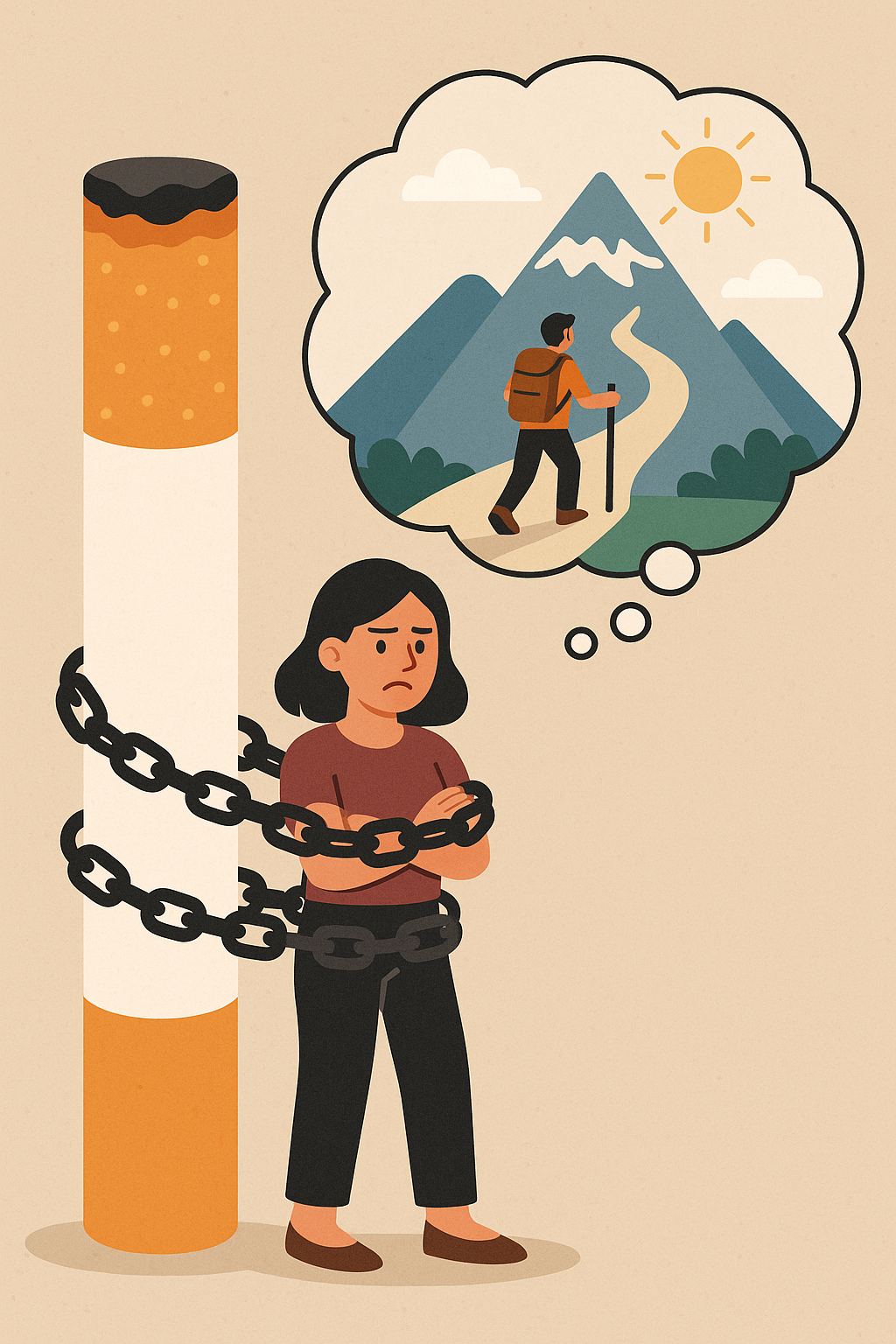
Breaking Bad Habits with Positive Visualization
Why Breaking Bad Habits Feels Hard (and How Visualization Helps) Breaking bad habits with positive visualization offers a practical way to work with the brain rather than against it. Breaking a bad habit often feels like pushing against a brick wall because repeated behaviors form strong neural pathways that prioritize efficiency and familiarity. Once a…
-
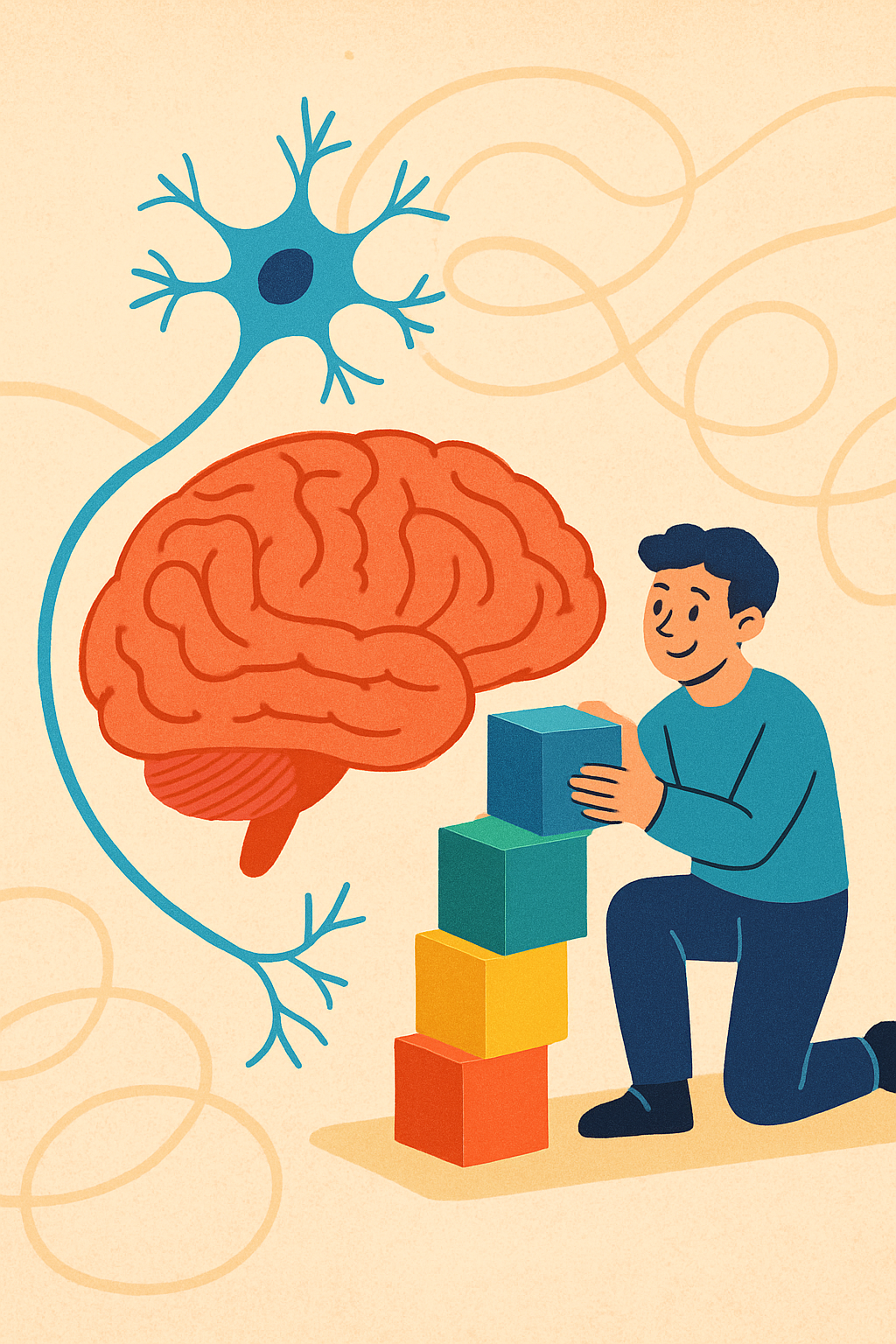
Why Habit Stacking Works: The Neuroscience Behind It
Many people struggle to build new habits because they attempt to rely on motivation alone. But reveals that the brain thrives on patterns, cues, and repetition—not willpower. When you attach a new behavior to an existing habit, you take advantage of neural pathways that are already strong and active. This makes habit formation smoother and more…
Looking for something?
Latest Articles
- Becoming Your Future Self: Why Your Mind Moves Before Your Life Does

- Instant Change Psychology: The Hidden Build Behind Breakthroughs

- Quantum Leap Identity Shift: Why Your Identity Moves Before Your Results

- Quantum Leaping Meaning: The Identity Shift Behind Sudden Change

- Inner Dialogue Shapes Reality: The Voice That Programs Your Life

Follow Us
Advertisement