Understanding Cognitive Biases and Attraction
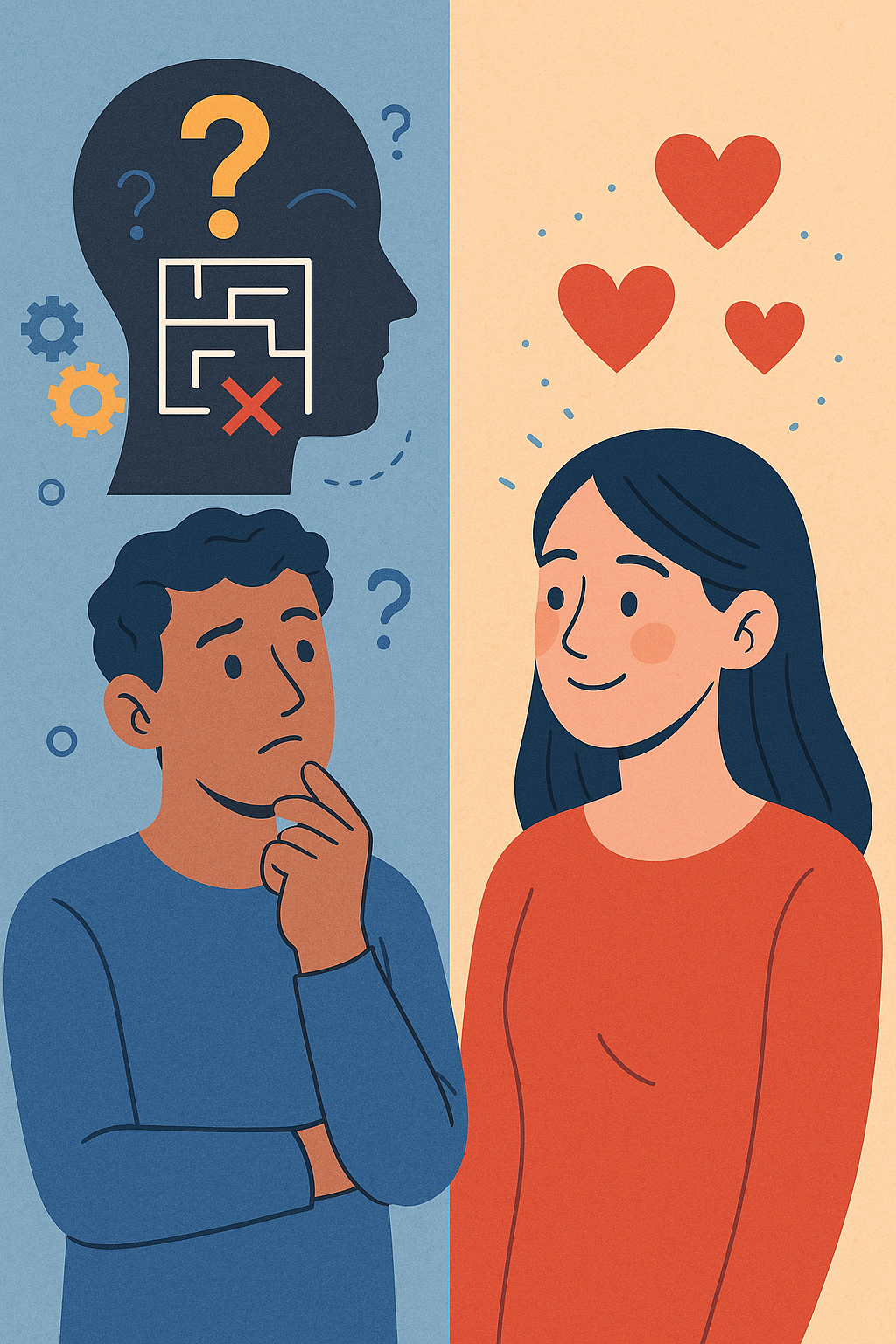
Cognitive biases that influence attraction play a much larger role in our relationships than most people realize. These mental shortcuts shape how we interpret others, how we form impressions, and even how we decide who we feel drawn to. While attraction often feels emotional or instinctive, it’s also deeply connected to the way the brain processes information.
When we talk about cognitive biases that influence attraction, we’re really talking about the mind’s tendency to fill gaps, make patterns, and create meaning quickly. These shortcuts help us navigate the world efficiently, but they also influence our romantic, social, and emotional decisions in surprising ways.
Understanding these cognitive tendencies isn’t about judging yourself—it’s about gaining clarity. When you recognize how perception shapes attraction, you become more aware of your experiences, choices, and relationships in a healthier, more empowering way.
How Bias Shapes First Impressions
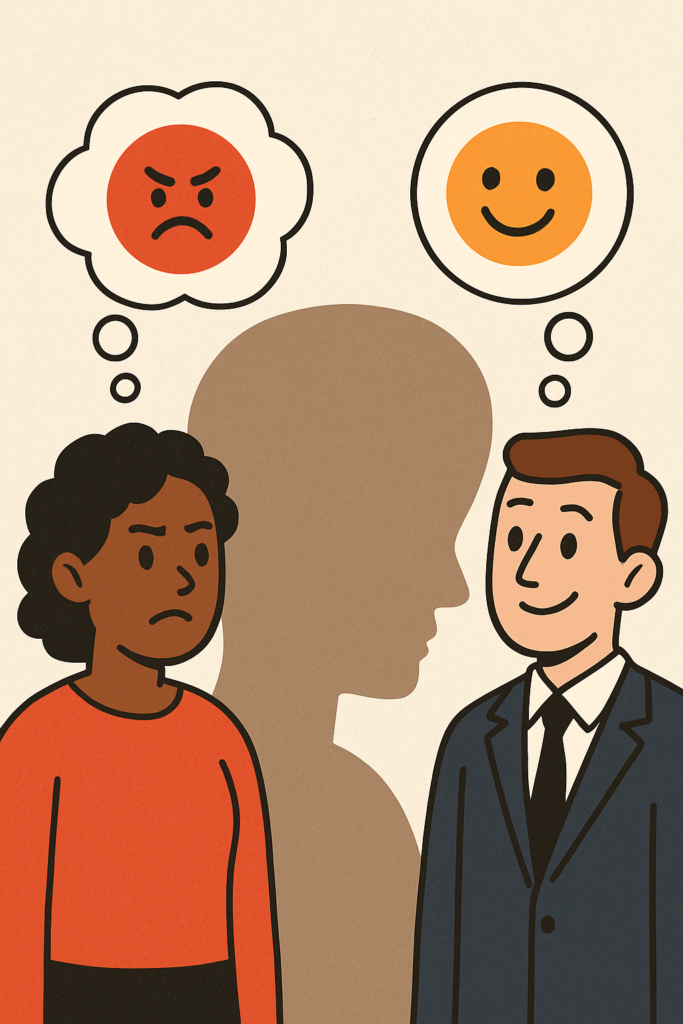
First impressions form within seconds, and cognitive biases that influence attraction play a powerful role in determining whether someone feels appealing almost instantly. Before conscious thought catches up, the brain rapidly evaluates cues such as facial symmetry, posture, eye contact, tone of voice, and even subtle movement patterns. These signals are processed automatically, drawing on past experiences, cultural conditioning, and evolutionary preferences to create an immediate emotional response. What feels like a “gut feeling” is actually the result of fast, unconscious pattern recognition at work—one of many cognitive biases examples that show how the mind simplifies complex social information.
This is why many people exploring cognitive biases that influence attraction are surprised by how quickly attraction can form—or fade—without a clear logical reason. The mind has already made dozens of micro-judgments long before deliberate thinking begins, shaping perception in ways that feel instinctive rather than rational. These rapid evaluations are common cognitive biases examples, illustrating how mental shortcuts are used to assess compatibility, safety, and interest in a fraction of a second. Understanding this process helps explain why attraction often feels effortless or unexplainable, driven more by unconscious filtering than by conscious choice.
Familiarity Bias and Emotional Safety
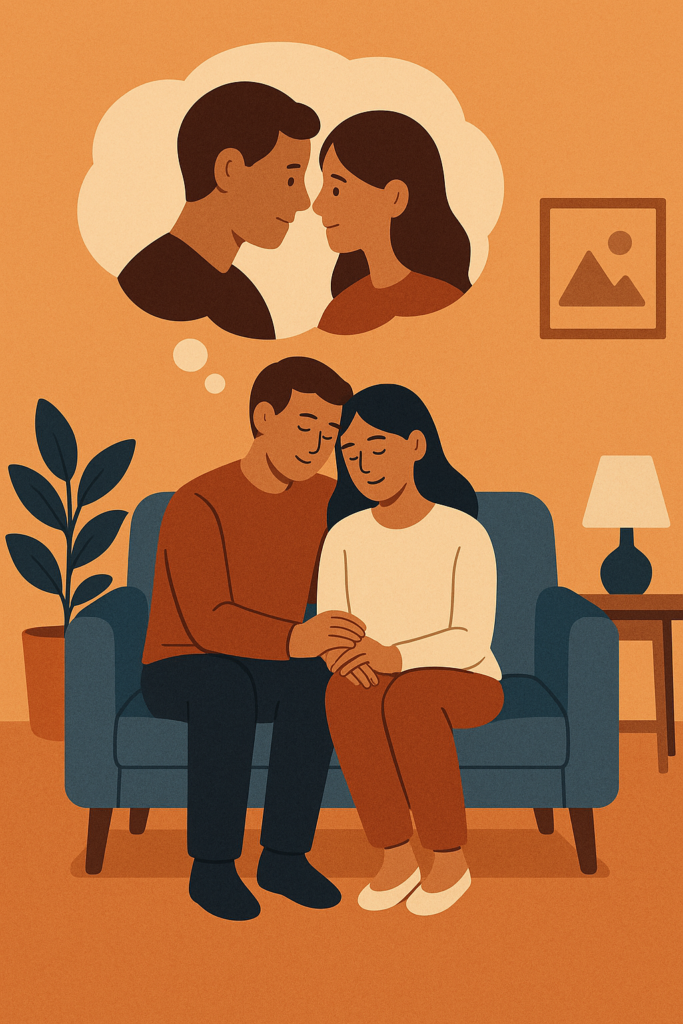
One of the strongest cognitive biases that influence attraction is familiarity bias—the tendency to feel drawn to people who feel known, comfortable, or emotionally recognizable. The mind often associates familiarity with safety, which is why individuals may feel an immediate connection to someone who reminds them of past partners, familiar personality traits, or even family dynamics from childhood. These unconscious associations create a sense of ease that can be mistaken for chemistry, even before deeper compatibility is assessed.
Understanding cognitive biases that influence attraction helps explain why attraction can feel automatic rather than deliberate. The brain relies on shortcuts to quickly evaluate potential connections, and familiarity acts as a powerful signal that lowers emotional resistance. This doesn’t mean attraction is fixed or predictable; instead, it highlights how internal conditioning shapes preference. Recognizing these patterns allows people to question whether attraction is driven by genuine alignment or simply by habit.
By becoming aware of cognitive biases that influence attraction, individuals can develop greater clarity in relationships. Familiarity can create comfort, but it can also keep people repeating the same relational patterns. Awareness creates choice—allowing attraction to be guided not only by instinctive comfort, but also by conscious values, emotional health, and long-term compatibility.
Halo Effect and Physical Attraction
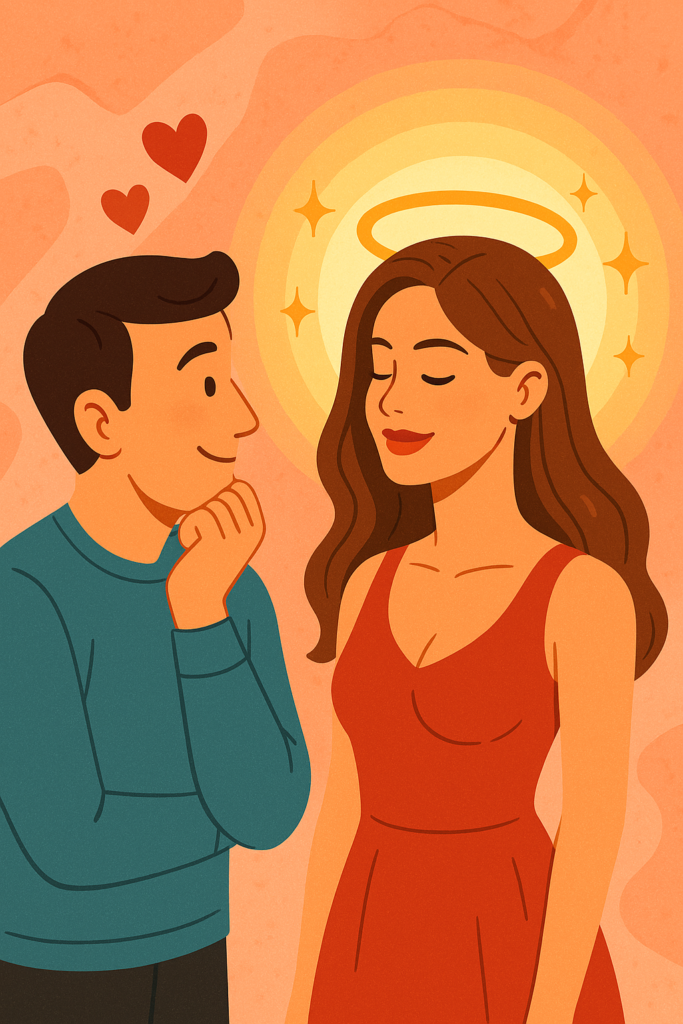
The halo effect is a well-documented psychological bias in which we subconsciously assume that someone who is physically attractive also possesses other positive traits such as intelligence, kindness, competence, or confidence. This bias strongly influences attraction because the brain uses appearance as a shortcut for evaluating character, often without any supporting evidence.
As one of the most common cognitive biases examples, the halo effect explains why attractive individuals may be perceived more favorably in social, professional, and romantic settings. While this process happens automatically, becoming aware of it allows people to slow down their judgments, question assumptions, and build relationships based on genuine compatibility rather than surface-level impressions.
Confirmation Bias in Romantic Interest
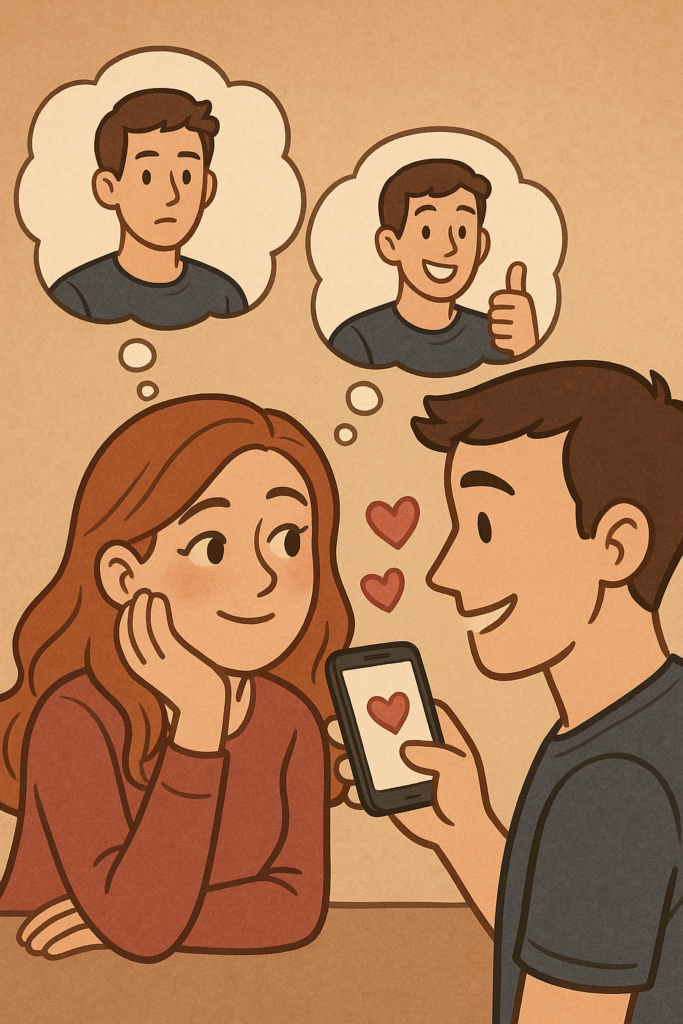
Confirmation bias is a powerful mental shortcut that causes people to favor information that supports their existing beliefs while dismissing evidence that challenges them. In the context of attraction, this bias can be especially influential because emotions heighten selective attention. Someone who feels drawn to another person may focus intensely on behaviors or comments that reinforce their attraction, while minimizing or rationalizing inconsistencies, warning signs, or incompatible values. As one of the most impactful cognitive biases in decision making, confirmation bias explains why people sometimes remain invested in connections that do not objectively serve their long-term well-being.
Becoming aware of this pattern encourages more balanced and intentional choices. When emotions are involved, pausing to evaluate both confirming and disconfirming evidence helps create clarity rather than impulsive attachment. Recognizing cognitive biases in decision making allows individuals to separate genuine compatibility from emotional projection, making space for healthier relationship dynamics. Instead of letting feelings alone dictate judgment, awareness supports decisions that are grounded in observation, reflection, and self-respect.
Cognitive Biases in Psychology
Cognitive biases in psychology refer to systematic patterns of thinking that influence how people perceive information, form judgments, and make decisions. These biases develop because the brain is designed to process information efficiently rather than perfectly. Faced with constant input, the mind relies on shortcuts to save time and energy. While these shortcuts are useful, they can also distort reality, leading to errors in reasoning, memory, and perception without the individual realizing it.
In the study of cognitive biases in psychology, researchers examine how these mental patterns affect emotions, behavior, and decision-making across different contexts. Biases such as confirmation bias, anchoring, and the halo effect shape how people interpret evidence, evaluate others, and assess risk. These biases are not signs of poor intelligence; rather, they are natural outcomes of how the human brain evolved to function. However, they can strongly influence outcomes in areas such as relationships, mental health, workplace performance, and problem-solving.
Understanding cognitive biases in psychology is essential for improving self-awareness and critical thinking. When individuals learn to recognize biased patterns in their own thoughts, they gain the ability to pause, question assumptions, and consider alternative perspectives. This awareness does not eliminate bias entirely, but it reduces its unconscious influence. Over time, recognizing these patterns supports healthier decision-making, emotional regulation, and more balanced interactions with others.
Cognitive Biases and Heuristics
Cognitive biases and heuristics are mental shortcuts the brain uses to process information quickly and efficiently. Because the human mind is constantly exposed to large amounts of data, it relies on these shortcuts to make decisions without exhausting cognitive resources. Heuristics help simplify complex situations, but they can also lead to systematic errors in judgment. Cognitive biases arise when these shortcuts distort perception, memory, or reasoning, causing individuals to make decisions that may not align with objective reality.
Understanding cognitive biases and heuristics is essential because they influence nearly every area of life, including relationships, finances, career choices, and problem-solving. Common examples include confirmation bias, where people seek information that supports existing beliefs, and availability bias, where decisions are based on easily recalled information rather than accurate data. While these mental patterns are often unconscious, they significantly affect how people interpret situations and respond to challenges.
By recognizing cognitive biases and heuristics, individuals can improve critical thinking and decision-making skills. Awareness allows people to slow down, question assumptions, and consider alternative perspectives before acting. Although these mental shortcuts cannot be eliminated entirely, learning to identify them reduces their influence and leads to more thoughtful, balanced choices. Over time, this awareness fosters greater self-understanding and more intentional engagement with the world.
The Science Behind Attraction and Cognitive Processing
Attraction often feels mysterious, but much of it can be explained through the brain’s natural processing patterns. When psychologists study cognitive biases that influence attraction, they look at how the brain interprets visual cues, emotional energy, and social context. These quick judgments help people navigate relationships and social interactions without becoming overwhelmed by information.
A key factor is efficiency. The brain relies on shortcuts to make sense of the world. These shortcuts can shape attraction in ways people don’t consciously recognize. For instance, the brain may associate certain traits with safety or compatibility based on past experiences, cultural influences, or emotional memories. This makes attraction feel instantaneous even though multiple mental processes are at work.
Understanding the science behind these mechanisms empowers you to interpret your own attraction patterns with more clarity. Instead of feeling confused by your instincts, you can see how your brain uses previous experiences to guide your current feelings.
Emotional Memory and Attraction Patterns
Emotions play an enormous role in shaping cognitive biases that influence attraction. When someone triggers familiar emotions—whether comfort, excitement, or even nostalgia—the brain responds quickly. Emotional memory helps people recognize patterns, and sometimes, those patterns influence who they are drawn to.
This is why certain people “feel familiar” even when you’ve just met them. The emotional part of your brain responds before your rational mind has a chance to analyze the situation. While this reaction can lead to meaningful connections, it can also repeat unhealthy relationship patterns if not examined consciously.
Because of this, learning how to cognitive biases that influence attraction work on an emotional level helps you understand why some connections feel magnetic while others feel neutral.
Social Conditioning and Attraction Preferences
Society and culture shape attraction more than most people realize. Social conditioning teaches people what traits are desirable, acceptable, or admirable. These expectations form subtle biases that influence the type of people someone feels attracted to.
For example, if someone grows up seeing certain personality traits praised—such as confidence or humor—their brain may associate those traits with positive experiences. Over time, these associations become cognitive biases that influence attraction, especially in first impressions.
This doesn’t mean attraction is artificial or shallow. Rather, it shows how deeply interconnected the mind is with cultural and environmental influences. Recognizing this gives people more freedom to choose what truly matters to them rather than defaulting to learned expectations.
How Cognitive Biases Impact Long-Term Relationships
Attraction doesn’t stop after the first meeting. Cognitive biases continue influencing how people maintain long-term relationships. For instance, confirmation bias may cause someone to overlook negative behaviors if they already feel strongly toward a partner. Similarly, the halo effect may cause someone to excuse traits they would normally find concerning.
Cognitive biases that influence attraction guide many relationship choices, including commitment, forgiveness patterns, and communication styles. Becoming aware of these internal patterns helps create healthier relationships by encouraging balance and emotional awareness.
Awareness doesn’t eliminate cognitive bias, but it does help people differentiate between instinctive responses and thoughtful decisions.
Becoming More Conscious in Your Attraction Decisions
Awareness is the most powerful strategy for navigating attraction. When you understand how your mind interprets signals, you gain more clarity and control over your choices. Attraction doesn’t have to feel random; it can feel intentional and deeply aligned with your values.
This doesn’t mean suppressing instinct. It means blending instinct with awareness so your relationships become richer, healthier, and more fulfilling. Cognitive biases aren’t flaws—they are mental shortcuts. When used consciously, they help you build stronger connections with yourself and others.
In summary, becoming aware of how cognitive biases shape attraction empowers you to build healthier, more intentional connections. With greater self-awareness, you can approach relationships with clarity, balance, and a deeper sense of emotional understanding.
Adding even a bit more awareness to how these cognitive patterns show up in daily interactions can transform the way you understand attraction. When you pause to observe your instinctive reactions, you create space for healthier interpretations and more intentional choices. This small shift helps you differentiate genuine compatibility from automatic cognitive responses. The goal is not to eliminate these biases—they are part of being human—but to recognize when they are influencing your emotions. With practice, you begin forming connections based on clarity and authenticity rather than unconscious mental shortcuts.
Leave a Reply