
Understanding the Debate: Law of Attraction vs Psychology: What’s Real?
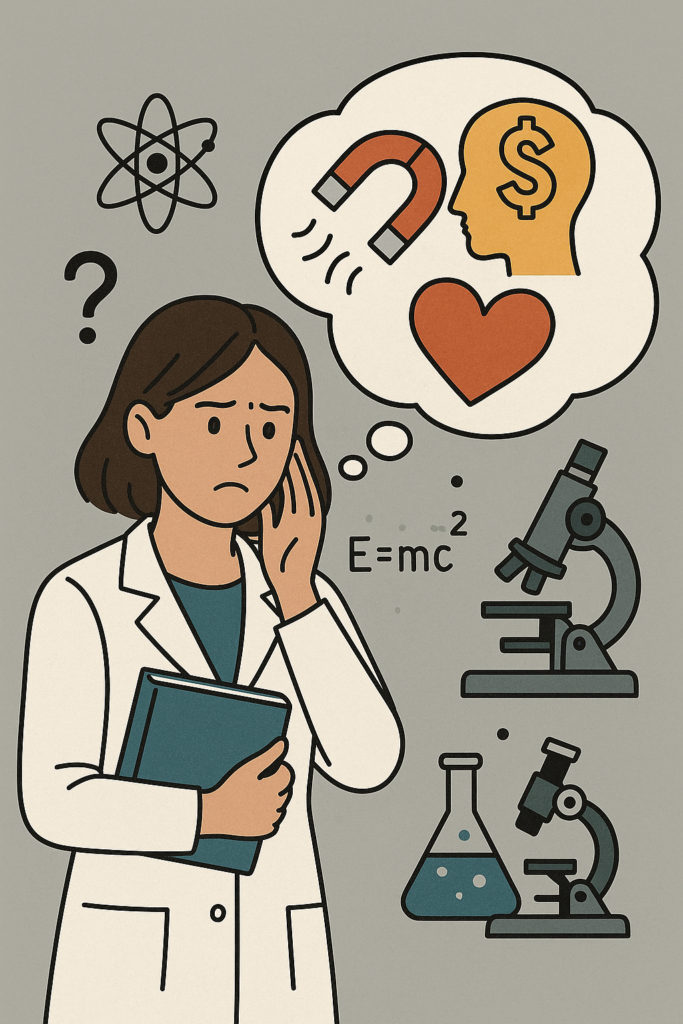
Conversations about the Law of Attraction often sit at the intersection of personal belief and scientific skepticism. Many people wonder whether the concept holds any psychological validity, especially when compared to evidence‑based principles in cognitive science. When exploring law of attraction vs psychology: what’s real, it’s important to understand that both perspectives attempt to explain how thoughts influence emotions, behaviors, and ultimately outcomes.
The Law of Attraction proposes that focused thought and emotional alignment can attract corresponding experiences. Psychology, however, examines these ideas through measurable mechanisms such as cognitive biases, neuroplasticity, emotional regulation, and behavioral conditioning. These scientific frameworks do not confirm metaphysical attraction, but they do support the idea that mindset and perception significantly shape human experience.
This blend of intuition and science is the foundation of understanding law of attraction vs psychology: what’s real. Instead of viewing them as opposing forces, it helps to see them as parallel explanations—one rooted in metaphysical belief, the other in empirical study.
Exploring the Law of Attraction vs Psychology: What’s Real?
Much of the law of attraction and psychology discussion centers on how the brain filters and prioritizes information. Psychology explains that selective attention plays a major role in shaping how we experience reality. When you consciously or unconsciously focus on certain goals, fears, or desires, your mind becomes sensitized to related information. This means you begin noticing patterns, opportunities, or obstacles that were always present but previously ignored. What feels like reality “shifting” is often the result of attention narrowing and perception becoming more goal-oriented.
A key concept often referenced in these conversations is the Reticular Activating System (RAS), a neural network responsible for filtering the vast amount of sensory input the brain receives. Many ideas discussed in a law of attraction psychology book point to the RAS as a scientific explanation for why focused thinking feels powerful. The RAS prioritizes information that aligns with repeated thoughts and emotional emphasis. When your mind consistently returns to a particular theme, the brain learns that it matters, increasing awareness of anything connected to it. This creates the experience of “seeing more” of what you focus on—not because it appeared magically, but because your brain adjusted what it allowed into conscious awareness.
This understanding also helps clarify the difference between law of attraction vs. manifestation as they are often used interchangeably but mean different things in practice. Psychology suggests that intention alone does not create results; action, behavior, and decision-making are essential. While the law of attraction emphasizes mindset and focus, manifestation incorporates those elements alongside deliberate action. From a psychological perspective, results occur when attention shapes perception, perception guides behavior, and behavior leads to outcomes. This framing grounds the conversation in observable cognitive processes rather than abstract or mystical explanations.
The Expectancy Effect and Motivated Behavior
One of the strongest scientific explanations behind manifestation-like outcomes is the expectancy effect, a concept frequently discussed within law of attraction and psychology. Psychology consistently shows that people who expect positive results tend to behave in ways that increase the likelihood of those results occurring. This does not prove metaphysical attraction, but it helps explain why manifestation practices feel effective for many. When belief is present, individuals persist longer, manage setbacks better, and make decisions that support their goals rather than undermine them.
This distinction becomes clearer when examining law of attraction vs psychology: what’s real, where researchers emphasize behavior as the critical link between expectation and outcome. Many insights found in a well-written law of attraction psychology book point to the same conclusion: belief reshapes internal narratives, which then influence action. Understanding law of attraction vs. manifestation further clarifies the process—attraction focuses on expectation and mindset, while manifestation includes the concrete behaviors that turn belief into measurable results.
Neuroplasticity and Thought Repetition
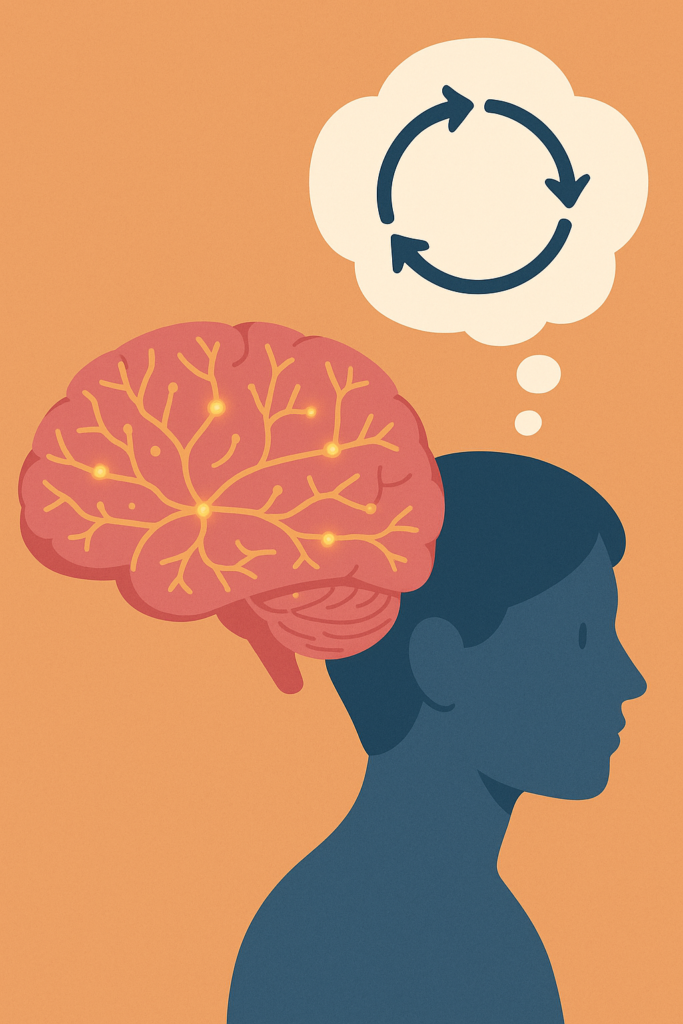
Neuroplasticity refers to the brain’s ability to reorganize itself in response to repeated thoughts, emotions, and behaviors. This capacity for change is one of the psychological mechanisms most closely aligned with discussions around law of attraction and psychology, because it shows how mental focus can gradually reshape perception and behavior. When a person repeatedly thinks in certain patterns, the brain strengthens the neural connections associated with those patterns, making them easier to access over time. This means beliefs, habits, and expectations are not fixed—they are reinforced through repetition and can be intentionally rewired.
Practices commonly associated with manifestation, such as visualization, affirmations, and intentional focus, directly stimulate this process. Each time a person mentally rehearses a goal, the brain activates neural pathways linked to that outcome, increasing familiarity and reducing resistance. This is why many law of attraction psychology book discussions emphasize consistency over intensity. Repeated mental engagement trains the brain to view desired outcomes as more realistic and attainable, which in turn influences confidence, motivation, and follow-through.
Understanding neuroplasticity also helps clarify law of attraction vs psychology: what’s real conversations, especially when comparing intention with action. Psychology shows that change occurs when mental rehearsal is paired with behavior, not when thoughts exist in isolation. This distinction becomes even clearer when examining law of attraction vs. manifestation: while attraction focuses on mindset and attention, manifestation includes the behavioral reinforcement that neuroplasticity requires. From this perspective, repetition works not because the universe responds to thoughts, but because the brain adapts to what it practices most—making aligned action feel more natural and sustainable over time.
Emotion as a Driver of Cognitive Processes
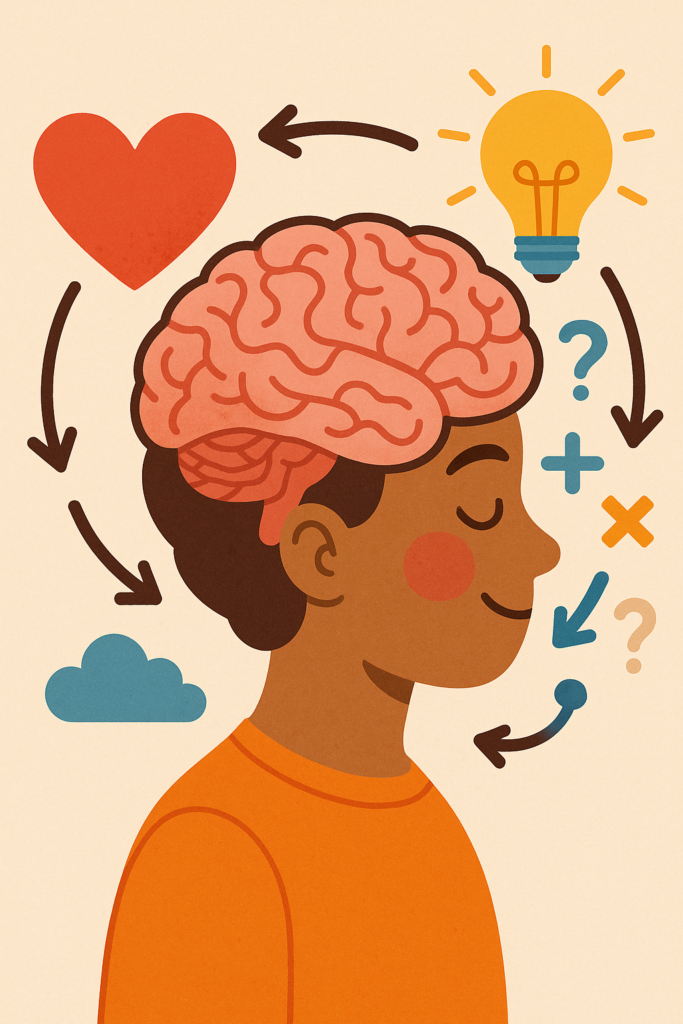
Emotion plays a powerful role in how information is encoded, stored, and retrieved in the brain, which is why it is central to discussions around law of attraction and psychology. Psychological research shows that emotional states directly influence attention, memory, and decision-making. Positive emotions such as hope, curiosity, and confidence broaden cognitive flexibility, making people more open to new ideas and opportunities. This helps explain why emotional alignment is emphasized in manifestation practices—not as a mystical force, but as a way to support clearer thinking and adaptive behavior.
Many concepts explored in a law of attraction psychology book highlight this emotional–cognitive connection by focusing on how feelings shape perception. When emotions are regulated and constructive, the brain is better equipped to problem-solve, persist through challenges, and respond creatively. In contrast, chronic stress or fear narrows attention and reinforces avoidance patterns. This scientific understanding bridges the gap between emotional practices in manifestation and established psychological principles, showing that mindset and emotion influence outcomes through measurable mental processes.
This perspective also clarifies law of attraction vs psychology: what’s real discussions, particularly when distinguishing intention from action. Psychology suggests that emotions do not “attract” results on their own, but they strongly affect how people behave in pursuit of goals. This distinction becomes clearer when comparing law of attraction vs. manifestation: attraction emphasizes emotional and mental alignment, while manifestation includes the behavioral follow-through that emotions help enable. Emotional regulation appears in many practical guides not because it guarantees outcomes, but because it improves resilience, clarity, and consistency—key ingredients for real-world progress.
Cognitive Biases That Shape Beliefs About Reality

Psychology identifies several cognitive biases that help explain why manifestation experiences often feel real and personally meaningful. Within discussions of law of attraction and psychology, confirmation bias is one of the most frequently cited mechanisms. This bias causes people to selectively notice information that supports their existing beliefs while overlooking evidence that contradicts them. When someone believes their thoughts are shaping outcomes, they naturally pay more attention to events that appear to confirm that belief, reinforcing the perception that intention is influencing reality.
Another relevant bias is optimism bias, which leads individuals to expect positive outcomes more readily than negative ones. This expectation often results in increased confidence, persistence, and willingness to engage with opportunities. Many ideas presented in a law of attraction psychology book implicitly rely on this effect, even when they do not label it as such. When people feel optimistic, they tend to take more initiative, tolerate setbacks better, and remain engaged longer—all behaviors that statistically increase the likelihood of success. From a psychological standpoint, the outcome is shaped by behavior driven by belief, not by belief alone.
These insights are central to law of attraction vs psychology: what’s real conversations because they help separate subjective experience from objective explanation. Understanding these biases does not invalidate manifestation practices; instead, it grounds them in observable mental processes. This distinction becomes even clearer when examining law of attraction vs. manifestation. Psychology suggests that belief influences perception and behavior, while manifestation includes the deliberate actions that follow those beliefs. In this way, cognitive biases provide context for why manifestation feels effective, showing how thought patterns guide behavior and shape results without requiring supernatural assumptions.
Scientific Perspectives on Metaphysics and Cognitive Interpretation
The scientific community typically approaches metaphysical concepts through observable patterns rather than energetic or spiritual claims. This distinction becomes essential when examining law of attraction and psychology, because psychology prioritizes measurable cognitive processes while metaphysical teachings often rely on intuition and subjective experience. When researchers analyze law of attraction vs psychology: what’s real, they focus on how thought patterns influence perception, decision-making, emotional regulation, and behavior. These mechanisms provide structured explanations for experiences that are often attributed to manifestation, without assuming external forces responding to thought alone.
Neuroscience also helps explain why metaphysical ideas feel compelling to so many people. Humans are naturally wired to seek patterns, meaning, and agency behind events, a tendency known as patternicity. This cognitive bias can create a perceived connection between thoughts and outcomes, even when no direct causal link exists. Many insights presented in a law of attraction psychology book explore this tendency, helping readers understand why manifestation feels intuitive. Clarifying law of attraction vs. manifestation further grounds the discussion: attraction emphasizes belief and interpretation, while manifestation includes the behavioral and environmental factors that turn perception into real-world results.
Law of Attraction and Psychology
If you’re seeking practical law of attraction vs psychology: what’s real insights, a blended approach tends to be the most effective. From the perspective of law of attraction and psychology, progress begins with defining goals clearly, as research consistently shows that specificity improves motivation, focus, and planning. Once goals are defined, practices such as visualization or affirmations can reinforce neural pathways associated with confidence and persistence, a principle often discussed in a well-structured law of attraction psychology book.
To make these practices effective, they must be paired with evidence-based habits. Techniques such as journaling, emotional regulation, and structured action plans translate mindset into behavior. This is where the distinction between law of attraction vs. manifestation becomes important: attraction emphasizes intention and belief, while manifestation includes the consistent actions that bring goals into reality. By combining psychological tools with intentional mindset practices, individuals create a comprehensive system for personal growth that is both realistic and sustainable.
Law of Attraction Psychology Book That’s Worth Reading
Books that bridge law of attraction and psychology help readers move beyond abstract ideas and understand how mindset, behavior, and cognition interact. The most valuable titles in this space do not rely solely on metaphysical claims; instead, they ground manifestation concepts in psychological principles such as attention, belief formation, and habit change. When choosing a law of attraction psychology book, it’s important to look for authors who explain why certain practices work, not just that they work.
One standout is Think and Grow Rich by Napoleon Hill, which—despite its age—remains influential for its focus on belief, persistence, and goal clarity. While often labeled as purely motivational, the book aligns closely with psychological ideas about self-efficacy and repetition. Another strong choice is The Success Principles by Jack Canfield, which emphasizes responsibility, consistent action, and mental conditioning. These books are especially helpful for readers trying to understand law of attraction vs psychology: what’s real, because they frame success as the result of aligned thinking and disciplined behavior rather than wishful thinking.
A third recommended read is Atomic Habits by James Clear, which, while not marketed as a manifestation book, powerfully complements manifestation principles through behavioral science. It clarifies the distinction between law of attraction vs. manifestation by showing how identity, systems, and small actions create lasting change. Together, these books demonstrate that manifestation is most effective when belief shapes behavior, habits reinforce identity, and psychology provides the structure that turns intention into real-world results.
Final Thoughts: What’s Real Between Psychology and the Law of Attraction?
Ultimately, the question of law of attraction vs psychology: what’s real does not have a single, universal answer. Psychology offers measurable explanations for how thoughts shape perception, emotion, and behavior, while the Law of Attraction provides a symbolic framework for intentional living and goal-setting. When viewed through the lens of law of attraction and psychology, both perspectives contribute valuable insights into how people initiate and sustain change. Many ideas explored in a well-written law of attraction psychology book reflect this overlap, emphasizing mindset as a catalyst rather than a substitute for action.
For many individuals, the most effective approach is not choosing one perspective over the other but understanding law of attraction vs. manifestation and integrating both thoughtfully. Psychology supplies evidence-based tools such as habit formation, emotional regulation, and cognitive restructuring, while manifestation practices offer motivation, clarity, and meaning. Together, they create a balanced model for personal growth—one that is grounded in science while still allowing space for intention, purpose, and self-direction.
Leave a Reply