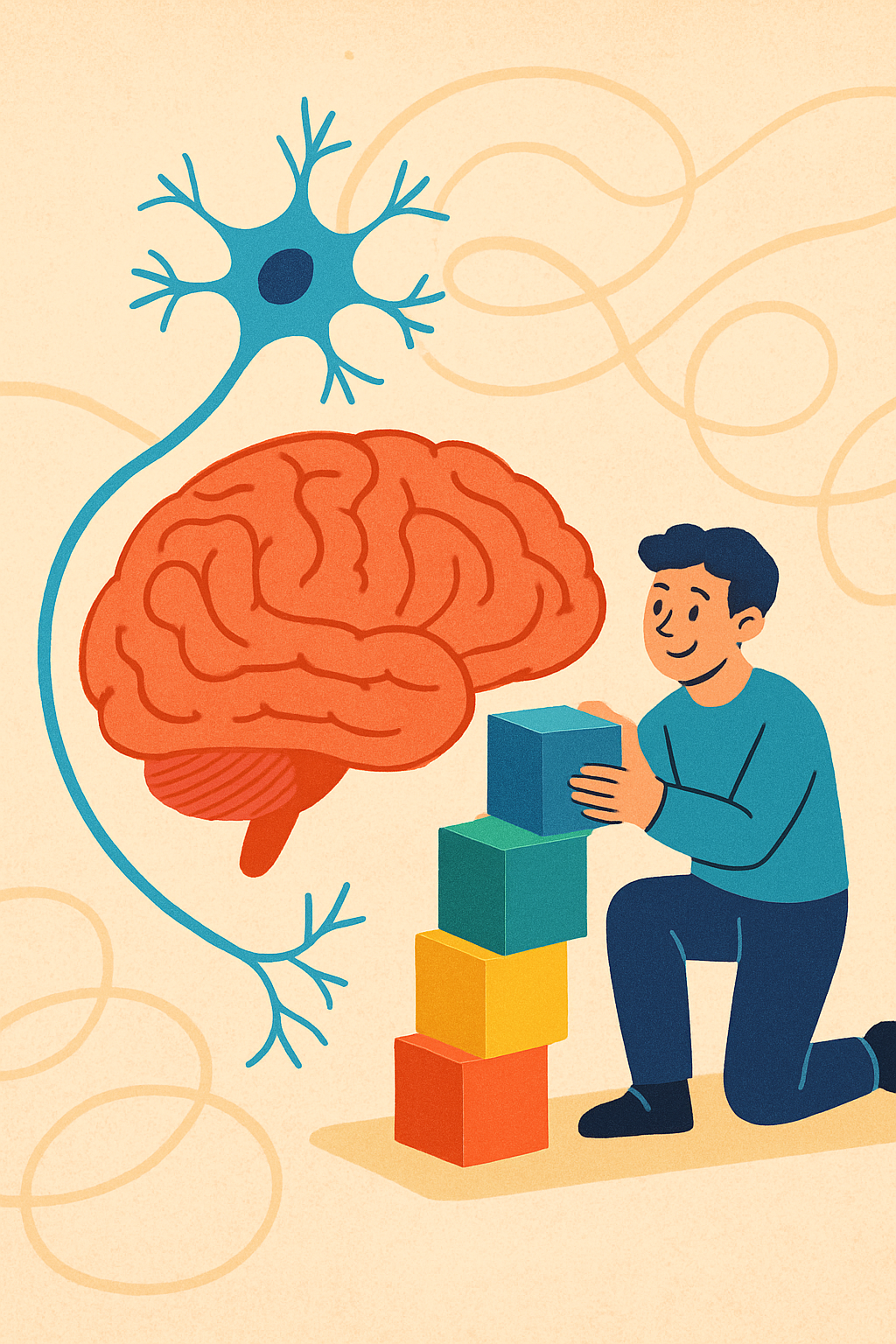
Many people struggle to build new habits because they attempt to rely on motivation alone. But reveals that the brain thrives on patterns, cues, and repetition—not willpower. When you attach a new behavior to an existing habit, you take advantage of neural pathways that are already strong and active. This makes habit formation smoother and more reliable.
Researchers explain that habits form through a loop involving a cue, a routine, and a reward. Habit stacking works because the existing habit naturally becomes the cue for the new behavior. This gives you a neurological shortcut, reducing friction and helping the brain encode the new action more quickly.
Understanding the neuroscience of habit stacking can help you transform overwhelming goals into simple, repeatable actions. By aligning behavior with how the brain naturally learns, you make it easier to stay consistent and build habits that actually last.
How the Brain Builds New Habits Through Association
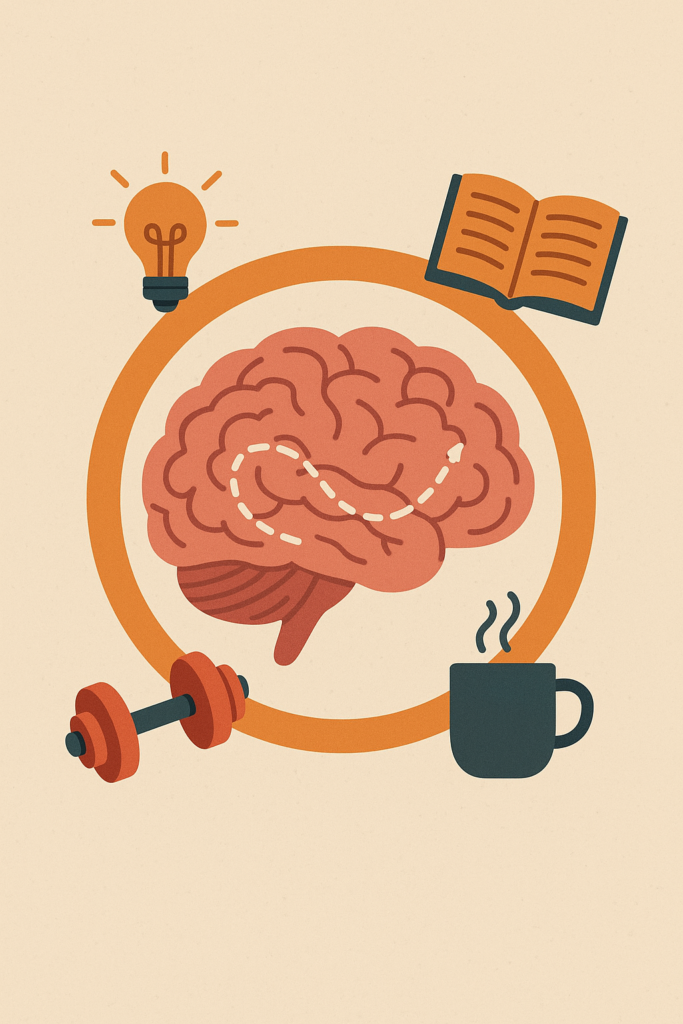
Neuroscience shows that the brain relies heavily on association to conserve energy and increase efficiency. When two behaviors consistently occur in sequence, the brain begins linking them together through associative learning. This is the neurological foundation of habit stacking and explains why it works so effectively. People searching for how habits become automatic are really exploring how the brain prefers predictable patterns. Clear habit stacking examples include brushing your teeth and then immediately doing a short stretch, or making coffee and reviewing a daily intention—one action naturally cues the next without requiring extra motivation.
Each time a stacked habit is repeated, the same neural circuits fire together, strengthening their connection through a process known as Hebbian learning (“neurons that fire together, wire together”). Over time, this reduces mental friction and decision fatigue, making the new behavior feel effortless rather than forced. Well-designed habit stacking examples take advantage of routines that already exist, allowing new habits to “ride along” established ones. This neurological efficiency is why habit stacking feels sustainable—it aligns with how the brain is already designed to learn, adapt, and automate behavior.
The Habit Loop: Cue, Behavior, Reward
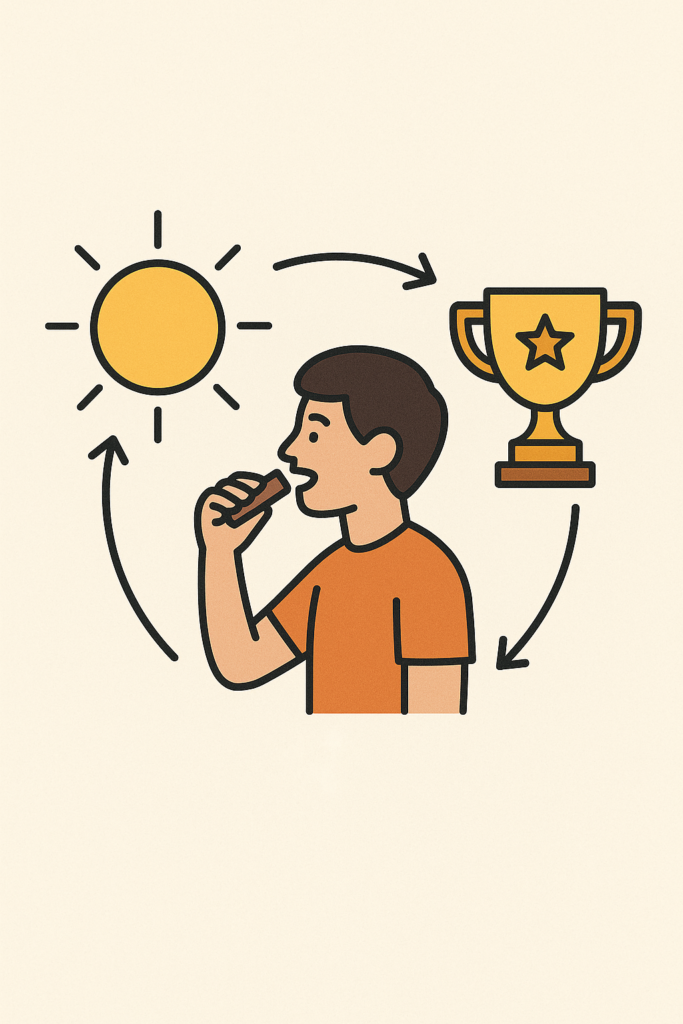
The habit loop plays a critical role in explaining why habit stacking is so neurologically effective, because stacking works by modifying the cue portion of the loop. Instead of trying to invent a brand-new trigger, habit stacking links a new behavior to an existing routine your brain already recognizes as familiar and reliable. This drastically lowers resistance and increases follow-through, since the cue is already ingrained. Common habit stacking examples include doing a short breathing exercise immediately after washing your hands or reviewing goals right after opening your laptop for the day—one action naturally signals the next.
Reward is just as important in reinforcing the loop. Even a small positive emotional response, such as a sense of accomplishment or calm, tells the brain that the new behavior is valuable. Over time, these micro-rewards strengthen neural pathways and solidify the stacked habit. When people look at effective habit stacking examples, the success often comes from pairing the new action with an immediate emotional benefit, making repetition feel satisfying rather than effortful.
Why Consistency Matters in Habit Stacking
Neuroscientists consistently emphasize that repetition and consistency are what strengthen synaptic connections in the brain. When behaviors are repeated at predictable intervals, neural pathways become more efficient, requiring less conscious effort over time. This is why neuroscience-based explanations of habit formation highlight daily repetition rather than intensity. Habit stacking works particularly well because it anchors new behaviors to routines that already occur consistently, giving the brain a reliable pattern to reinforce.
Consistency also prevents newly formed neural pathways from weakening or being replaced by competing behaviors. When a stacked habit is practiced daily, the brain interprets it as important and worth preserving. Over time, this stability allows the habit to become automatic rather than something that requires motivation or willpower. As a result, habit stacking becomes a sustainable strategy for long-term behavior change, aligning perfectly with how the brain naturally learns, adapts, and optimizes repeated actions.
How Habit Stacking Reduces Cognitive Load
Your brain is constantly trying to conserve energy. When a task feels unfamiliar, it requires more mental resources. But habit stacking reduces this cognitive load by embedding new actions into existing routines. This explains why many people find stacked habits easier to maintain.
Once the brain recognizes the stacked pattern, it transitions from conscious effort to automatic execution, freeing up mental space for more complex tasks.
Examples of Habit Stacking in Daily Life

A practical illustration of this process can be seen by adding a 60-second breathing exercise immediately after brushing your teeth. In this case, the established habit of brushing becomes the cue for the new action, allowing the brain to link the two behaviors seamlessly. Within a few weeks, the breathing exercise no longer feels like an extra task—it becomes part of the routine itself. These habit stacking examples demonstrate how the brain prefers efficiency, using familiar cues to reduce mental effort and increase consistency.
Another effective approach is writing one sentence in a journal right after making your morning coffee. Over time, your brain begins associating the sensory cues of coffee—the smell, warmth, and familiar movements—with reflection and focus. This association strengthens neural connections that support the new behavior, making it easier to repeat without conscious planning. Well-designed habit stacking examples like these show how linking actions at the neural level transforms small behaviors into automatic habits that stick.
Common Mistakes People Make With Habit Stacking
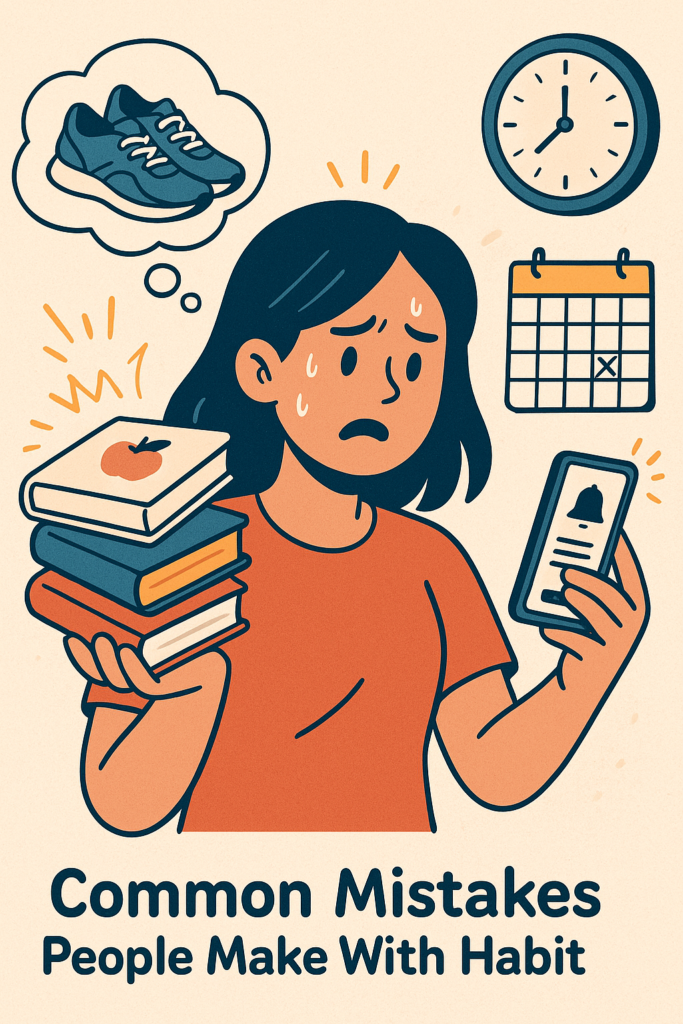
One mistake is choosing habits that are too large or complex. The neuroscience of habit stacking supports small, simple actions that are easy for the brain to encode. Large behaviors create resistance and disrupt the loop. Another mistake is stacking habits onto inconsistent routines. If the base habit does not occur daily, the stack will not take hold.
How to Use the Neuroscience of Habit Stacking (Guide)
If you’re looking for the neuroscience of habit stacking guide, start by identifying one strong, consistent habit you already do without thinking—such as waking up, showering, or eating breakfast. Attach a new habit that takes less than two minutes and requires minimal mental effort.
Over time, once the micro‑habit feels automatic, you can gradually increase intensity or duration without overwhelming the brain.
A Grounded Reflection on Habit Stacking and Behavioral Change
Understanding the neuroscience of habit stacking reveals a hopeful truth: meaningful change comes from small, steady actions rather than dramatic life overhauls. By aligning new behaviors with existing routines, you work with your brain rather than against it. This reduces internal resistance, increases consistency, and makes long‑term transformation feel attainable.
Habit stacking empowers you to reshape your daily life through intentional design. When you commit to tiny actions repeated over time, the brain gradually rewires itself to support the identity and outcomes you want to achieve.
Deeper Insights Into the Brain’s Habit Systems
To fully understand the neuroscience of habit stacking, it’s helpful to explore the deeper workings of the basal ganglia, the brain region responsible for automating behaviors. This area lights up when you repeat patterns, gradually transferring actions from conscious effort to automatic processes. Habit stacking accelerates this shift because the brain piggybacks the new behavior onto an existing automatic loop.
Dopamine also plays an important role in this process. Each time you complete a stacked habit, even if it’s tiny, your brain releases a small surge of dopamine. This chemical teaches your brain that the behavior is rewarding, reinforcing consistency. Over time, these micro-rewards strengthen the habit network, making the stacked routine feel natural instead of forced.
Real-World Examples of Habit Stacking That Work
Consider someone who wants to improve their emotional well-being. Instead of committing to a 20-minute meditation session, they stack a 30-second breathing exercise immediately after pouring their morning coffee. Because the coffee routine already exists, it serves as a reliable cue for the new behavior. Within a few weeks, the breathing practice feels effortless and automatic rather than forced. These habit stacking examples highlight how the brain responds more positively to small, well-timed actions than to large, disruptive changes.
The same principle applies to productivity. Someone who wants to build a journaling habit can stack a one-sentence reflection immediately after closing their laptop at the end of the workday. This predictable transition acts as a natural trigger, making the habit easier to maintain. Such habit stacking examples demonstrate the neuroscience of habit stacking by showing how consistent cues activate desired behaviors, reduce decision fatigue, and support long-term habit formation.
How long does it take for habit stacking to work?
The time it takes for habit stacking to work varies from person to person, but neuroscience provides a helpful framework for understanding the process. From the perspective of the neuroscience of habit stacking, the brain needs repeated exposure to the same cue–behavior sequence in order to form strong neural connections. Research on habit formation suggests that noticeable automaticity can begin to develop within a few weeks when a behavior is performed consistently. Because habit stacking relies on existing routines as cues, it often accelerates this process by reducing the effort required to remember or initiate the new habit.
That said, long-term stability takes more than just repetition—it requires consistency and emotional reinforcement. According to the neuroscience of habit stacking, behaviors become fully ingrained when the brain associates them with predictability and positive feedback. For some people, this can take 30 days; for others, it may take closer to 60 or 90 days, depending on complexity and consistency. The key is not speed but reliability. When stacked habits are practiced daily and tied to meaningful routines, they gradually shift from conscious effort to automatic behavior, making them easier to maintain over time.
A Practical Five‑Step Framework for Effective Habit Stacking
If you’re looking for the neuroscience of habit stacking guide, here is a reliable five‑step strategy rooted in behavioral psychology.
Step 1: Identify a solid, dependable habit you already perform consistently.
Step 2: Choose a micro‑habit that takes less than two minutes to complete.
Step 3: Stack the new behavior immediately before or after the existing habit to create a seamless sequence.
Step 4: Reinforce the behavior with a small reward or moment of acknowledgment.
Step 5: Gradually expand the habit only after the micro‑version becomes automatic. This approach helps the brain form long‑term, durable habit pathways without overwhelm.
A Grounded Reflection on Habit Stacking and Long‑Term Change
At its core, the neuroscience of habit stacking reveals that transformation doesn’t come from dramatic disruption but from small, intentional actions repeated consistently. When you design habits that align naturally with your existing routines, the brain supports—not resists—your efforts.
This grounded and science‑based approach allows you to build meaningful, sustainable change. Habit stacking becomes a partnership between your intentions and your brain’s biology, helping you grow steadily toward the identity and outcomes you want most.
Leave a Reply